UN reports climate-driven wildfires and heatwaves erode air
A UN report states that increases in wildfires and heatwaves, boost by climate change, are reversing air quality improvements.
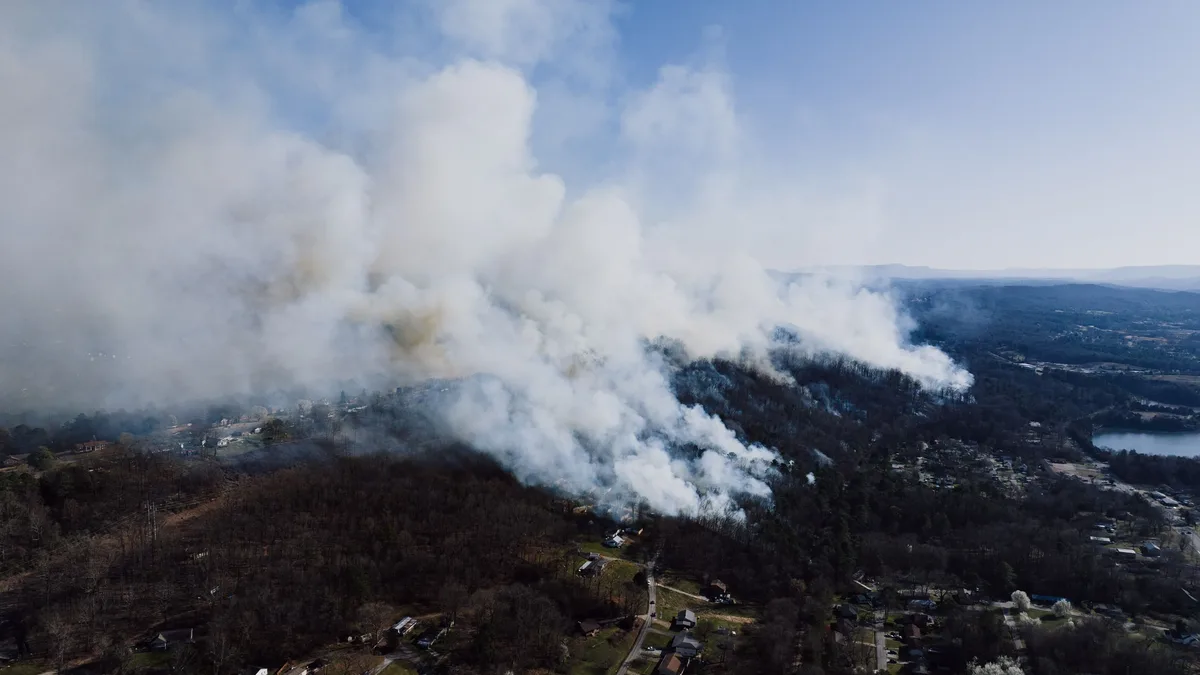
Heatwaves and wildfires, intensified by climate change, are undermining global progress on air quality. The World Meteorological Organization (WMO) issued this finding in its annual air quality and climate bulletin.
Regions that had successfully reduced pollution from vehicles and industry now face new threats. Smoke from increasing wildfires and ground-level ozone from prolonged heatwaves are degrading the air. This pollution, in turn, contributes to further climate change, creating a dangerous cycle.
Wildfire smoke poses urgent health threat
Extreme wildfires are becoming more frequent. Their smoke carries toxic fine particulate matter, known as PM2.5, and causes oxidative stress in the human body. The WMO report links this exposure directly to serious health outcomes.
It states exposure leads to increased asthma attacks, more hospitalisations for chronic lung disease, and spikes in respiratory medication use. Impacts on mental health and birth outcomes are also noted. One cited study estimates that a tripling of wildfires since the 1990s contributed to nearly 100,000 deaths annually between 2010 and 2018.
Heatwaves drive dangerous ozone pollution
Intense and prolonged heatwaves, like those seen recently in Europe, exacerbate ground-level ozone. "Ozone is a very powerful oxidant," said WMO scientific officer Lorenzo Labrador. "So once it gets to the lung, it essentially oxidises lung tissue and causes inflammation and circulatory problems, and eventually heart problems."
The report attributes roughly one in five deaths from chronic obstructive pulmonary disease (COPD) in heavily polluted regions to long-term ozone exposure. This pollutant forms when emissions from fuels and chemicals react in heat and sunlight.
Aerosols create a climate feedback loop
The microscopic PM2.5 particles are a severe health hazard. They are emitted by fossil fuel use, farming, heating, transport, wildfires, and dust storms. Once airborne, this mixture-called aerosol-also significantly affects the climate.
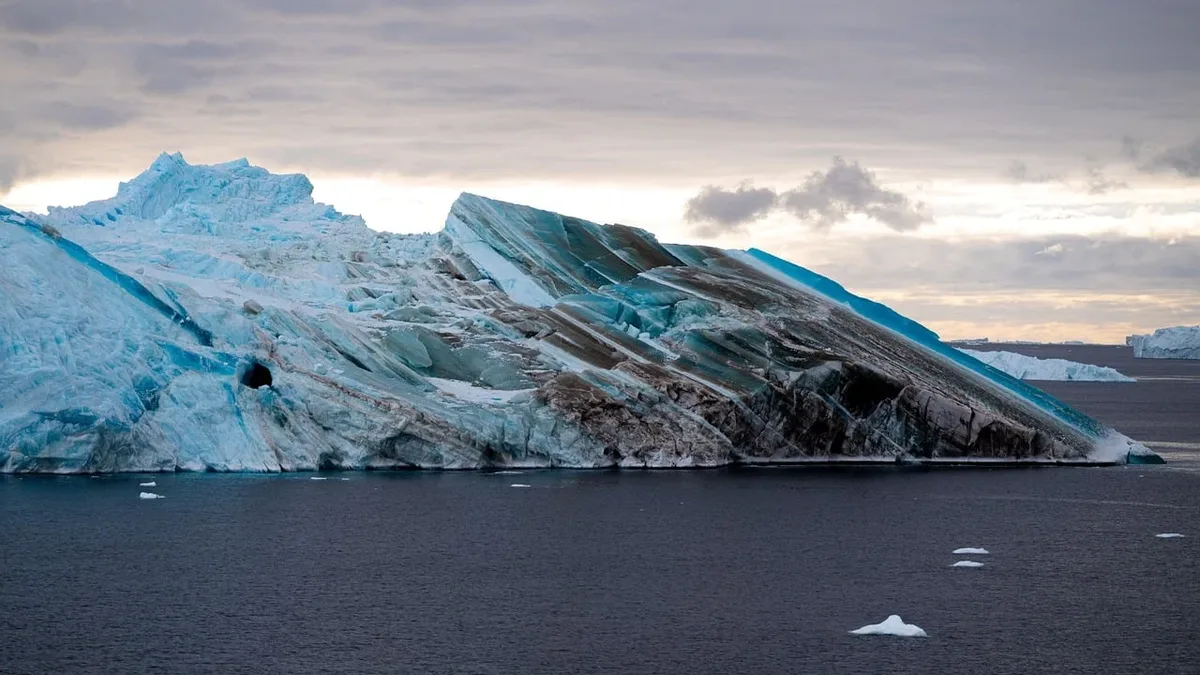
Aerosols can modify cloud properties and brightness, altering their impact on the planet's climate. Eventually, particles like black carbon, or soot, settle on snow and ice. This darkens surfaces, reducing their ability to reflect sunlight and accelerating ice melt and global heating.
The report explains this leads to a positive feedback loop. A warming climate increases fires and dust emissions. This enhances deposition on ice, accelerating melt, which in turn reinforces further warming.
Integrated solution needed
The WMO's core message is that climate and air quality must be tackled together. "Air quality and climate cannot be treated as separate subjects; they are deeply intertwined and have to be treated together," Labrador said.
He noted the solutions are aligned. Reducing greenhouse gas emissions also cuts the substances that degrade air quality. "And that leads me to the best solution that there is," Labrador said, "which is a general abatement of global greenhouse gas emissions and fossil fuel burning."