High Seas Treaty Surpasses 100 Parties, COP1 Set for 2027
The High Seas Treaty has entered force with over 100 parties, setting the stage for the first Conference of the Parties in January 2027 to establish marine
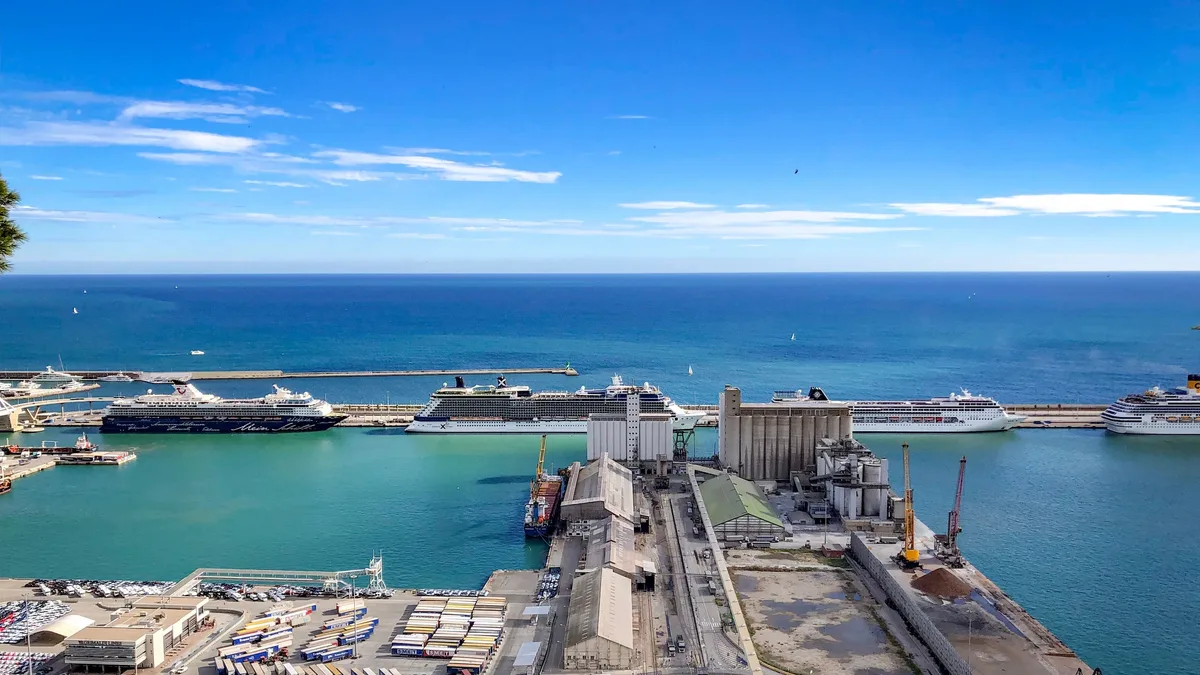
The High Seas Treaty has surpassed 100 parties following recent ratifications at the UN General Assembly, triggering its entry into force. Six countries-Germany, Papua New Guinea, Zimbabwe, Canada, Australia, and Brunei Darussalam-deposited their instruments this week. The treaty, which covers nearly half the planet's surface, entered into force last January after crossing the 60-ratification threshold. The first Conference of the Parties is scheduled for January 2027.
Only ratifying countries can vote and shape decisions under the treaty. Its membership spans every region of the world, including major maritime powers, small island states, and several landlocked countries. The High Seas Alliance noted that legitimacy, equity, and effective governance depend on continued growth in the number and diversity of parties.
COP1 to set framework for high seas protection
The first Conference of the Parties in January 2027 will focus on establishing the treaty’s institutional setup and operating rules. A key priority will be deciding on the location of the first high-seas marine protected areas. This treaty is the first legal framework for protecting biodiversity in areas beyond national jurisdiction, which cover roughly half of the planet.
It aims to establish highly and fully protected marine areas and set rigorous standards for environmental impact assessments. Treaty members will develop the first generation of high seas marine protected area proposals to help achieve a global goal of protecting 30% of oceans by 2030. Currently, only about 1% of the high seas is protected.
Parties stress need for inclusivity and action at COP1
Rebecca Hubbard, Director of the High Seas Alliance, said the treaty marks real momentum of the world uniting around ocean protection. She stated that more countries need to ratify to achieve equitable global ocean protection by 2030 and that parties must show up ready to engage at COP1 to turn support into real decisions.
Dr. Aristide Takoukam Kamla, President of the African Marine Conservation Organization, said African ratifications show the continent intends to help shape ocean governance. He argued that protected high seas mean healthier fisheries, thriving marine wildlife, and a more secure future for coastal communities in Central and West Africa.
Elle Lawless, Senior Ocean Campaigner at Greenpeace Australia Pacific, called on the Australian government to lead with ambition, science, and collaboration by championing multiple high seas open sanctuaries in the region. She suggested starting with a large sanctuary in the Tasman Sea between Australia and Aotearoa New Zealand.
Susanna Fuller, vice president for conservation and projects at Oceans North, said Canada’s ratification marks an important milestone. She added that further demonstrations of ambitious leadership should include support for developing countries and indigenous peoples.
Australia advances national ocean protection amid treaty engagement
Australia ratified the High Seas Treaty in March 2026, having been an initial signatory in 2023. The country's marine protected area system already covers 52% of its waters. Australia plans to increase the share of highly protected marine park zones by at least 30% by 2030.
Highly protected areas in Australian waters total 2.2 million km² and are growing. The government published its first sustainable ocean plan, outlining stewardship strategies developed with input from governments and interest groups. Anthony Albanese’s Government is committed to working with other treaty parties to protect marine areas.
Penny Wong, Australia’s Minister for Foreign Affairs, said: "Healthy oceans keep our economy strong and our food supply secure. They are the lifeblood of a sustainable future for every Australian." Minister for the Environment and Water Murray Watt also affirmed the commitment.
The treaty grants powers to manage shared marine resources, create protected areas, and conduct environmental impact assessments. China and Chile are contenders to host the secretariat of the High Seas Treaty. COP1 in January 2027 will agree on the institutional setup and operating rules for the treaty and decide on the location of the first high-seas marine protected areas.