Study finds 2021 flood deaths occurred
A new analysis of the 2021 European floods reveals that many of the 224 fatalities happened outside officially mapped extreme flood zones, highlighting
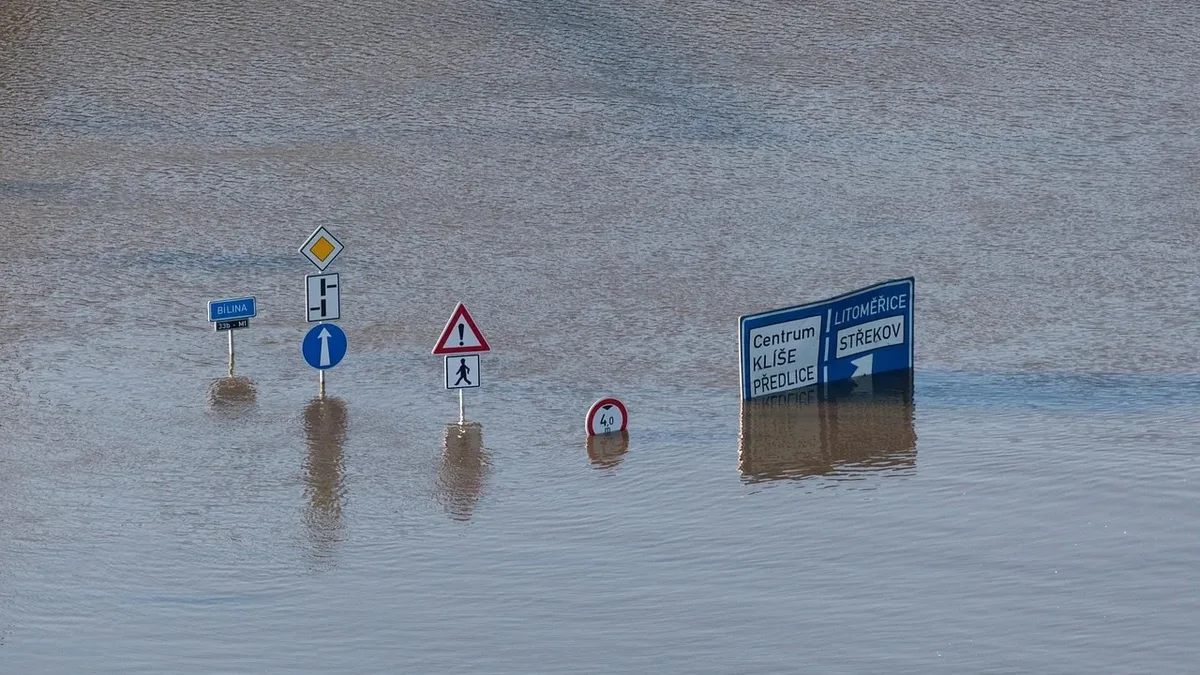
More than 200 people died in catastrophic floods across Germany and Belgium in July 2021. A new study published in the journal Earth's Future reveals that a significant proportion of these fatalities occurred outside the areas designated as high-risk on official flood hazard maps.
Researchers from the University of Potsdam, the Helmholtz Centre for Geosciences, the University of Louvain, and Johns Hopkins University analyzed the circumstances of 224 documented deaths. They used official records, media reports, and interviews with family members. Their findings point to systemic failures in how flood risks are mapped and communicated to the public.
Hazard maps failed to match reality
The analysis shows a stark mismatch between the actual flooded areas and the zones marked for extreme flood scenarios on official maps. In North Rhine-Westphalia, about 50% of the locations where victims died or were found were outside the mapped hazard zone. In Rhineland-Palatinate, that figure rose to 75%.
Lead author Annegret Thieken from the University of Potsdam stated that the available maps were insufficient to illustrate the real risks. The researchers argue that to improve accuracy, maps must incorporate data from historical floods or model worst-case scenarios.
Fatal behaviors and communication gaps
The study details how people died, revealing shortcomings in public guidance. In North Rhine-Westphalia, 14 people died while attempting to reduce damage, check pumps, or begin cleanup in their basements. According to Thieken, this points to deficiencies in communicating safe behavior during a flood event.
A total of 81 people across the three study regions died on the ground or upper floors of their homes, often apparently caught by surprise. The researchers note that these buildings should have been evacuated earlier, as staying indoors in a flooded zone is dangerous. Deaths also occurred from flooded or collapsed bridges and from vehicles being swept away.
The authors recommend that risk communication must clearly separate advice on damage reduction from instructions for saving lives. "Warning messages must clearly and timely communicate when evacuation from flood-prone areas is still possible and when it is no longer advisable," Thieken said. When evacuation is no longer safe, people should be told to move vertically to upper floors.
Vulnerable populations disproportionately affected
The data shows that older people bore the brunt of the disaster. Individuals over the age of 60 accounted for 72% of the fatalities across all three areas, a significant overrepresentation. In one tragic case in Rhineland-Palatinate, 12 people died in a flooded residential home for adults with mental disabilities.
"The circumstances of many fatalities in July 2021 demonstrate that evacuation strategies need more attention, especially to better protect older people, people with mobility impairments or people with underlying health conditions," Thieken explained. The study calls for a revision of the European Floods Directive to mandate better planning for worst-case scenarios in hazard mapping, risk management, and public communication.
The an urgent need to reform flood preparedness systems. It concludes that accurate maps and clear, timely warnings are essential to prevent future tragedies.