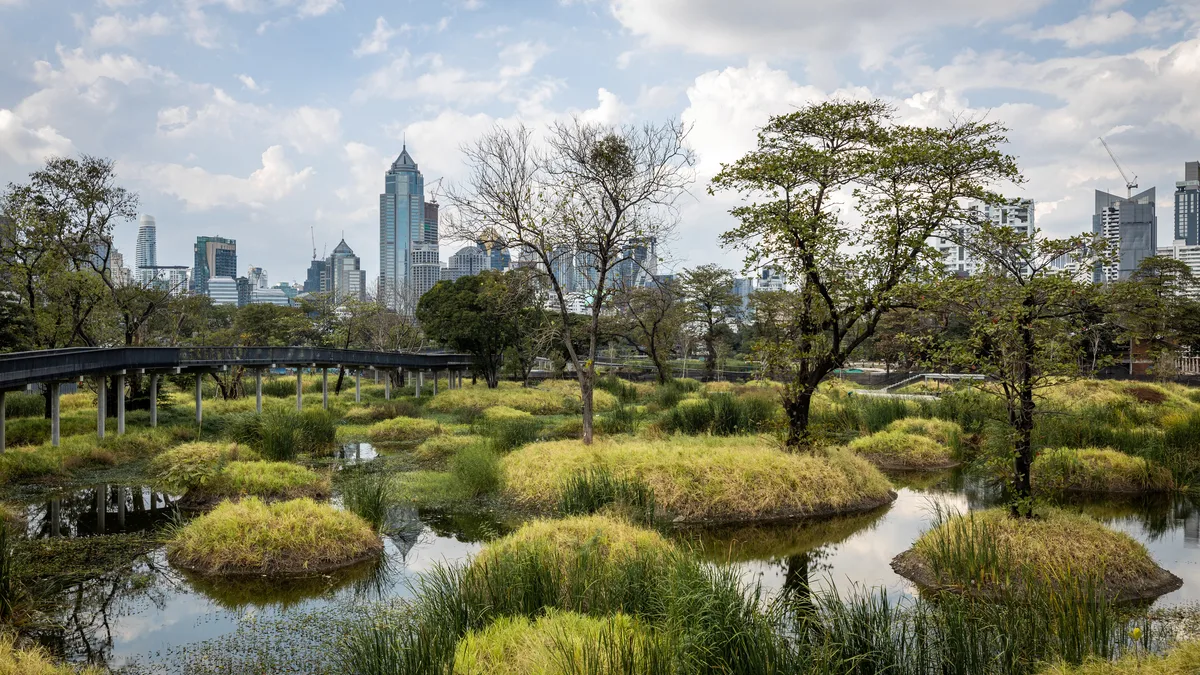
Urban Greening
| Ecosystem type | Human-made urban green infrastructure |
|---|---|
| Condition | Typically fragmented and managed |
| Protection regime | Municipal planning and conservation ordinances |
| Primary function | Stormwater management and heat island mitigation |
| Key components | Street trees, green roofs, parks, and permeable surfaces |
| Original use | Public health and civic beautification |
| Scale | Neighborhood to city-wide |
Origin and history
Urban greening as a formalized concept emerged from the environmental and planning movements in Europe and North America during the late 20th century. Its philosophical roots can be traced to earlier garden city ideals and public park movements of the 19th century. The term itself gained widespread institutional use in the 1990s as urban ecology became a distinct field of study. This period saw the codification of principles linking green infrastructure to specific municipal goals like stormwater management and heat island mitigation. The concept has since evolved from isolated beautification projects to a systemic approach integrated into urban planning and policy frameworks. Its adoption has been global, with significant adaptation and implementation across diverse cities worldwide.
What it is for
Urban greening serves to integrate natural systems and processes into the built environment to address specific urban challenges. Its primary functions include mitigating the urban heat island effect by providing shade and evaporative cooling. It is designed to manage stormwater runoff through features like bioswales and green roofs, reducing pressure on sewer systems and filtering pollutants. A core purpose is to enhance urban biodiversity by providing habitat corridors and refuges for flora and fauna within city landscapes. It also aims to improve public health and well-being by increasing access to green space, which is linked to mental health benefits and opportunities for physical activity. Furthermore, urban greening can contribute to carbon sequestration and improve local air quality by intercepting particulate matter.
Overview
Urban greening encompasses a wide range of practices, technologies, and design strategies that incorporate vegetation into cities. It includes both public and private initiatives, from large-scale municipal park networks to small-scale street tree plantings and private balcony gardens. The ecosystem is not limited to parks but extends to green roofs, living walls, permeable pavements, rain gardens, and the preservation of remnant natural areas. It operates across multiple scales, requiring coordination between landscape architecture, civil engineering, urban planning, ecology, and community engagement. The condition of this ecosystem varies dramatically between cities, influenced by historical land use, climate, governance, and ongoing maintenance commitments. Its protection relies on a combination of regulatory tools, such as tree protection ordinances and green space requirements in zoning codes, alongside incentive programs and sustained operational funding.
What to know
Successful urban greening requires understanding that it is a long-term infrastructure investment, not a one-time planting event. The selection of plant species must be based on local climate, soil conditions, and projected future climate scenarios to ensure resilience and reduce maintenance needs. A critical knowledge point is that the benefits of urban greening are often inequitably distributed, frequently favoring wealthier neighborhoods unless explicitly planned otherwise. The implementation often faces challenges from competing land-use priorities, such as housing density or transportation infrastructure, requiring careful spatial planning. It is essential to recognize that green infrastructure requires a dedicated maintenance regime; without it, systems fail, trees die, and public support wanes. The field is interdisciplinary, requiring collaboration between municipal departments that have traditionally operated in silos, such as parks, water, and transportation.
Common questions
A common question is whether urban greening significantly impacts air quality, to which the answer is that it can improve hyper-local air quality but is not a substitute for reducing emissions at the source. People often ask who is responsible for maintaining green infrastructure on private property or in public-rights-of-way, which typically involves complex agreements between municipalities, property owners, and sometimes community groups. Many inquire about the cost, which is highly variable but is increasingly justified through lifecycle cost-benefit analyses that account for stormwater, energy, and public health savings. A frequent question concerns the risk of trees damaging property or infrastructure, which is managed through proper species selection, professional planting techniques, and regular arboricultural care. Residents often want to know how to participate, which can include volunteering with local park groups, advocating for policy, or implementing greening on their own property. There is also considerable debate about the most effective types of greening, with the consensus being that a diverse portfolio tailored to site-specific constraints and goals is superior to a single solution.
Pros and cons
A significant advantage of urban greening is its multifunctionality, delivering environmental, social, and economic benefits from a single intervention. It can increase property values and commercial activity in greener neighborhoods, creating a tangible economic return. The cons include high initial capital costs and the ongoing, non-negotiable requirement for skilled maintenance, which cities often underestimate and underfund. A common mistake is the "plant and forget" approach, leading to high mortality rates in newly planted trees and the failure of engineered systems like rain gardens. Those who regret its implementation are often property owners burdened with unexpected maintenance costs or liability concerns, or municipal departments strained by added operational responsibilities. Furthermore, poorly planned greening can exacerbate social inequities if investments are concentrated only in already affluent areas, or if green spaces lead to gentrification and displacement of existing residents.
Who it suits
Urban greening suits municipalities with long-term planning horizons and the fiscal capacity to fund both installation and decades of maintenance. It is particularly suited to cities facing acute challenges such as combined sewer overflows, extreme heat events, or air quality issues, where green infrastructure can provide measurable relief. The approach suits interdisciplinary design teams and policymakers who can navigate the complexities of integrating natural systems into built environments. It is well-suited to communities with strong civic engagement and neighborhood associations that can provide stewardship and advocate for equitable distribution. Conversely, it is less suited to jurisdictions with severe short-term budget constraints, a lack of technical horticultural or engineering expertise, or a regulatory environment hostile to cross-departmental collaboration. Ultimately, it suits a planning philosophy that views urban ecology as essential public infrastructure, not merely aesthetic decoration.
Latest Urban Greening news
Latest reporting
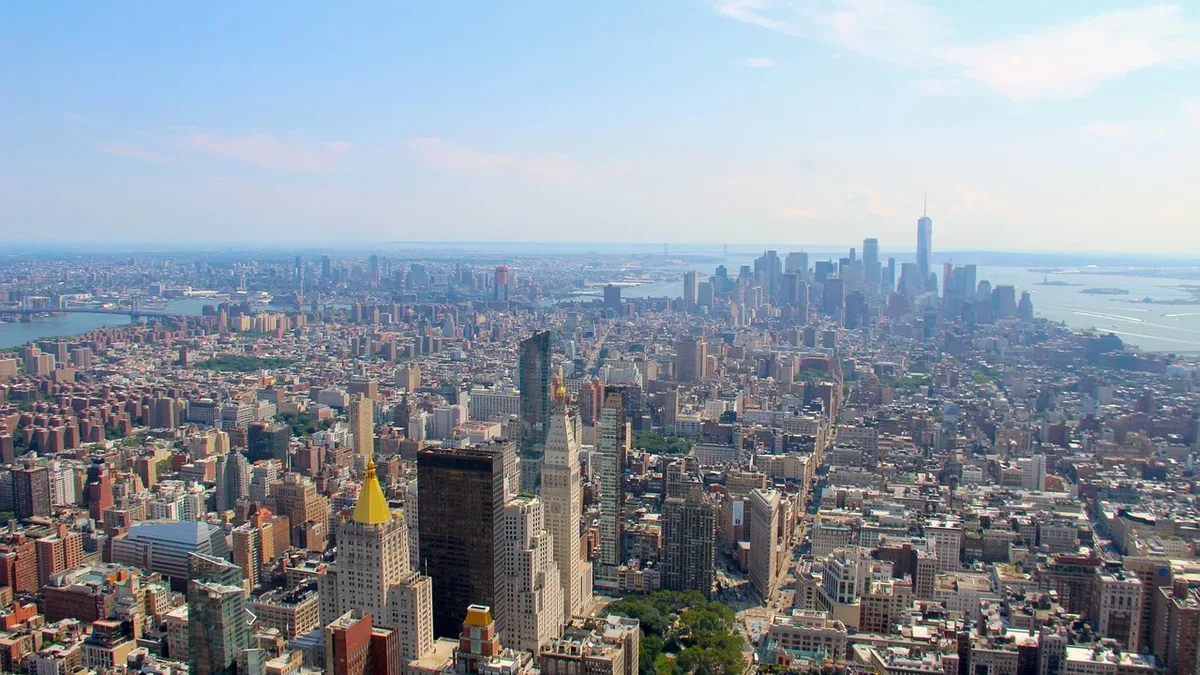
Global study reveals uneven urban land sinking rates
A new global analysis of satellite data shows major cities worldwide are sinking at vastly different rates, with parts of Mexico City and Bandung...

Urban beavers photograph from Olsztyn wins Rewilding Europe Award
A photograph of beavers thriving amid urban construction in Olsztyn, Poland, has won the 2026 Rewilding Europe Award.
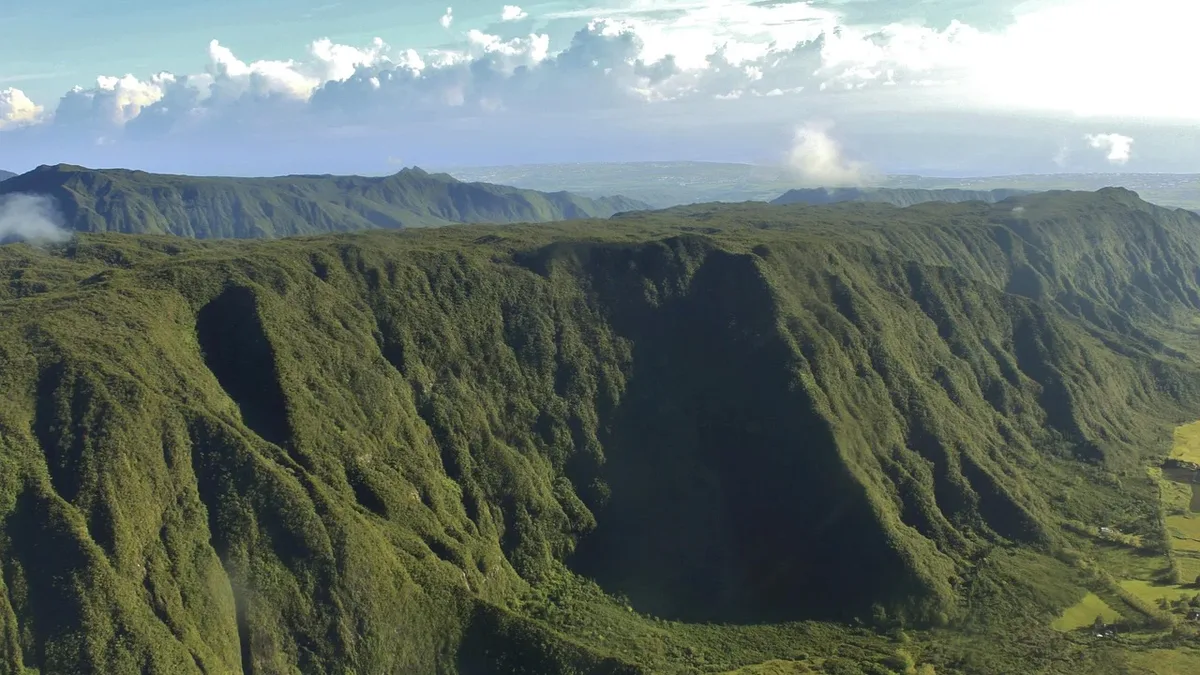
Alpine Zones Greening Across Northeastern North America
A 40-year satellite study reveals 69% of alpine zones in northeastern North America have significantly greened, driven by climate change.

AI tree species mapping boosts urban climate planning
Researchers have used AI to identify urban tree species from satellite and aerial imagery.
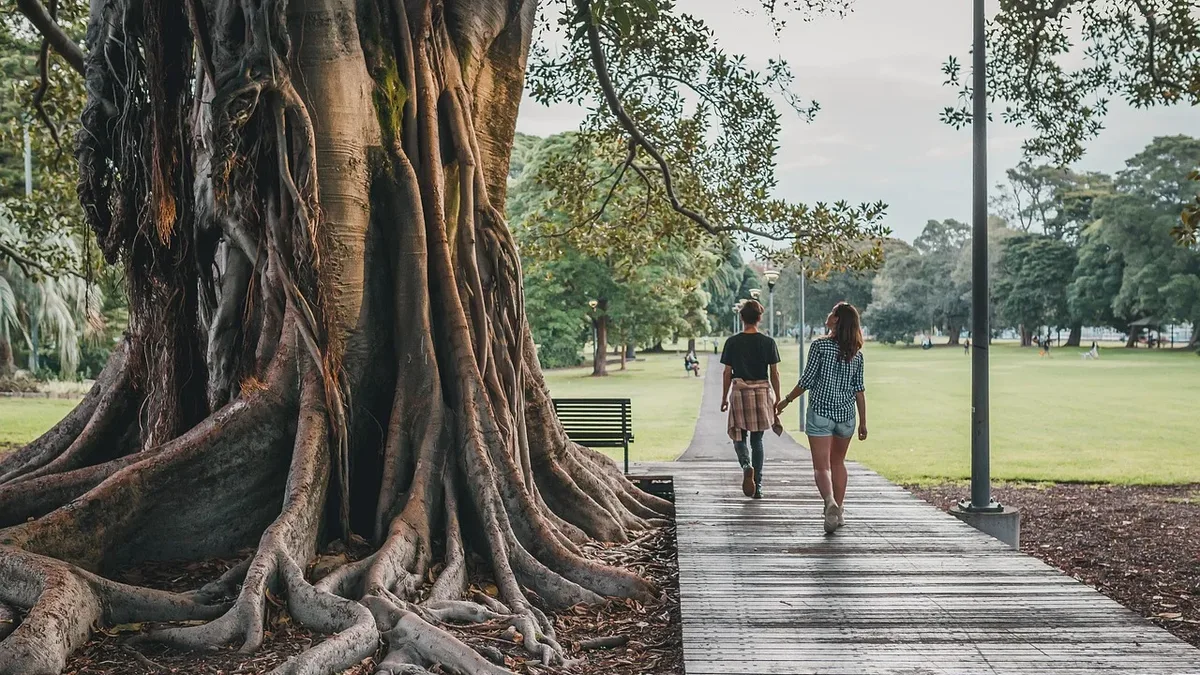
Northern Roots Eco-Park Opens in Greater Manchester
A 65-hectare former industrial site in Oldham has been transformed into the UK's largest urban farm and eco-park.
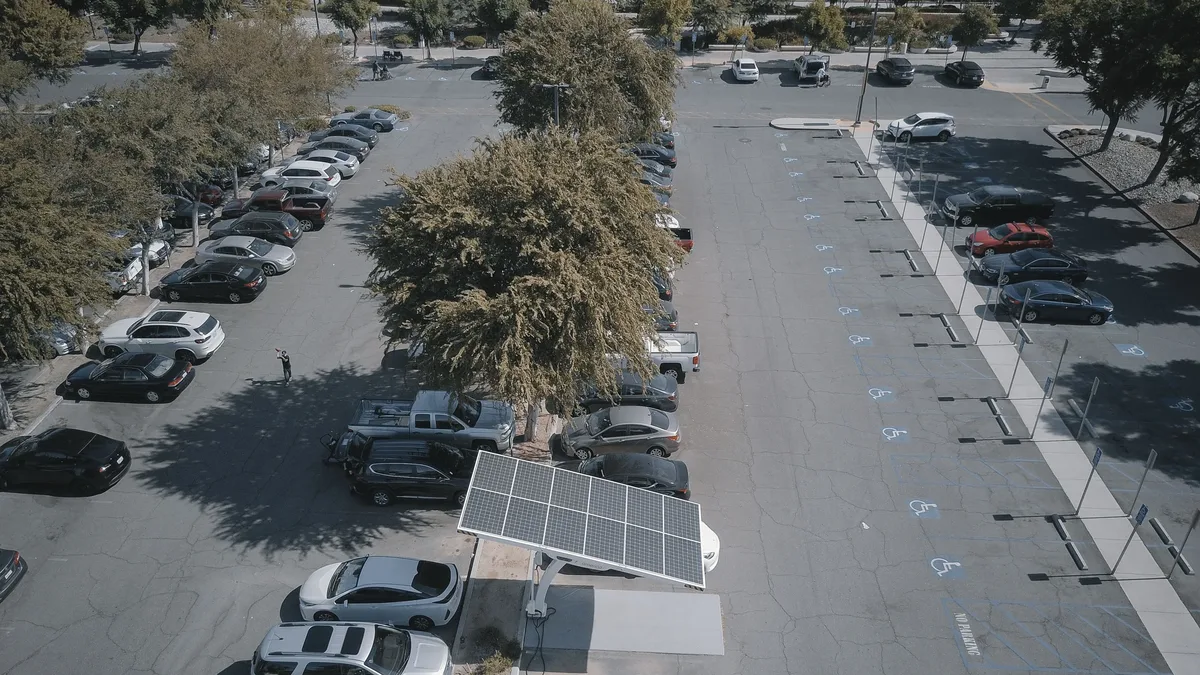
Architects convert car spaces into climate-cooling green spaces
The European Prize for Urban Public Space shortlist features five projects transforming roads and parking lots into green spaces and cooling areas.