Architects convert car spaces into climate
The European Prize for Urban Public Space shortlist features five projects transforming roads and parking lots into green spaces and cooling areas to help
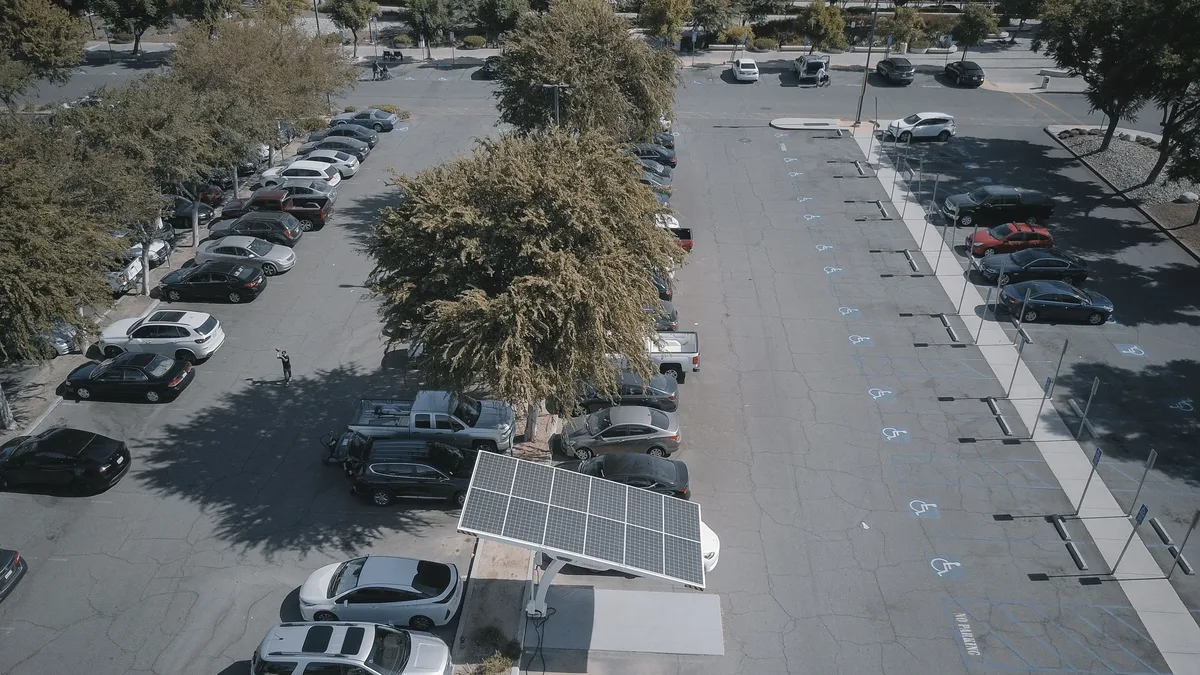
A European architecture prize has shortlisted five projects that turn car infrastructure into public spaces designed to combat climate crisis heat. The European Prize for Urban Public Space announced its finalists on Wednesday, highlighting conversions of roundabouts, thoroughfares, and parking lots.
Reclaiming lost spaces
One finalist is the Round About Baths in Logroño, Spain, a temporary structure built on a concrete traffic island. Swiss architect Leopold Banchini used uncut timber to create a shallow pool and steam room over a broken fountain for a week in June 2025. "We have given up so much public space to cars, and if you live in a city with kids you live in constant fear that they will be hit by a passing vehicle," Banchini said. He noted that permanent change is difficult due to strict traffic rules and political fears about voter backlash.
In Barcelona, the transformation of Plaça de les Glòries Catalanes was more lasting. Three major roads leading to a cloverleaf interchange were partly buried underground to create new open green space.
Building a climate-adaptive park
Antwerp's Zuidpark replaced a large free surface car park with an 800-meter green space. Bart Van Gassen of the architecture firm Tractebel stated the climate issue forced a completely new design approach for the park, which opened in 2024. The project excavated 70% of the area and added a 1.5-meter soil layer to accelerate plant growth.
Two years after opening, the park is lined by 500 new trees providing shade. Van Gassen said planting is "really booming," with trees larger than in decade-old projects. University of Antwerp research reportedly shows significantly lower temperatures inside the park compared to the surrounding city.
Managing water and cars
The park also addresses extreme rainfall with sunken "rain gardens" that collect water. These areas, filled with old bluestone and water-tolerant plants, have become popular children's play zones.
However, cars remain nearby. A new, non-free parking garage with 2,000 spaces sits under the park's northern and southern wings. Van Gassen acknowledged criticism over its central location but suggested the park might not have been built without accommodating vehicles.
Other shortlisted projects
The biennial prize shortlist also includes the Leça Green Corridor in northwest Portugal and Peace Park in Vicenza, Italy. The winner, selected by a consortium of seven European architecture institutions led by Barcelona's Centre de Cultura Contemporània, will be announced on October 15.