Northern Roots Eco-Park Opens in Greater Manchester
A 65-hectare former industrial site in Oldham has been transformed into the UK's largest urban farm and eco-park, featuring a new public facility and a
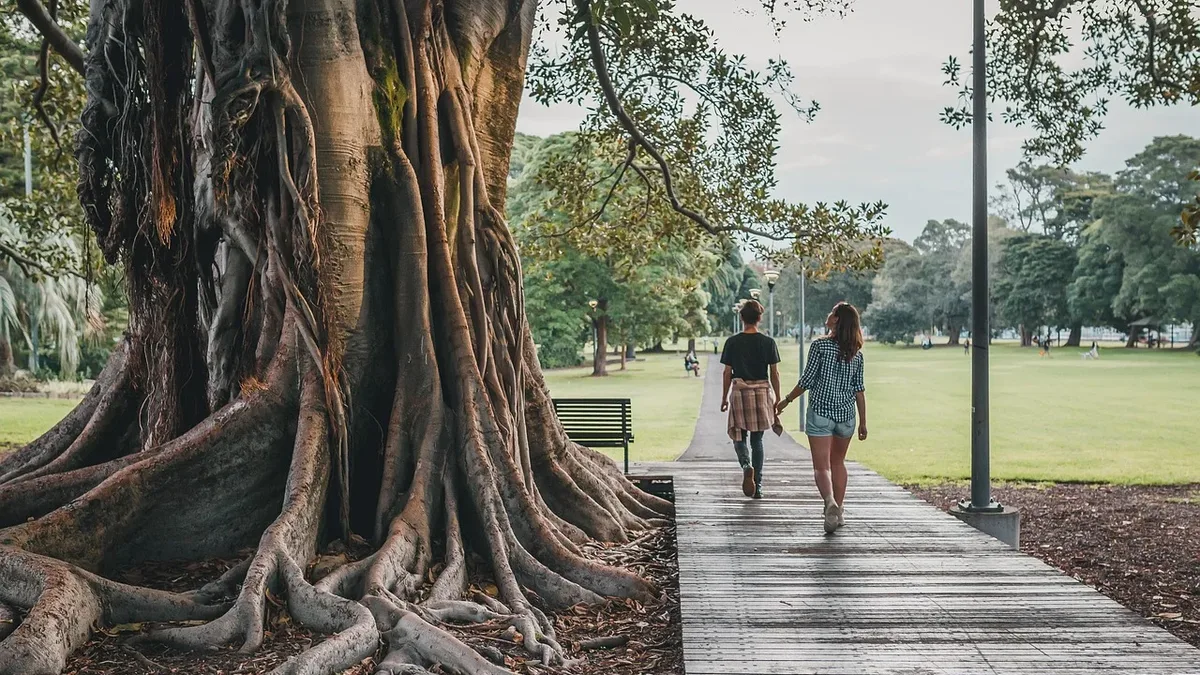
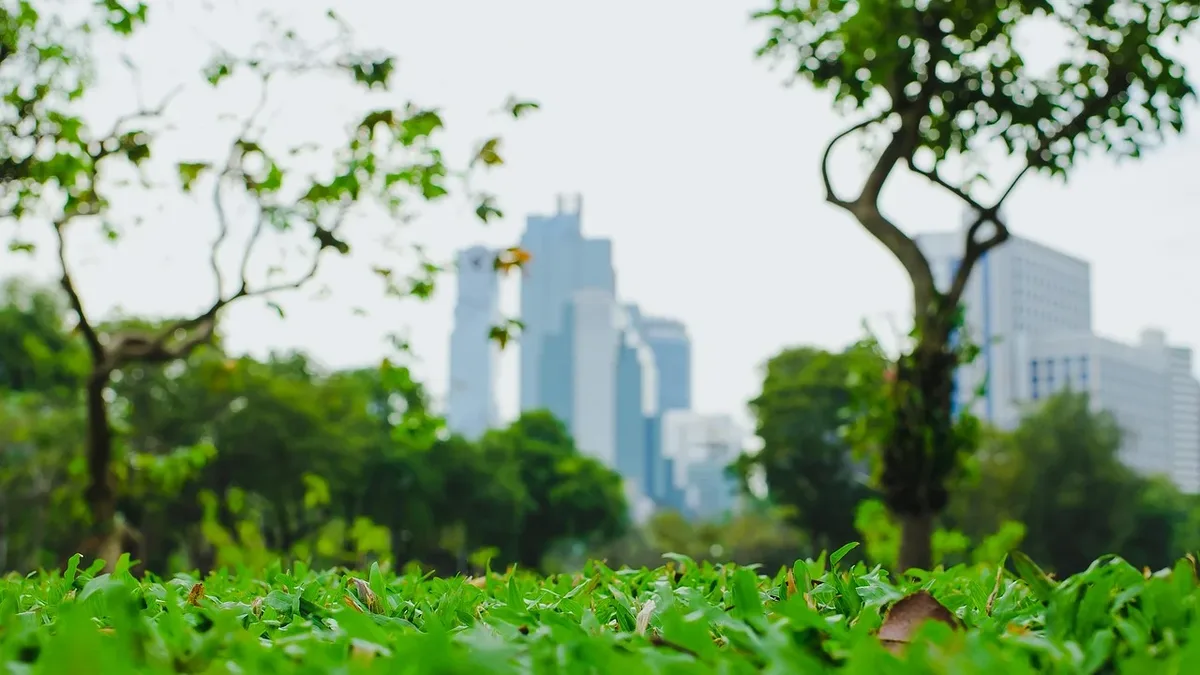
Northern Roots opens a new public facility on September 19, transforming 65 hectares of former industrial land in Oldham, Greater Manchester, into an urban farm and eco-park. The charity-run site, once home to cotton mills, coalmines, a railway, and a landfill, aims to become a model for repurposing urban green space as critical community infrastructure.
Anna da Silva, founder and chief executive of Northern Roots, said the project began with Oldham council wanting to see the land as an asset. "We wanted to look at what this land could do for Oldham, rather than simply seeing it as land that needed maintaining," she said. The council now works in a unique partnership with the charity.
A New Public Hub
The new facility opening this week includes a cafe, shop, production kitchen, performance space, forestry skills centre, outdoor play areas, and the urban farm. It is the centrepiece of seven activity programmes designed by the charity to appeal widely, covering farming and food, arts and culture, sports, business, and learning.
Da Silva said the hardest part is getting people to initially visit. Once they do, the project uses "participation pathways" to encourage continued engagement, aiming to unlock environmental, economic, and social benefits.
The Natural Health Service
A key programme is the Natural Health Service, commissioned by NHS England and launched as a pilot in 2023. Unlike green social prescribing focused on exercise, it emphasises intentional connection with nature through activities like foraging, bushcraft, or simply noticing the surroundings.
People might come in and they might be flustered, said community guardian Louise Gibbs. We really encourage people to slow down, to take that breath, to give themselves permission to spend this time on themselves.
Independent NHS research published in 2025 found participants improved their wellbeing scores by an average of 8.15 points on a standard scale. The project generated an estimated £4,940 in social value per participant.
Community Connection and Ownership
The site sits between two historically divided communities. Its outdoor setting is seen as key to making it a welcoming, democratic space. There's something really levelling and very democratic about doing things outside in nature, said community guardian Faiza Awan, adding it creates a sense of belonging.
Gibbs noted that because people are local, they feel more connected. It's giving the ownership to the community, she said. Both Awan and Gibbs, who grew up in the area, became involved as community champions and now serve as Natural Health Service guardians.
A Model for the Future
Northern Roots is intended as a replicable model. There are bits of land like this all over the place, said da Silva. They're seen as a problem.
The charity argues urban green space should be treated as critical infrastructure, like hospitals and schools. Da Silva calls it part of an arsenal of tools that can be used to address issues and support communities. The challenge is to secure investment. We need commissioners to invest in these spaces in the same way they would built infrastructure, she said, arguing modest investment can reduce pressure on other public services.
By 2030, Northern Roots aims to attract 300,000 annual visitors, dispense hundreds of Natural Health Service social prescriptions, and create employment and training opportunities. For da Silva, the ultimate value is changing the way people feel about a place, themselves and their place in that place. Gibbs sees the benefit in moments beyond metrics, like seeing someone's eyes light up when they say they haven't been out for years.