£3.6bn Tunnel Plan Aims to End Sewage in Lake Windermere
A £3.6 billion project proposes a 12-mile tunnel to stop sewage discharges into England's largest lake, Windermere, by 2035. The plan would connect 12,800 people to the sewage network for the first time.

A £3.6 billion plan has been proposed to end sewage discharges into Windermere, England’s largest lake. The project would build a 12-mile tunnel to transport waste away from the lake, connecting 12,800 people to proper sewage infrastructure for the first time.
The proposal, named Only Rainwater into Windermere, involves constructing a four-metre-wide tunnel and up to 86 miles of new sewage pipes. Treated effluent would be discharged into either the River Leven or the Irish Sea at Ulverston. The scheme is backed by water company United Utilities, the Environment Agency, and local campaigners. It aims to eliminate sewage pollution in the lake by 2035.
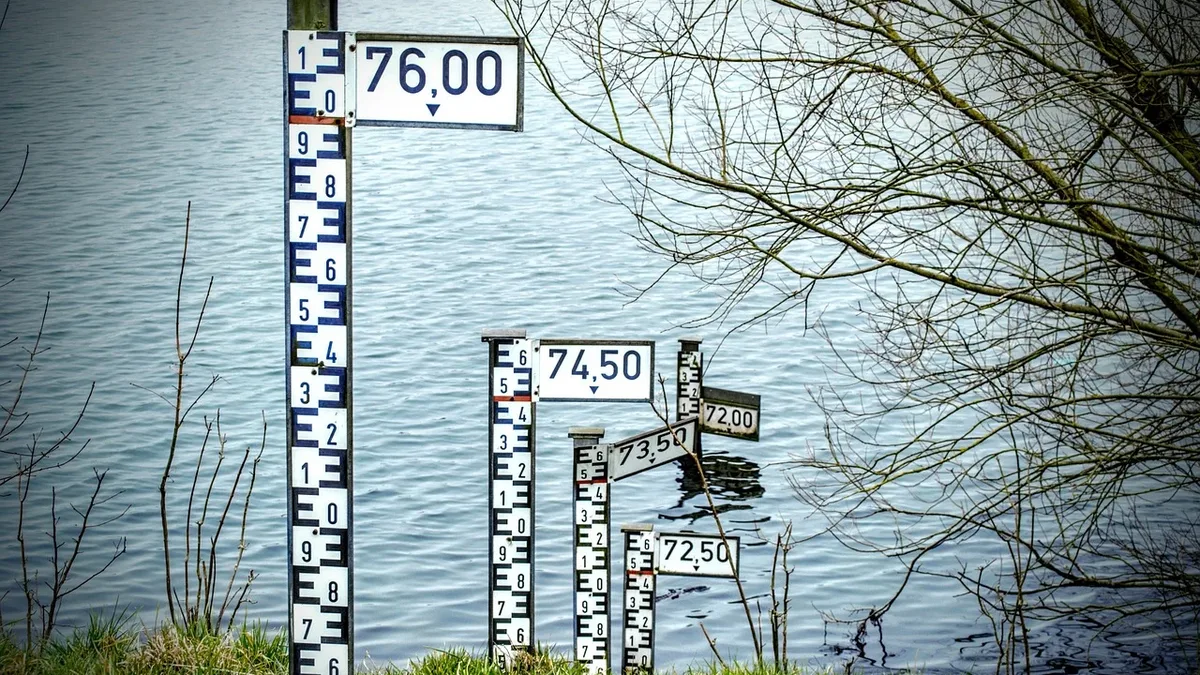
Windermere holds an estimated 300 billion litres of water. Water takes up to nine months to travel its length. The lake attracts close to 18 million visitors annually and is part of a Unesco World Heritage site, supporting a local visitor economy worth £2.4 billion per year. Campaigners say pollution has caused more frequent toxic blue-green algal blooms. The catchment area is also expected to face more intense rainfall due to climate change, increasing pressure on old wastewater systems.
Cost and Funding
The £3.6 billion project's funding is not yet settled. United Utilities plans to seek permission to raise customer bills by up to £3.17 per month in 2035 to cover the cost. An alternative option would spread the cost across all households in England, amounting to up to 35p per month.
The investment is estimated to generate around £7.5 billion in economic, environmental, and social benefits. This is equivalent to approximately £1.90 of value for every £1 invested.
| Funding Option | Proposed Monthly Charge |
|---|---|
| United Utilities customers | Up to £3.17 |
| All households in England | Up to 35p |
Timeline and Approval
The project now requires government approval to proceed. A detailed design phase will last two years. If approved, construction could be completed within seven years. Former environment minister Steve Reed pledged government support to eliminate sewage discharges into Windermere in March last year.
The Department for Environment, Food and Rural Affairs stated it shares the public’s determination to protect the lake but requires further work to assess alternatives. The feasibility report took 15 months to complete and involved weekly meetings. It drew inspiration from the successful cleanup of Lake Annecy in France during the 1950s.
Campaigner Response
Environmental campaigners have welcomed the proposal as a significant step. Matt Staniek, who has called for an end to sewage discharges into Windermere for over five years, called the announcement a milestone. He warned it is only the beginning. Matt Staniek said: "This has demonstrated that it is possible not to dump sewage in Lake Windermere."
United Utilities chief executive Louise Beardmore described the proposal as a ‘100 year solution for this lake’. Nigel Wilkinson, chair of Love Windermere, called the plan rightly ambitious. The project will use tunnelling techniques to minimise disruption. The government must decide whether to approve further development and justify the £3.6 billion price tag.