Europe's wild pollinators decline amid honeybee competition and climate change
A study covering 88% of bee and hover fly species across Europe found most wild bee species and about half of hover fly species have declined since 1921, with steepest drops in Atlantic and Continental regions. Research links declines to competition from managed honeybees and climate pressures, threatening food security as global biodiversity talks convene.
Most of Europe’s wild bee species and about half of its hover fly species have declined over the last century. Records since 1921 show more bee species are declining than increasing in all parts of Europe except the Alpine region, with biodiversity loss masked by apparently stable species counts. The data covers 88% of bee and hover fly species across Europe, revealing a persistent drop in species richness in the Atlantic and Continental regions. Wildlife is dying out at an unprecedented rate due to habitat destruction, pesticides, and climate change. Nearly 90% of wild flowering plants and more than three-quarters of major food crop types depend in part on animal pollination. The UN’s Food and Agriculture Organization has warned that pollinator decline threatens wildlife and weakens ecosystem resilience to climate change. Ainhoa Magrach said: "It confirms what has long been suspected: many pollinator species are losing populations, and the decline is not affecting all of them equally."
Cambridgeshire study reveals competitive exclusion mechanisms
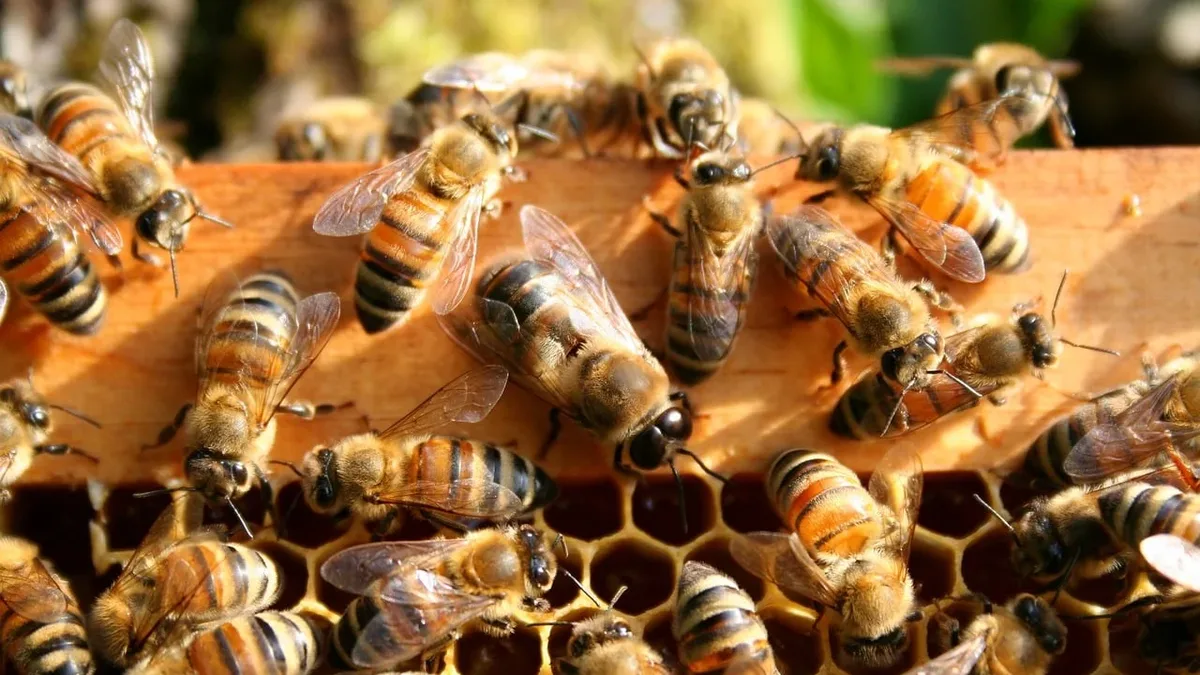
A two-year study observed pollinators in Cambridgeshire, documenting 300 interactions between five groups of flower visitors. The study, conducted by researchers from Anglia Ruskin University, found honeybees won most competitive interactions across both bramble and ivy plants. Honeybees were actively avoided by other flower visitors in 28.4% of interactions on bramble and 35.6% on ivy. In 20% of honeybee-won interactions, they displaced or chased other pollinators from flowers. The only pollinator observed displacing honeybees was the ivy bee, first recorded in the UK in 2001. The study identified 'interference competition' as the mechanism where honeybees directly attack or chase other pollinators. Victoria Buckle, lead author and PhD researcher at Anglia Ruskin University, stated honeybees' aggression is overt and purposeful.
Climate change amplifies pollinator competition and decline
Rising temperatures increase nectar competition and plant stress, accelerating pollinator displacement and population losses. Higher temperatures increased competitive interactions in the Cambridgeshire study, likely due to nectar drying up and plant heat stress. Mean summer temperatures in the UK are predicted to rise by up to 4C by 2080. The number of managed bees in the UK rose from 19,000 in 2010 to 47,000 in 2025. Bumblebees displaced other pollinators but likely unintentionally due to less coordinated movement. Some bee castes act as guard bees capable of showing threat and aggression to protect hives and brood. Carlos Martínez-Núñez said: "The fact that some species are increasing today does not mean they will remain winners as climate change and habitat loss intensify."
Global biodiversity targets face mounting pressure
Diplomats gathered in Yerevan for the 17th UN conference on biodiversity (Cop17) as governments have not met a single UN target on nature since the biodiversity convention was created in Rio in 1992. The Cop17 summit will focus on conservation, sustainable use of nature, and genetic resources. The decade’s targets include protecting 30% of land and sea, reforming $500bn of environmentally damaging subsidies, and restoring 30% of degraded ecosystems. The study's documentation of 300 pollinator interactions in Cambridgeshire establishes the baseline for understanding competitive exclusion dynamics.