Agricultural runoff drives toxic algal blooms across Europe
Intensive livestock farming and climate change are fueling widespread toxic algal blooms in European waters, triggering health alerts, beach closures, and ecological damage.
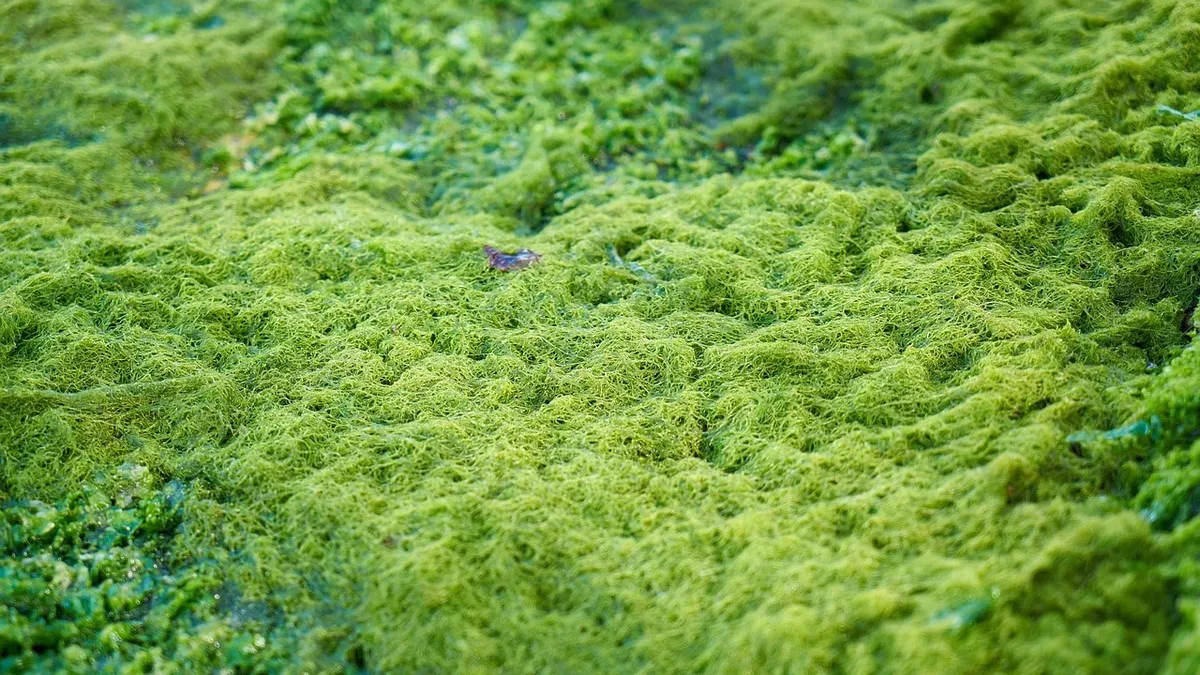
Agricultural runoff is driving dangerous algal blooms across Europe's waterways in 2026. Prolonged heatwaves have created stagnant, sun-baked conditions that fuel explosive growth when combined with pollution from intensive livestock operations.
Multiple European regions are experiencing severe algal blooms linked to this farming. In Brittany, 6.8 million pigs account for 58 percent of France's total pig population. The Mar Menor catchment in Spain houses nearly 700,000 animals across 305 pig farms. Northern Ireland has seen poultry numbers rise by a third since 2013 and pig numbers increase by 74 percent. Runoff from synthetic fertilizers and animal manure introduces nitrates and phosphorus into water systems.
Health and ecological impacts escalate
Toxic algal blooms are causing public health alerts, beach closures, and confirmed fatalities. Sea lettuce algae on Brittany's beaches has been linked to as many as six deaths since the 1980s. Health authorities in Rostock issued bathing alerts after confirming toxic blooms in the Baltic Sea. On Penfoul beach in summer 2025, E. coli detection led to a partial swimming ban. Shellfish farming in the Iberian Peninsula faces mandatory harvest closures due to algal toxicity.
Professor Friedhelm Taube states nutrient pollution must be slashed to limit algal growth. Jean Hascoet, a local resident, recalls the change. "I remember our beautiful beach before the pollution. Now, with thousands of pigs near our town, everything is different."
Scientific and regulatory responses emerge
Experts and agencies are mobilizing to address nutrient pollution through monitoring and policy initiatives. The environmental group BUND Schleswig-Holstein launched a citizen science project to collect water samples twice monthly. La Météo Bacterio app monitors bacteria in 20 rivers flowing onto Brittany beaches.
The Helsinki Commission (HELCOM) coordinates international agreements to reduce nutrient inputs in the Baltic Sea. It estimates agriculture accounts for up to 90 percent of nitrogen and 80 percent of phosphorus in the sea's nutrient runoff. Farmer protests across Europe have delayed or diluted environmental provisions in the Common Agricultural Policy (CAP).
One affected individual, Fina, has lost faith in the water's safety. "You'll never see me swimming in that water again," she said. Satellite detection of bloom extent will now guide targeted water sampling and policy interventions.