Europe's 2026 summer was third-warmest on record with widespread heat stress
Europe's summer of 2026 was its third-warmest on record and the hottest for western Europe.
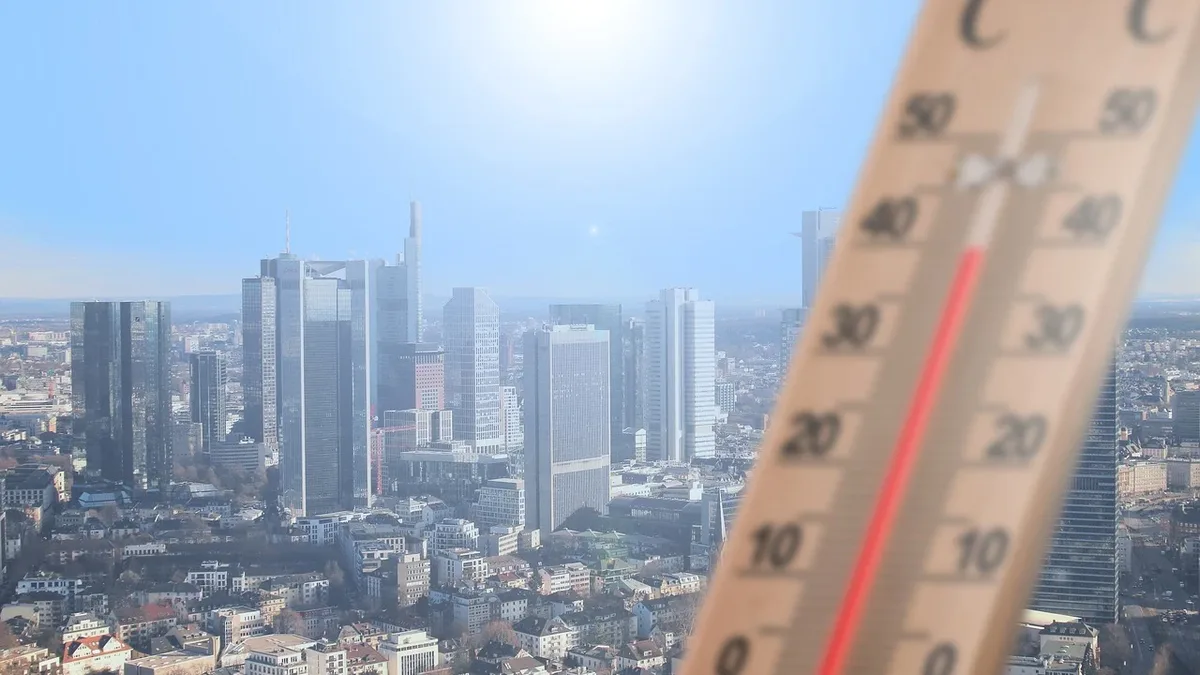
Europe's summer of 2026 was its third-warmest on record and the hottest for western Europe. A record 52% of the continent was exposed to 'very strong' heat stress, defined as feels-like temperatures above 38°C (100°F).
Several countries reported all-time temperature highs. Four of Europe's top ten heat waves occurred in that single season. Around 80% of Europe experienced 'strong' heat stress, with feels-like temperatures above 32°C (90°F). Strong heat stress conditions occurred on a record 41 days by the season's end. Samantha Burgess, climate lead at the European Centre for Medium-Range Weather Forecasts, said: "Summer 2026 demonstrated how heat stress is becoming both more widespread and more persistent."
Drought and low river flows disrupt ecosystems and industry
Drought affected almost half of Europe by the end of August 2026. The dry conditions led to the lowest river flows since records began in 1992. Europe's riverbeds had not been this dry in thirty years.
These low flows caused widespread disruptions. Freight transport and supply chains were hampered. Irrigation for agriculture, cooling for nuclear reactors, and hydroelectric power generation were all impacted. Freshwater availability was also strained.
Impacts on health, wildfires, and energy security
Heat stress occurs when the body's natural cooling systems are overwhelmed. Symptoms range from dizziness and headaches to organ failure and death. It was the leading cause of weather-related mortality globally in 2026.
Wildfire activity was intense, particularly in Spain and France. The area burnt across the European Union by September was nearly double the 2006-2025 average for that period. Emissions from wildfires towards the end of summer ranked among the ten highest since 2003. Authorities warned of significant risks to life and property from an exceptionally active fire season.
In Western Europe, the number of days with very strong thermal stress reached a record 13 days. The climate service highlighted the close link between climate change and threats to energy security, especially from the loss of cooling water for power plants.
Climate context and source of findings
The findings were compiled by the Copernicus Climate Change Service, supported by data from its Emergency Management Service and the European Centre for Medium-Range Weather Forecasts. The summer of 2026 was notable for multiple climate records occurring together across the climate system.
Drought conditions have been increasing over the last 45 years in Europe. While August 2003 remains the single most severe heat wave on record, the summer of 2026 set new benchmarks for the persistence and geographical spread of extreme heat. The data shows a shift toward persistent, systemic threats to Europe's environment and infrastructure.