Oyster reef restoration could yield $12 trillion in annual value
A new study finds that restoring oyster reefs across ten key countries could generate $12 trillion per year in ecosystem services, but 90% of suitable sites need restoration.
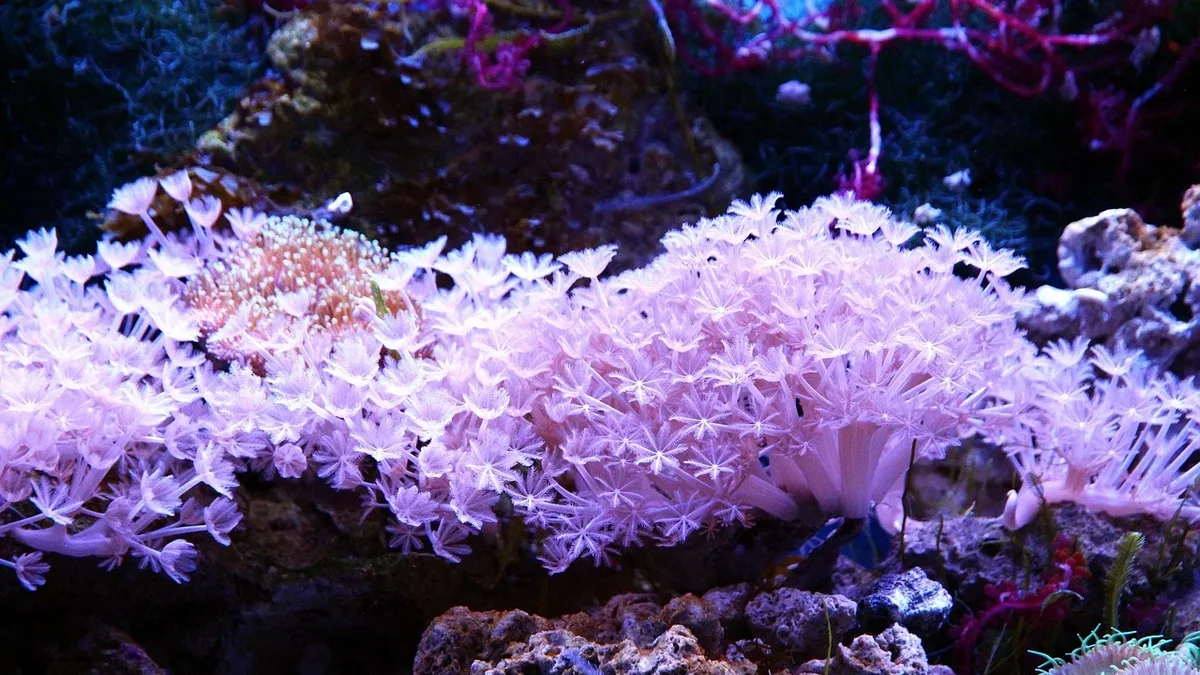
Restoring oyster reefs across just ten countries could unlock $12 trillion in annual ecosystem value. A study published in Frontiers in Marine Science in 2026 used machine learning to map the potential, identifying a vast gap between current and possible benefits.
Dr. Matteo Convertino, an associate professor at Tsinghua University and the study's corresponding author, led the research. The team analyzed public databases of geotagged oyster reef records. Their algorithm predicted habitat suitability based on factors like water temperature, salinity, and nutrient levels. Areas scoring 65% or higher were deemed suitable for reefs.
Massive scale of suitable habitat identified
Nearly 295,000 square kilometers of coastal zones in the top ten hotspot countries are suitable for oyster reefs. This area represents 6% of these nations' total coastal zones. The top countries are the United States, Australia, Chile, China, Japan, South Korea, Argentina, France, Germany, and Italy.
Currently, oyster reefs occupy only 10% of this suitable area. They are found mainly in lagoons, bays, estuaries, and river deltas. An estimated 85% of oyster reefs worldwide have been lost over the past century, especially in these sensitive coastal environments.
Restoration could yield trillions in ecosystem value
Fully restored reefs across the suitable area could sequester up to 12.3 million metric tons of carbon annually. They would also filter colossal volumes of water. The study's central finding is the staggering gross ecosystem product (GEP) potential. Dr. Matteo Convertino said: "Here we estimate that fully restored oyster reefs in the top 10 hotspot countries worldwide would yield a GEP of $12 trillion."
The water filtration capacity for the top three countries by volume is immense:
| Country | Annual Water Filtration Potential |
|---|---|
| U.S. | 77.58 quadrillion liters |
| Australia | 69.92 quadrillion liters |
| Chile | 46.58 quadrillion liters |
In the United States alone, the combined annual value from nitrogen removal, carbon sequestration, and water purification was estimated at $25.1 billion. The authors caution that global warming may decrease habitat quality, potentially reducing the global GEP from the current $12 trillion projection.
Urgent need for restoration and protection
The study reveals a major shortfall in current conservation efforts. Only 23% of the suitable coastal area in these ten countries is under any form of marine protection. The authors calculated that the vast majority of potential sites are not yet functional.
Dr. Matteo Convertino said: "We estimated that 90% of sites suitable for oyster reefs require restoration, while 80% need protection through conservation efforts." The research aligns with the UN's Sustainable Development Goal for 'Life below water,' which calls for conservation and sustainable use of marine resources. The authors rated each location's 'ecopotential' by combining its habitat suitability score with its potential ecosystem service value. Their estimates are based on global averages and could be affected by future changes in oyster populations or the climate crisis.
To realize this potential, 90% of sites suitable for oyster reefs would require restoration and 80% would need protection through conservation efforts.