Wetlands International
| Founded | 1954 |
|---|---|
| Headquarters | Wageningen, Netherlands |
| Primary focus | Wetland conservation and restoration |
| Geographic scope | Global (operates in over 100 countries) |
| Key activities | Science-based advocacy, field projects, capacity building |
| Governing body | Supervisory Council (Board) |
| Members | Network of independent offices and partners |
Overview
Wetlands International is a global non-profit organisation dedicated to the conservation and restoration of wetlands. Its mission is to sustain and restore wetlands, their resources, and biodiversity for future generations. The organisation operates through a network of offices and partners in over 100 countries, focusing on practical field projects, scientific research, and advocacy. It works across all major wetland types, including marshes, rivers, lakes, deltas, and coastal mangroves. The core of its work involves collaborating with local communities, governments, and other NGOs to implement sustainable solutions. Its expertise is widely recognized in international environmental policy circles, particularly concerning water management and biodiversity.
History
Wetlands International originated from the merger of several regional wetland conservation groups in the late 20th century. Its earliest roots lie in the International Waterfowl and Wetlands Research Bureau (IWRB), which was founded in the 1950s in Europe. This was followed by the establishment of the Asian Wetland Bureau in the 1980s and Wetlands for the Americas in the 1990s. These three entities formally merged in the 1990s to create the single global organisation known today as Wetlands International. The consolidation was driven by the need for a unified voice and coordinated strategy for wetland conservation worldwide. The organisation's founding reflects a long-standing scientific and conservation interest in waterfowl as indicators of wetland health. Its evolution mirrors the growing international understanding of wetlands as critical ecosystems beyond just bird habitats.
How it works today
The organisation functions through a decentralised network of national offices and expert staff who implement programmes at local, national, and regional scales. Its work is grounded in science, conducting and synthesising research to inform wetland management and policy positions. A major operational focus is on-site restoration projects, such as re-flooding drained peatlands or rehabilitating mangrove coasts, often in partnership with local communities. It actively engages in global policy fora, advocating for wetland considerations in international agreements on climate change, biodiversity, and water. The organisation also develops and promotes practical tools and guidelines for wetland inventory, assessment, and wise use. Funding is derived from governmental development agencies, institutional donors, and foundations, which supports its project-based and advocacy work.
Why it matters
Wetlands are among the world's most productive and biologically diverse ecosystems, providing services critical to human well-being and planetary health. They act as natural water filters, improving water quality by trapping pollutants and excess nutrients. Coastal wetlands, such as mangroves and salt marshes, provide vital buffers against storm surges and sea-level rise, protecting millions of people. Inland wetlands regulate water flow, reducing flood risks and replenishing groundwater supplies. Peatlands, despite covering only a small percentage of the Earth's land surface, store vast amounts of carbon, and their degradation releases significant greenhouse gases. The loss of wetlands globally is occurring at a rate faster than that of forests, making focused conservation action urgently necessary to maintain these essential functions.
Common misconceptions
A common misconception is that wetlands are merely wastelands or stagnant swamps with little value, a view that has historically justified their widespread drainage and conversion. In reality, they are dynamic, highly productive systems that support fisheries, agriculture, and water supplies. Another error is assuming all wetland conservation is solely about protecting birds; while waterfowl are important indicators, the work encompasses entire ecosystems and the human communities that depend on them. Some believe wetland restoration is simply about adding water, but successful projects require careful hydrological understanding, community engagement, and long-term management plans. There is also a misconception that protecting wetlands inherently conflicts with development, whereas integrated "wise use" approaches can provide economic benefits through sustainable use. Finally, it is not solely a concern for humid regions; arid and semi-arid zones contain critical wetlands like oases and seasonal marshes that are equally vital.
Latest Wetlands International news
Latest reporting

COP31 to prioritize wetlands as climate solutions
COP31 in Antalya will focus on integrating wetlands into national climate strategies, the Global Goal on Adaptation, and the second Global Stocktake...

Lula's Fourth Term Offers Pivotal Chance to Halt Amazon Deforestation
Luiz Inácio Lula da Silva's re-election to a historic fourth term as Brazilian president creates a critical window to achieve zero Amazon...
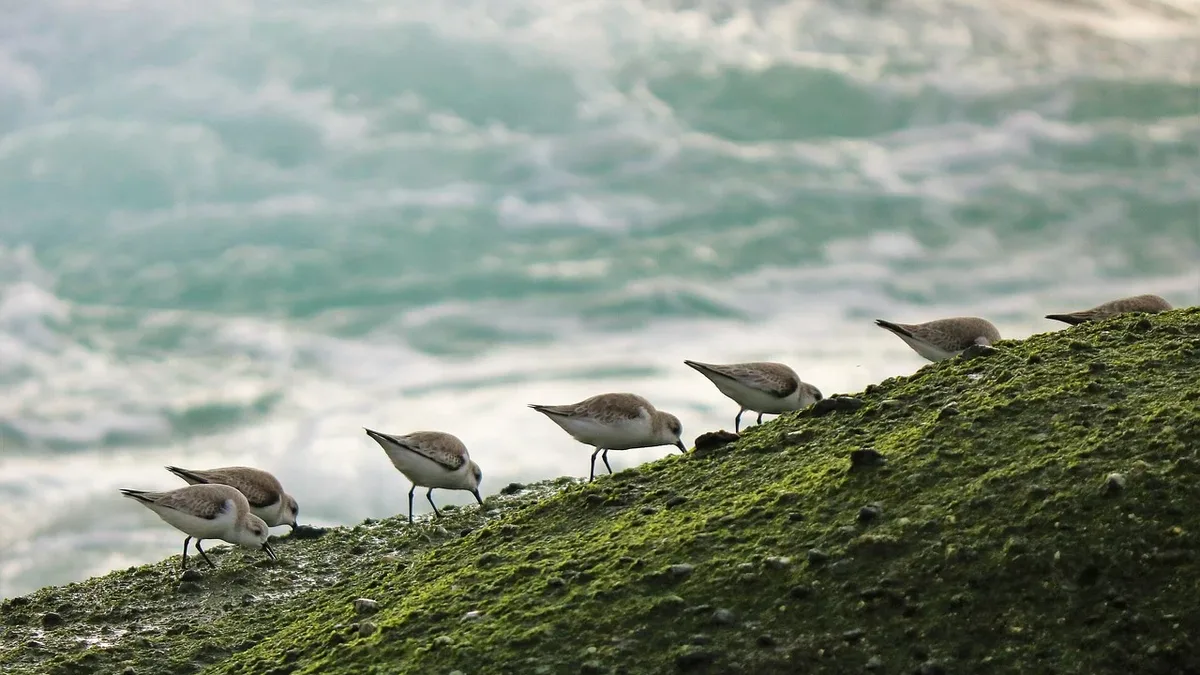
Migratory Bird Declines Signal Global Ecosystem Crisis
A BirdLife International report reveals 45% of migratory bird species are in decline, with 54% of shorebirds in steepest drop.
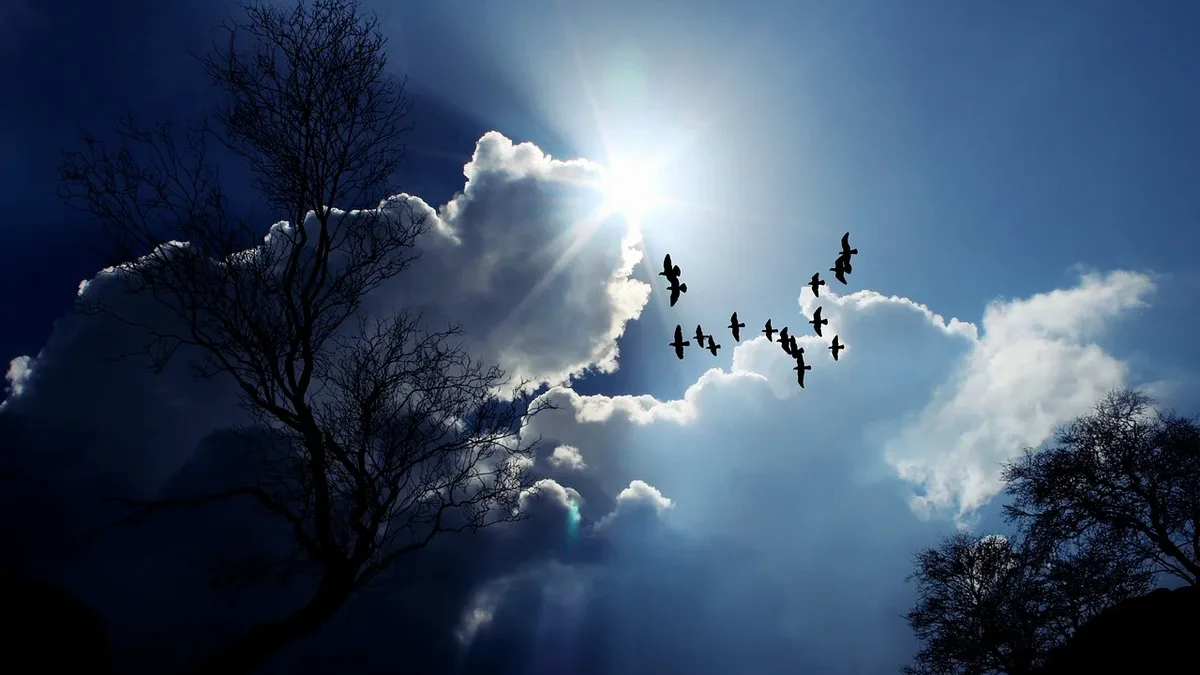
One in nine migratory birds face extinction
A BirdLife International report reveals 11% of migratory birds are threatened with extinction, with 45% in decline.
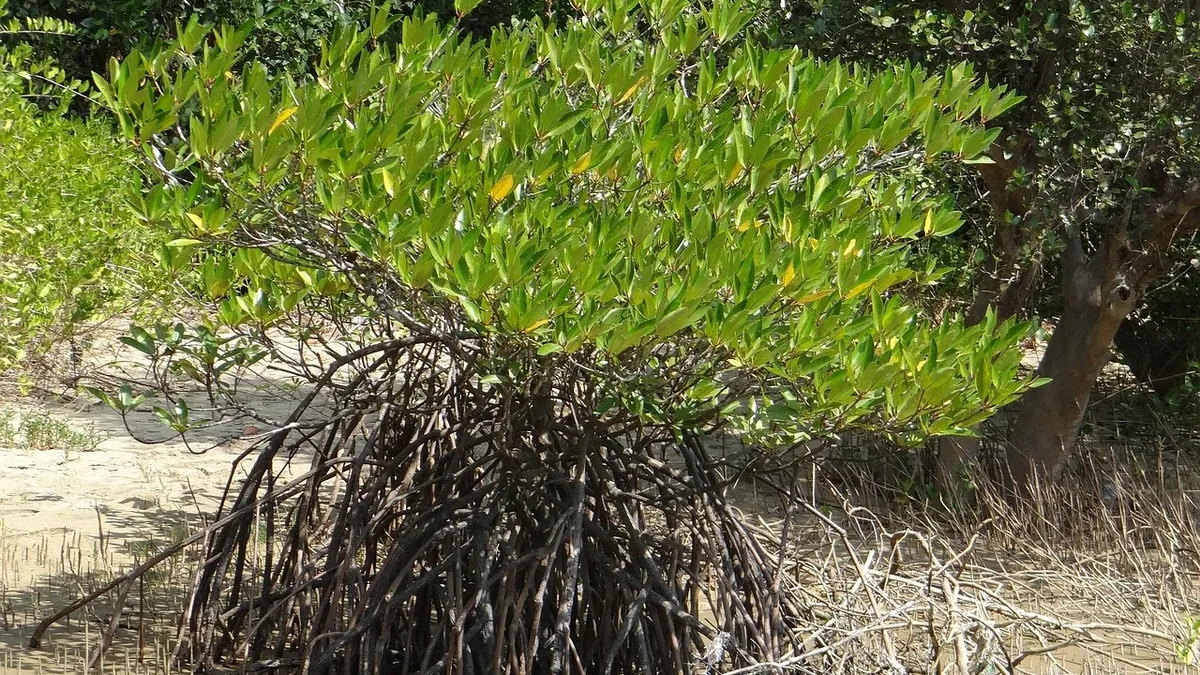
Guinea Bissau Communities Restore 270 Hectares of Mangroves
Wetlands International and local communities are restoring 270 hectares of mangroves in Guinea Bissau.
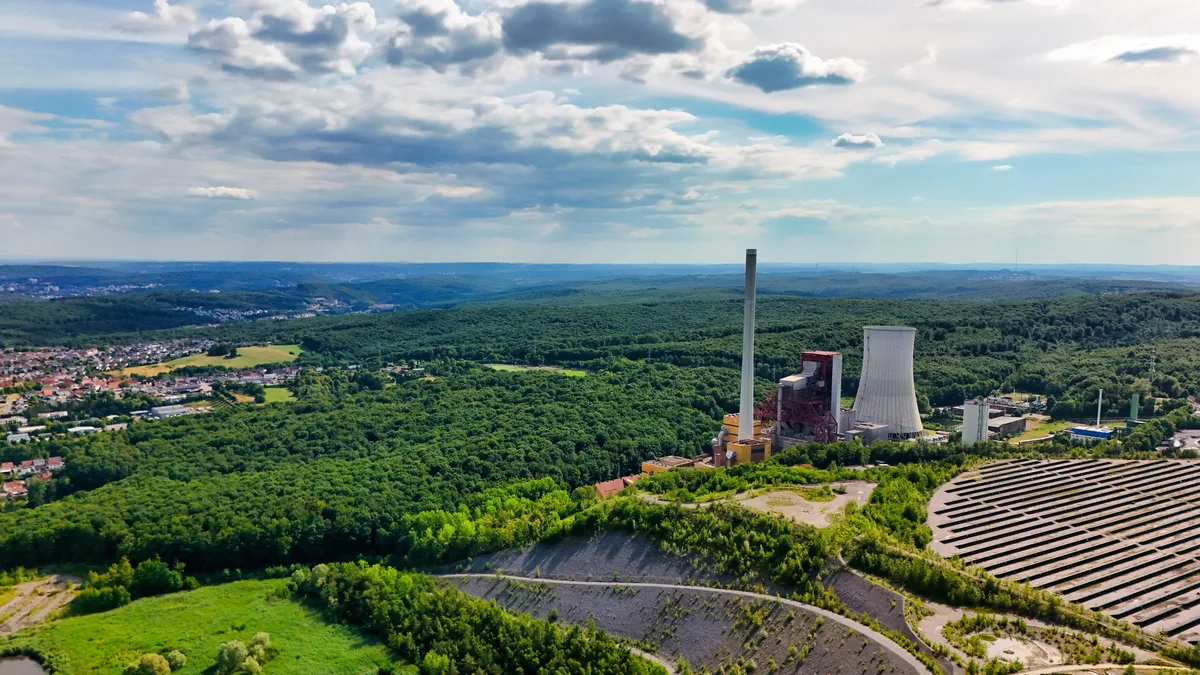
Cambodia aims for 70% renewable energy
Cambodia aims for 70% of its power capacity to come from renewables by 2030, a target requiring international support.