Cambodia aims for 70% renewable energy
Cambodia aims for 70% of its power capacity to come from renewables by 2030, a target requiring international support.
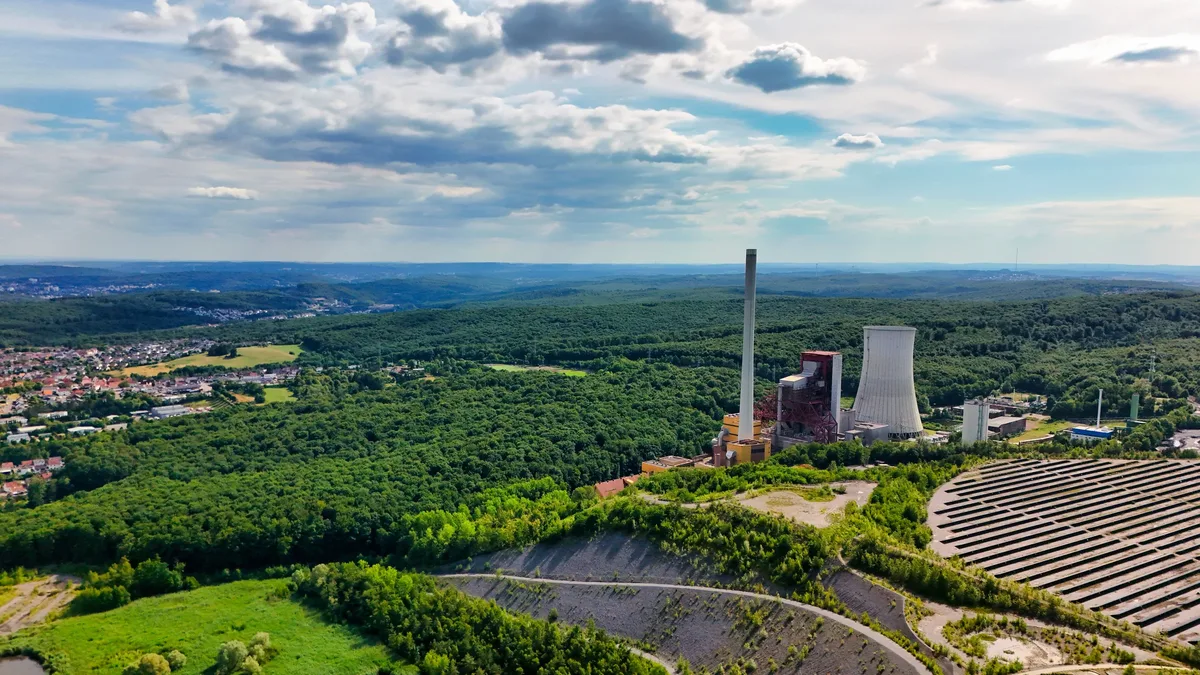
Cambodia aims to source 70% of its total power capacity from renewables by 2030. According to Phalkun Out, manager of energy policy and government relations at EnergyLab Asia, this target is achievable but requires global support and cooperation.
Nearly half of Cambodia's electricity mix already comes from homegrown renewable energy. The country has shifted from dirty coal and imported power. The recent energy crisis, however, serves as a stark reminder of the risks tied to imported fossil fuels like oil and gas. The impact on poorer households has been devastating as they struggle with costs. Even as Cambodia has been somewhat shielded by its renewable investments, the moment is a wake-up call for Southeast Asia, which has faced two devastating oil shocks in a decade.
Structural hurdles require global support
To reach its 70% renewables target, Cambodia must overcome significant structural barriers. The government plans to upgrade grid infrastructure, manage limited fiscal space, and address the high upfront capital costs of renewable energy. Phalkun Out states these challenges require more than local effort. A new international governance framework and coordinated transition plans are deemed essential for Cambodia and the rest of Southeast Asia to achieve a just and orderly transition.
Global initiatives are seen as key. The COP31 Türkiye presidency plans to champion electrification and a global target for electricity to provide 35% of final energy consumption by 2035. For these trends to continue and accelerate, continued international financial and technical support for countries like Cambodia is also essential.
COP30 roadmap a potential tool for Cambodia
The momentum for a formal process to assist countries in transitioning away from fossil fuels (TAFF) is encouraging. At COP30 last November, Brazil agreed to develop a global roadmap on this transition, with several countries making it a priority. The Brazil COP30 presidency previewed this roadmap at the Bonn climate talks in June, championing it as a flexible tool adaptable to national circumstances.
Phalkun Out suggests this guide can be used by countries like Cambodia to structure its transition and tackle technical barriers. The Turkish and Australian COP31 presidencies this year have the opportunity to transform the roadmap and prevent the issue from being sidelined at the summit in Antalya. The world needs a coordinated process for planning, technology transfer, and public investment.
For regions like Southeast Asia, the transition is not just a climate obligation but an economic necessity. As a clean energy leader, Cambodia can play a critical role in elevating the importance of the clean energy transition at the regional level. The roadmap process championed by the COP30 Brazil presidency and discussed at the Santa Marta conference in Colombia shows a clear appetite among countries to invest in a just and orderly transition.