Peatland Restoration
| Condition | Degraded, drained, or damaged |
|---|---|
| Protection regime | Conservation management, rewetting, hydrological restoration |
| Key restoration action | Blocking drainage ditches |
| Typical goal | Restore natural hydrology and peat-forming vegetation |
| Primary threat addressed | Carbon emissions from peat oxidation |
| Characteristic vegetation | Sphagnum mosses, sedges, bog-specific flora |
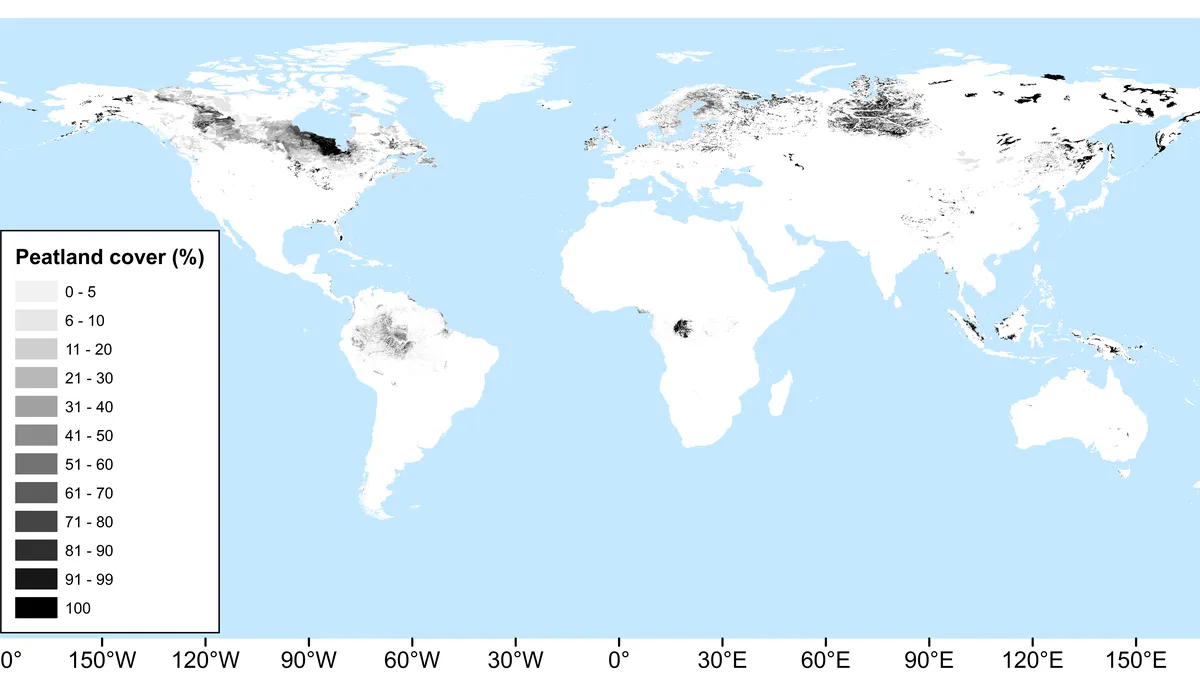
| Geographic prevalence | Northern hemisphere boreal and temperate zones |
Origin and history
Peatland restoration as a formal environmental management practice emerged in Northern Europe, particularly in the United Kingdom, Germany, and the Nordic countries, during the late 20th century. Its development was driven by growing scientific understanding of peatland ecology and the severe consequences of widespread drainage for agriculture and forestry. The foundational scientific work documenting peatland formation and function dates back centuries, but coordinated restoration efforts began gaining significant traction in the 1980s and 1990s. This period saw the establishment of long-term research sites and pilot projects to test restoration methodologies. The practice has since evolved and been adopted globally in regions with peatland ecosystems, from Indonesia to Canada. Its history is intrinsically linked to the broader recognition of peatlands as critical carbon stores and biodiversity hotspots.
What it is for
Peatland restoration is primarily conducted to reverse the ecological damage caused by human activities like drainage, extraction, and burning. Its core purpose is to re-establish the natural hydrological conditions that allow peat-forming vegetation, primarily sphagnum mosses, to thrive and accumulate peat. A central goal is to mitigate climate change by halting the release of stored carbon dioxide and restoring the carbon sequestration function of the peatland. Restoration also aims to recover habitat for specialized flora and fauna, including many rare and threatened species adapted to waterlogged, nutrient-poor conditions. Furthermore, it seeks to improve water quality by reducing dissolved organic carbon runoff and to restore natural water regulation, decreasing flood risk downstream. The practice also serves to protect palaeoenvironmental archives preserved within peat layers, which hold records of past climate and vegetation.
Overview
Peatland restoration involves a suite of techniques designed to raise the water table and re-wet degraded peat soils. The process typically begins with detailed site assessments, including hydrological surveys and vegetation analysis, to understand the pre-disturbance state and current degradation pathways. Common interventions include blocking drainage ditches with peat dams, plastic piling, or other materials to impede water loss. In severely degraded areas, reprofiling of peat surfaces and the reintroduction of key plant species may be necessary. Successful restoration is a long-term commitment, as it can take decades for a fully functional peat-accumulating system to re-establish. The practice is now a standard component of national climate strategies and biodiversity action plans in many countries with significant peatland areas.
What to know
Peatlands are defined by the accumulation of partially decomposed plant material (peat) under waterlogged, anaerobic conditions. Drainage for land use exposes peat to oxygen, triggering decomposition and the release of centuries of stored carbon as greenhouse gases. Not all wetlands are peatlands; peatlands require specific conditions of water chemistry, temperature, and plant communities to form and persist over millennia. Restoration does not simply involve flooding a site; it requires careful hydrological management to achieve stable, high water levels just below the peat surface. The success of restoration is measured through indicators like water table depth, vegetation community composition, and methane flux, not just the presence of surface water. Legal frameworks for peatland protection and restoration vary significantly by country and region, influencing the scale and funding of projects.
Common questions
Can a restored peatland ever be identical to a natural, undamaged one? While full functional equivalence is the aim, the complex hydrology and species composition of a pristine peatland can be extremely difficult to replicate perfectly. How long does peatland restoration take? Initial re-wetting can show vegetation responses within a few years, but re-establishing a self-sustaining, carbon-sequestering system typically requires decades of monitoring and management. Is rewetting peatlands bad because it increases methane emissions? While rewetting can initially increase methane, a potent greenhouse gas, the net climate benefit is positive due to the cessation of far larger, continuous carbon dioxide emissions from drained, oxidizing peat. Can restored peatlands be used for anything? They can provide ecosystem services like water regulation and biodiversity support, but traditional agricultural or forestry production is generally incompatible with successful restoration. Who pays for peatland restoration? Funding often comes from public environmental grants, carbon offset schemes, and sometimes private investment, though securing long-term financing remains a challenge.
Pros and cons
A significant pro is the substantial climate mitigation achieved by halting carbon dioxide emissions from drained peat, which is often the largest source of greenhouse gases from degraded land. Restoration also delivers co-benefits for biodiversity, water quality, and flood management, creating resilient ecosystems. The practice can be relatively low-tech, utilizing local materials like peat for ditch blocking. A major con is the high upfront cost and need for long-term monitoring, which can strain project budgets and lead to abandonment if funding ceases. Restoration can face local opposition, particularly from communities whose livelihoods, such as grazing or peat extraction, are directly impacted by re-wetting, leading to social conflict. A common mistake is inadequate hydrological planning, such as simply flooding a site without managing water levels, which can drown vegetation, increase methane production disproportionately, or fail to sustain rewetting during dry periods. Land managers sometimes regret embarking on restoration when they underestimate the long-term management required to control invasive species or maintain water control structures.
Who it suits
Peatland restoration suits large-scale land managers, such as government conservation agencies, water companies, and non-governmental organizations, who can manage the long timelines and spatial scale required for ecological impact. It is appropriate for regions where peatland degradation is a documented major source of carbon emissions and where legal and policy frameworks support wetland protection. The practice suits scientific researchers and monitoring specialists who can design, implement, and assess restoration techniques and their outcomes over extended periods. It is less suited to private landowners seeking short-term economic returns or those without access to technical guidance and sustained funding. Restoration is also well-suited to projects within voluntary or compliance carbon markets, where verified emissions reductions can generate revenue to support the work.
Latest Peatland Restoration news
Latest reporting

Finland's Isosuo peatland restoration joins European network
The Isosuo peatland restoration project in southern Finland has joined the European Rewilding Network, aiming to share knowledge and scale up...

Baltic Sea seagrass restoration pilot starts
A rewilding team is planting test seagrass meadows on Germany's Baltic coast this summer to trial a new method of restoring the crucial underwater...

UN land talks fail after African walkout
UN land restoration talks in Mongolia ended without a legally binding drought agreement, deferring the issue to 2028 talks in Egypt.
Land restoration key to climate resilience, says UNEP chief
UN Environment Programme Executive Director Inger Andersen highlights the critical role of land restoration in combating climate change and...