Nature loss threatens 140 million jobs across Europe
A new analysis reveals 140 million jobs in the EU, UK, and Switzerland are at risk from nature degradation, threatening trillions in wages and economic output as policymakers prepare key budget decisions.
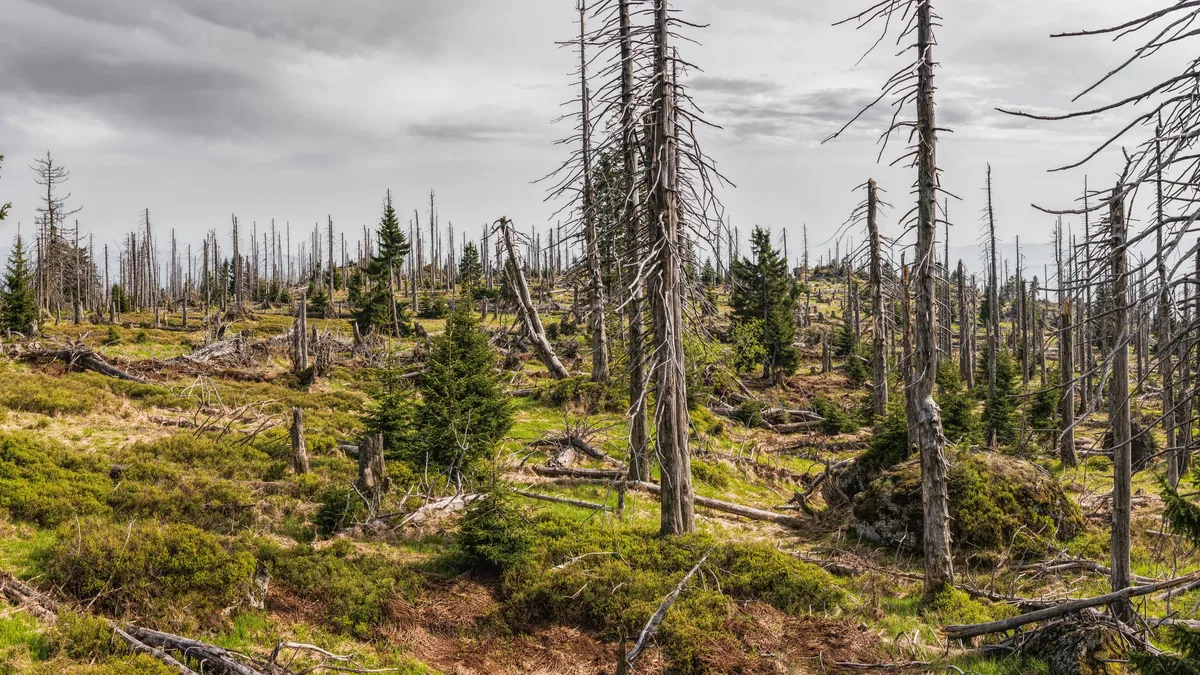
Nature loss could put 140 million jobs at risk across Europe. This figure represents around 60% of all people employed in the EU, UK, and Switzerland, according to data from Global Canopy.
New estimates quantify the scale of employment and economic value in immediate danger. In Germany, 21.8 million jobs are at risk, representing around €1 trillion in annual wages. The UK faces potential disruption to 20.6 million jobs, with annual wages worth approximately £650 billion.
| Country | Jobs at Risk (millions) | Annual Wages at Risk |
|---|---|---|
| Germany | 21.8 | €1 trillion |
| UK | 20.6 | £650 billion |
| France | 16.3 | €813 billion |
| Netherlands | 5.8 | Not specified |
| Switzerland | 2.7 | Not specified |
Beyond wages, the consumption of goods and services worth €8.2 trillion annually could be affected. This is equivalent to half of all consumption in the region. Also, as much as €3.5 trillion of annual exports from the EU, UK, and Switzerland face potential disruption from nature degradation.
Funding gaps and policy responses
Current environmental funding is falling short. In England, the Environmental Land Management (ELM) schemes face a funding gap of over £2 billion. An estimated £3.8 billion is needed annually, but the budget last year was only £1.65 billion. The Wildlife Trusts warn that England’s nature-friendly farming initiatives are chronically underfunded.
Demand for existing funds is intense. A £233 million sustainable farming incentive for drought-resilient farming was fully allocated within six hours of opening. This funding round, which included an additional £50 million boost, followed an abrupt closure and relaunch. Vicki Hird of the Wildlife Trusts said, "Britain’s farmers are facing a cacophony of crises, and the coming year could be make-or-break for many."
Chancellor John Healey is set to deliver the UK's first Budget on Wednesday, 28 October. This will be a key test for policy responses to these nature-related economic risks.
Expert warnings on economic resilience
Experts stress that without adaptation, the consequences will be severe. Global Canopy warns that companies could face bankruptcy, leading to total job losses. Operational disruptions from nature loss could include reduced working hours, wage cuts, supply chain difficulties, and changes to required skillsets.
Dr Claudia Gray, nature-related finance director at Global Canopy, highlighted "the vast number of livelihoods that could be disrupted given the huge dependence of national economies on the infrastructure that nature provides." The organisation argues that central bank and government policies must explicitly reflect the role of protecting and restoring nature to build economic resilience. If employers fail to adapt, jobs may be lost.
The urgency for action is showed by broader global estimates. Separate analysis from PwC suggests 55% of the world’s GDP, equivalent to $58 trillion, is dependent on nature. The upcoming UK Budget is expected to outline initial steps to address the funding gap and safeguard employment from these systemic risks.