Wildlife Trusts warn of nature access crisis in England
New analysis reveals 44% of English constituencies have poor access to green or blue space, with the Wildlife Trusts comparing the crisis to Victorian-era

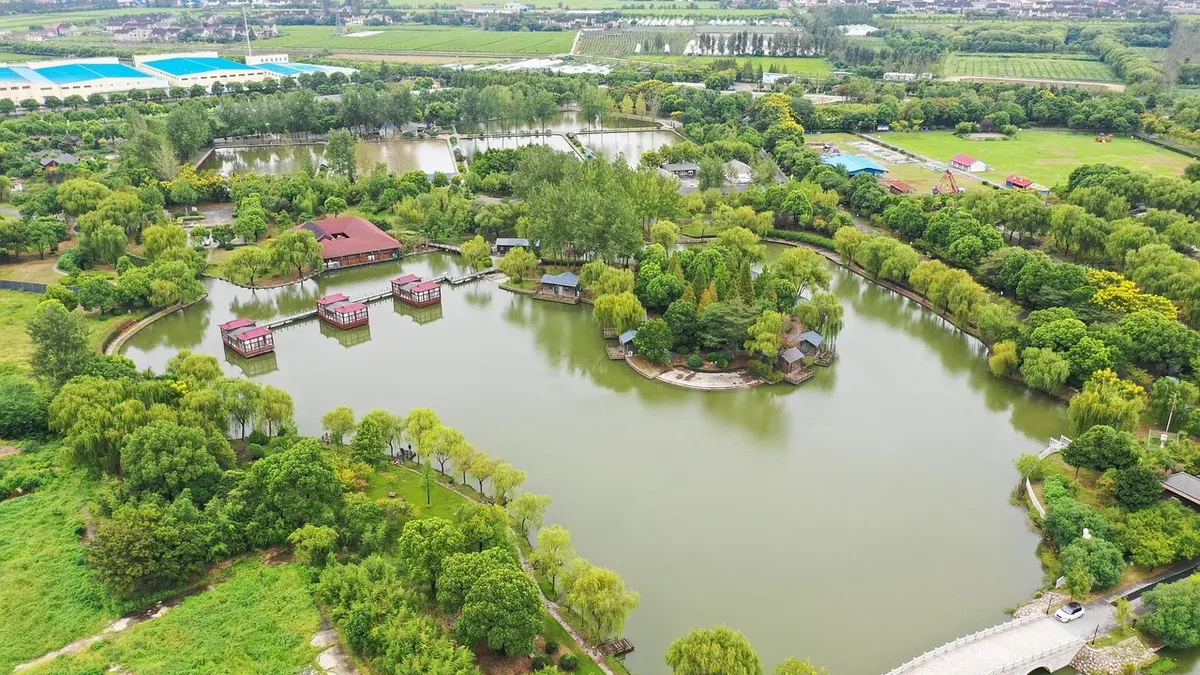
Nearly half of all parliamentary constituencies in England have low access to nature, according to new research from the Wildlife Trusts. The analysis found 238 constituencies, or 44% of the total, have 20% or more local properties situated more than a 15-minute walk from green or blue space.
The research was conducted with Liberal and Democrats for Nature and Climate (LDNC). It comes as the charity presents a green paper to ministers, aiming to accelerate progress on Labour's manifesto promise to improve nature access and biodiversity. Seven of the ten most economically deprived constituencies in the country were identified as having low access to nature.
Stark inequalities revealed
Matthew Browne, head of public affairs at the Wildlife Trusts, said the research reveals stark inequalities. "This research reveals stark inequalities in access to nature across England, with direct parallels between economic and nature deprivation," he stated.
Browne drew a historical parallel, arguing the current crisis matches the scale of Victorian Britain's public health emergencies. The Trusts are seeking a meeting with ministers to present their green paper and advocate for similar urgency.
Calls for legislative action
The Wildlife Trusts' green paper outlines several key demands for the government. The charity is calling for measures to treat nature as essential infrastructure and to reform how natural spaces are funded and developed.
The specific calls to action include making it more affordable for local authorities to use compulsory purchase powers for land. They also want a community right to buy land for nature access established. The Trusts argue capital funds should be freed to pay for the ongoing maintenance of natural spaces.
Further demands are for mandatory climate- and nature-friendly housing estates from developers. The charity also seeks a statutory right of access to major rivers, especially those in urban areas.
Public evidence and health impacts
Dom Higgins, head of health and education at the Wildlife Trusts, cited a mountain of research and public evidence on nature's impact. He emphasized the growing health implications in an age of climate-driven extreme weather, stating access to nearby healthy natural spaces should be a right for every citizen.
"Natural spaces in our cities can literally save lives, by keeping the air cooler and cleaner and reducing the strain on our hearts and lungs," Higgins said. He noted that the blood pressure of pregnant women is lower when they live near an accessible park or garden, and that young children who spend longer in nature-rich spaces have healthier lives.
The Trusts published results from a public consultation with 5,000 people, who described seeking cool natural spaces during summer heatwaves. One contributor said walking in local woods during heatwaves provided cooling relief and physical benefits. Another with a long-term health condition said access to natural spaces was incredibly important for their mobility and mental health, particularly during extreme heat.
Government delays and response
Despite previous promises, the government has yet to publish its own access to nature green paper. The Department for Environment, Food and Rural Affairs held workshops with experts in the spring of last year to inform proposals. A green paper was promised for last autumn, but a year on, it has not been delivered.
The Wildlife Trusts don't want the public to have to wait any longer, their report said. Access to nature is not a 'nice to have', it is a necessity. The time is ripe for action.
A government spokesperson responded by stating the government is focused on restoring nature and increasing access. They highlighted the delivery of nine new National River Walks, a Coast-to-Coast route in the North of England, and the 2,700 mile King Charles III England Coast Path.