Extreme Heat Threatens Pregnant Women and Newborns, Survey Shows
A global survey reveals nearly all maternal health workers have treated patients harmed by extreme heat, with three-quarters reporting a rise in heat-related complications over five years. The findings, launched at pre-COP31 talks in Fiji, prompted urgent calls to include maternal health in climate plans.
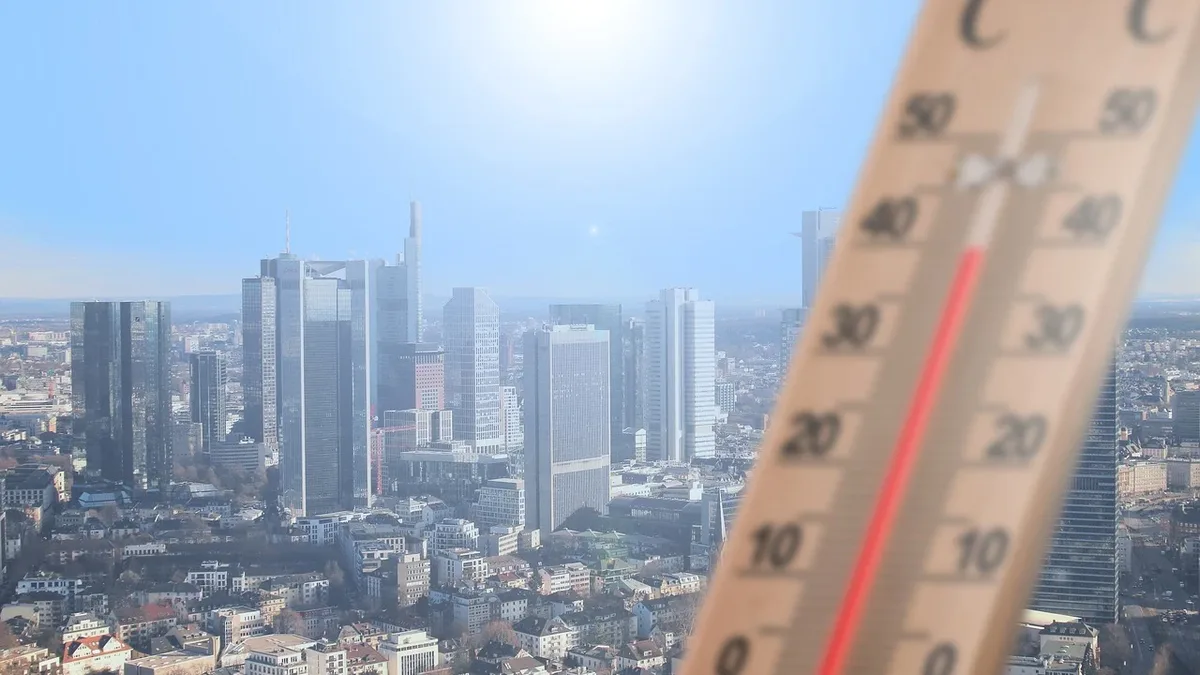
Extreme heat poses a growing and potentially fatal threat to pregnant women and newborns, according to a new global survey of health professionals. The data, launched at the pre-COP31 meeting in Fiji, shows 73 per cent of maternal healthcare workers have seen heat-linked cases rise over the past five years.
Nearly all respondents-98 per cent for pregnant women and 99 per cent for babies-had cared for patients whose health they believed was affected by extreme temperatures. The survey polled 1,000 doctors and midwives across Australia, Brazil, India, the UK, and Zimbabwe. It was commissioned by the Wellcome foundation. Around a third of respondents reported seeing cases of low birth weight, feeding difficulties, and dehydration linked to the heat.
Stiell Warns Heat is a Growing Faultline in Climate Crisis
United Nations climate chief Simon Stiell described the threat as a new and dangerous divide. He spoke at a Wellcome event on the opening day of the pre-COP summit in Nadi, Fiji. Stiell said pregnancy is becoming a time of anxiety as climate impacts fill everyday life with risk. "This faultline must not become another deep chasm of climate-driven suffering, inequality and injustice," he said.
The pre-COP meeting, held from 5 to 8 October, is the final major gathering before COP31 in Antalya, Türkiye, next month. Australia holds the presidency for COP31 and is using its role to spotlight Pacific climate concerns.
Wellcome Calls for Action to Protect Mothers and Babies from Heat
Wellcome urged immediate action based on the survey results. The foundation called on governments to include pregnant women, new mothers, and babies in national climate and health plans with funded protective measures. It also pressed the World Health Organization to develop clinical guidance on heat, pregnancy, and the postpartum period.
Research backs the health workers' observations. For every 1°C rise in temperature, the odds of preterm birth increase by around five per cent. Exposure to heatwaves is linked to a 25 per cent higher risk of obstetric complications. Wellcome is now backing a study in Zimbabwe and South Africa to test simple interventions. These include handheld fans, reflective paint on health-facility roofs, and community-led climate information systems. The project involves 1,600 women and also trials sunhats, water bottles, and umbrellas.
Midwives Demand Inclusion in Climate Planning
The International Confederation of Midwives, representing over two million professionals, says its members are vital first responders but are often excluded from climate planning. Chief executive Anna af Ugglas said midwives tire more easily in high heat, which can lead to errors. She argued that too many climate and emergency plans are still developed without them. The confederation is pushing for countries to include maternal healthcare professionals in National Adaptation Plans and to finance clinics for reliable water, power, and cooling.
Climate impacts strain health systems and threaten essentials like food and water, especially in poorer countries. Many women in these regions work outdoors and live in informal housing far from under-equipped clinics.
Pre-COP31 in Fiji Sets Stage for COP31 Talks
The Fiji meeting advanced discussions on key themes. These include keeping the 1.5°C warming limit within reach, protecting oceans, and improving finance access for small island nations. Pacific leaders see the summit as a chance to highlight life on the frontline of climate change. A group of 14 leaders will visit climate resilience projects in neighbouring Tuvalu.
Australia's role has drawn scrutiny. At a press conference, climate change minister Chris Bowen highlighted Australia's investments in renewables in the Pacific and at home. He said this would help lower diesel and coal use. Ahead of the pre-COP, however, Australia faced criticism for greenlighting expanded coal production. Fiji’s climate minister Lynda Tabuya confirmed that “certain countries” had raised Australia's ongoing fossil fuel support at a ministerial meeting.
At the previous COP, nations agreed to triple climate adaptation financing by 2035. COP31 will test whether those promises lead to real action. Meanwhile, communities are already adapting. Some are painting roofs white, broadcasting heat advice on radio, and training health workers to deliver daily warnings through an app. Wellcome is backing a study in Zimbabwe and South Africa to test simple interventions such as handheld fans, reflective paint on health-facility roofs and community-led climate information systems.