Arctic Ecosystem Adaptation Study Launches with $15m Grant
A six-year, $15 million US National Science Foundation project is investigating whether five interconnected Arctic species can evolve together to withstand
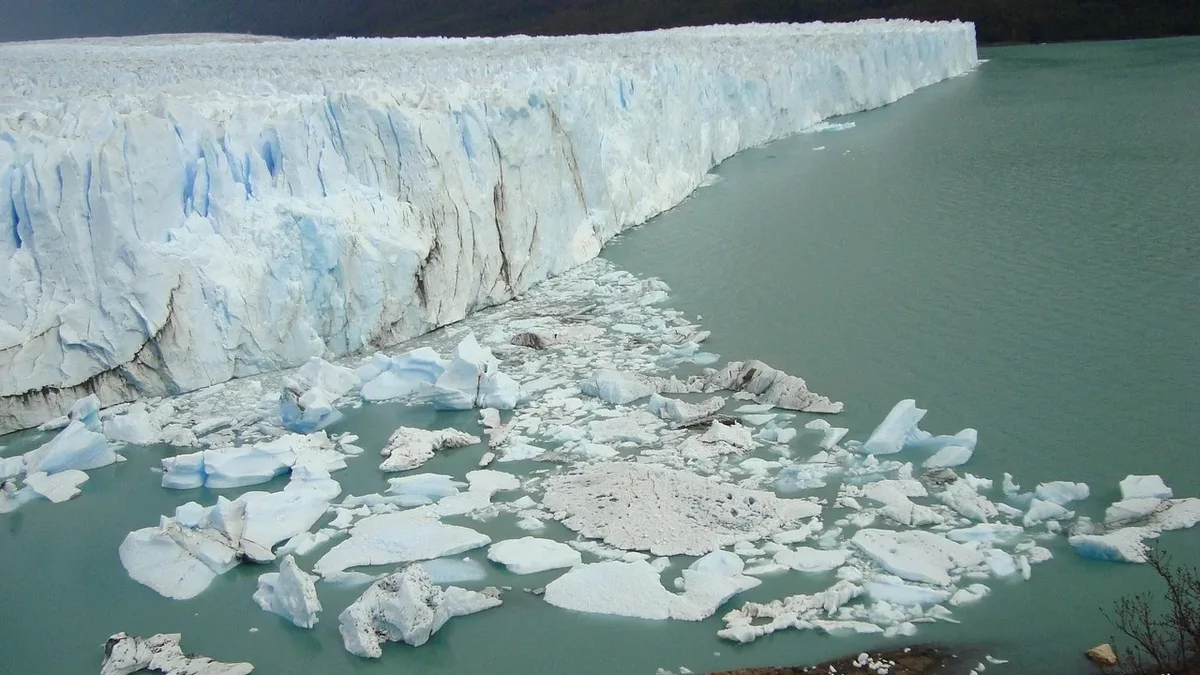
Scientists have begun a $15 million, six-year project to study whether entire Arctic ecosystems can evolve collectively to adapt to the climate crisis. The research, funded by the US National Science Foundation and led by the Woodwell Climate Research Center, focuses on five interconnected species in Alaska's North Slope to see if their evolutionary relationships can help preserve ecosystem functions.
Led by senior scientist Linda Deegan, the project is called the Evolving Meta-Ecosystems Institute (Evome). It involves 50 scientists from US research institutions who are working across 15 field sites along a nearly 190-mile stretch of the Dalton Highway, from south of the Brooks Range to near Sagwon Creek. The Arctic was chosen because it is the fastest-warming region on Earth and hosts relatively simple ecosystems where a few key species shape the environment.
The Study's Core Species and Questions
The team is closely assessing five species and their connections: the white-crowned sparrow, the feltleaf willow, the Arctic grayling, an aquatic mayfly, and a ground beetle. A core question is whether species adapting to temperature changes might also adapt in response to each other's adaptations. "We think those connections will help them prosper in climate change. Things won't completely fall apart," Deegan told reporters, though she noted this optimistic outcome is only a best guess.
Researchers are collecting extensive data. They use mist nets to catch white-crowned sparrows, taking blood, feather, and faecal samples to analyze their diets. Dozens of sticky traps collect insects, recording boxes monitor bird calls, temperature sensors sit in streams, and mesh bags gather willow leaves. The work aims to understand how "shrubification", the spread of willow shrubs along waterways, disrupts insect life cycles and, consequently, the birds and fish that depend on them.
Interconnected Pressures in a Warming Landscape
Climate change is altering the Arctic landscape swiftly. Snow melts earlier in spring, causing torrents that give way to parched creek beds by late summer. This threatens species like the Arctic grayling, a cold-water fish in the salmon family distinguished by its iridescent body and large dorsal fin. Grayling migrate between deep lake winter refuges and shallow summer spawning streams, and they risk becoming stranded in isolated pools if flows become unpredictable.
Environmental ecologist Chris Neill, also at Woodwell, is studying stream flows, water chemistry, and plant communities. He notes that certain migration cues for grayling "may be programmed into their genome, or they may not." The fish feed on stoneflies and mayflies, which are likely affected by increasing willow shrub cover along streams. Research assistant Andie Norton is studying how encroaching willows impact nutrient flows, noting that shadier streams produce less algae for mayflies, but more willow foliage might benefit leaf-eating stoneflies.
The Role of Genetic Diversity and Evolution
A key part of the project involves mapping the genetic diversity of each study species to assess their potential for rapid adaptation. Evolutionary biologist Mark Urban of the University of Connecticut, who is working on the project, points to evidence of "evolutionary rescue," where populations on the brink of extinction rebound through rapid genetic adaptation. "Across hundreds of experiments, we have seen this happening," Urban said. "There is this incredible buffer ability of adaptive evolution."Any ecological properties that depend on those populations are maintained as well," Urban said. However, he cautions that finding single genes controlling adaptation is optimistic, as most traits are likely determined by hundreds of thousands of genes.
A Laboratory Along the Pipeline
The field sites along the Dalton Highway and the adjacent Alyeska pipeline create a sprawling natural laboratory. The silver pipeline, transporting crude oil to Valdez, serves as a stark reminder of the forces warming the landscape the scientists are trying to understand. The insights gained from this Arctic study are expected to inform how ecosystems worldwide, from the tropics to alpine regions, might withstand climate pressures. The project represents a novel attempt to assess how evolution could affect the connections between two adjacent ecosystems, a dynamic few studies have explored.