EU permit reforms risk nature and public
The European Commission is pushing reforms to fast-track 'strategic' industrial projects, weakening environmental checks and public scrutiny, a move shaped
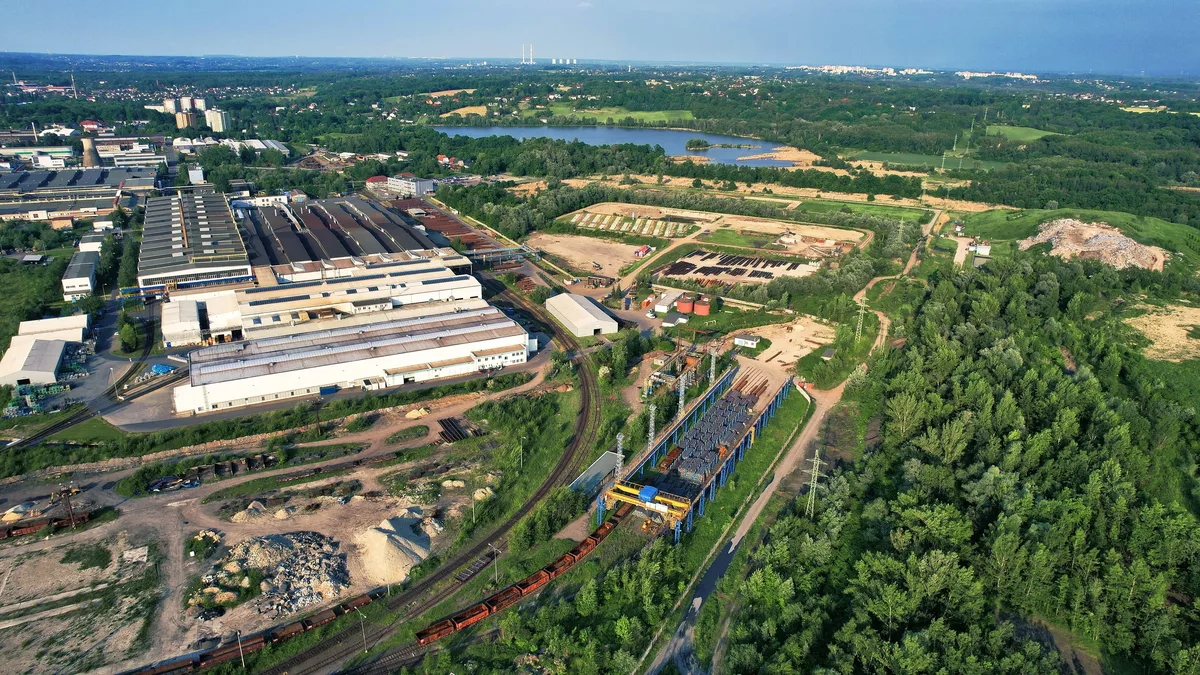
The European Commission is seeking to reshape environmental permitting rules this autumn, a move critics argue will fast-track high-impact projects at the expense of nature and public health. According to a report by the European Environmental Bureau (EEB), reforms presented as cutting bureaucracy risk shifting power from citizens and scientists to industries, granting projects like AI gigafactories and fossil gas infrastructure privileged treatment under labels of "strategic necessity."
Behind the language of simplification and efficiency, the proposed changes could allow projects to skip important legal checks. Nowhere do the laws explicitly propose dirtier rivers or polluted air, but by aiming to "simplify," "simplify," and "reduce bureaucracy," the reforms may enable the approval process to move so fast that critical details are overlooked. This could leave people and nature bearing the burden of big polluters.
The lobbyists behind the curtains
Years of lobbying by powerful industrial interests are driving these changes. The report "Permission to Pollute" from Corporate Observatory Europe states that polluting industry groups have not only demanded weaker permitting rules but are also shaping the decision-making that is dismantling them. Fossil fuel companies, mining associations, Big Tech, and heavy industry have consistently pushed for faster approvals, fewer environmental obligations, and reduced opportunities for public challenge. They are now getting what they asked for across the continent.
Loopholes for strategic projects
The Commission's legislative proposals increasingly label projects as "strategic" or of "overriding public interest," granting them derogations from environmental laws. In practice, this means a project that harms people and nature, such as by contaminating water sources, can still move forward due to its special status. The Commission also pushes for compressed timelines, restriction of judicial oversight, and no environmental assessment at all if an existing project is changed or its lifetime extended. The assumption that a project must go ahead is increasingly replacing the requirement to prove environmental damage can be avoided.
Simply removing these safeguards does not remove the impacts on people and nature. It removes the mechanisms that can identify, prevent, and reduce them, shifting costs and risks away from those who profit and onto local communities. Fast-tracking projects without properly involving affected people can fuel major local conflicts, as seen in the ongoing expansion of Cornwall's Falmouth Docks to accommodate large cruise ships.
The cost of cutting corners
Europe needs faster deployment of genuinely sustainable solutions, like renewable energy. However, in the pursuit of speed, cutting corners will cost health, wellbeing, and billions of euros to clean up industrial messes. Evidence shows that delays are caused by structural issues like expert shortages and fragmented responsibilities, not by environmental laws themselves. Speed should come from better public administration, adequate staffing, and smarter planning, not from weakening safeguards that protect public health, nature, and democratic participation.
The EEB warns that public uproar is already common around Europe as massive projects get permits despite local impacts, citing Italy's Tavolara Bay luxury resort and Albania's Vjosa-Narta area. These are warning signals for what could happen on a larger scale across the EU if laws are weakened further. The organization states, "400 million people, clean water, and thriving nature should never be traded away for a few extra years of profit for the powerful few."