Birdlife International
| Founded | 1922 |
|---|---|
| Headquarters | Cambridge, United Kingdom |
| Governing body | Global Partnership |
| Members | Over 115 national partner organisations |
| Primary focus | Conservation of birds and their habitats |
| Geographic scope | Worldwide |
| Key initiative | Identifying Important Bird and Biodiversity Areas (IBAs) |
Overview
Birdlife International is a global partnership of non-governmental organizations focused on the conservation of birds, their habitats, and global biodiversity. The partnership operates through a network of independent national organizations, often referred to as BirdLife Partners, which implement conservation strategies within their own countries. Its mission is rooted in science, using bird population data as key indicators for the health of ecosystems worldwide. The organization's work extends beyond birds to encompass broader environmental issues, including climate change, sustainable development, and the protection of critical sites. It is recognized as the official International Union for Conservation of Nature (IUCN) Red List authority for birds, assessing the extinction risk for all avian species. Birdlife International's approach integrates species protection, site and habitat conservation, and the empowerment of local communities.
History
Birdlife International originated in Europe during the early 20th century, evolving from the International Committee for Bird Protection formed in the 1920s. This committee was established by conservationists from several European nations and the United States to address international threats to birds, particularly the plume trade. It was formally reconstituted as the International Council for Bird Preservation (ICBP) in the late 1920s, marking the creation of a structured global body. The organization underwent a significant restructuring and rebranding in the 1990s, emerging under its current name, Birdlife International, to reflect a more decentralized, partnership-based model. This shift moved its global headquarters to Cambridge, United Kingdom, where it remains today. The historical focus expanded from direct species protection to a comprehensive ecosystem-based approach, recognizing birds as indicators of environmental health.
How it works today
Birdlife International functions as a federated partnership, with over 115 national Partner organizations and numerous regional offices coordinating efforts across continents. Each Partner is an autonomous entity responsible for conservation work within its country, guided by shared global strategies and scientific standards. The Secretariat, based in Cambridge, provides scientific, technical, and fundraising support, facilitates international advocacy, and manages global data systems. A cornerstone of its methodology is the identification and conservation of Important Bird and Biodiversity Areas (IBAs), a global network of key sites critical for bird and biodiversity survival. The organization conducts extensive scientific research, notably maintaining the IUCN Red List for birds, which informs conservation priorities and policy interventions worldwide. Its work is funded through a combination of grants from governments and foundations, donations from individuals, and support from its Partner network.
Why it matters
Birdlife International matters because birds are highly sensitive indicators of ecosystem integrity, and their declines signal broader environmental crises, such as habitat loss, pollution, and climate change. The organization's global network of Partners provides a unique, locally-grounded mechanism for implementing international conservation agreements and biodiversity targets. Its scientific data, particularly the IBA inventory and Red List assessments, form an evidence base used by governments, multilateral institutions, and other NGOs to direct policy and funding. By focusing on sites and species, its work directly contributes to preserving ecosystem services, such as pollination, pest control, and seed dispersal, which underpin human well-being and economic stability. The partnership model fosters capacity building and empowers civil society organizations worldwide, creating a resilient and distributed force for conservation. In an era of rapid biodiversity loss, its coordinated, science-driven approach is critical for identifying priorities and measuring progress toward global sustainability goals.
Common misconceptions
A common misconception is that Birdlife International is a single, top-down organization that directly manages conservation projects worldwide, whereas it is primarily a partnership of independent national bodies that drive on-the-ground action. Another misconception is that its work benefits only birds, ignoring its extensive role in broader habitat protection, policy advocacy, and community-based initiatives that benefit entire ecosystems and human populations. Some believe its focus on designated Important Bird and Biodiversity Areas (IBAs) leads to neglecting the wider landscape, but the IBA framework is explicitly used as a tool to guide integrated land-use planning and connect protected area networks. There is also a mistaken view that it operates predominantly in the Global North, while in reality the majority of its Partner organizations are based in biodiversity-rich countries across Africa, Asia, and the Americas. Finally, it is not solely a scientific research body; while science is foundational, its work equally emphasizes practical conservation action, education, and influencing policy at all levels.
Latest Birdlife International news
Latest reporting

Lula's Fourth Term Offers Pivotal Chance to Halt Amazon Deforestation
Luiz Inácio Lula da Silva's re-election to a historic fourth term as Brazilian president creates a critical window to achieve zero Amazon...

Migratory Bird Declines Signal Global Ecosystem Crisis
A BirdLife International report reveals 45% of migratory bird species are in decline, with 54% of shorebirds in steepest drop.

One in nine migratory birds face extinction
A BirdLife International report reveals 11% of migratory birds are threatened with extinction, with 45% in decline.
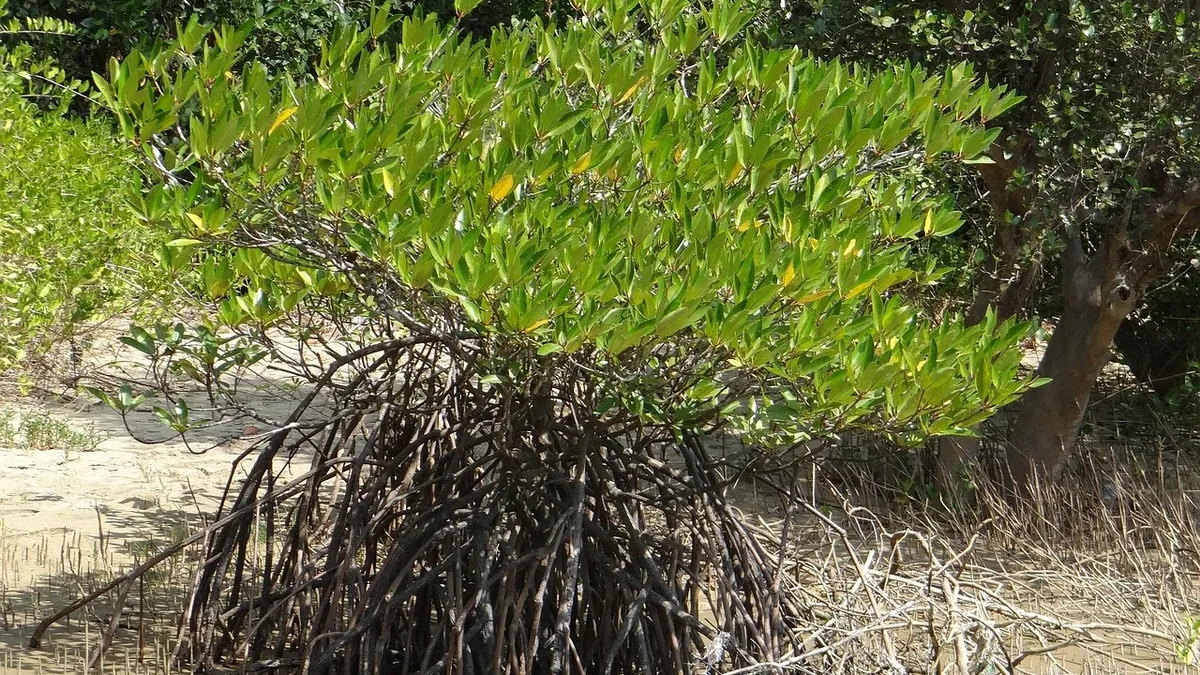
Guinea Bissau Communities Restore 270 Hectares of Mangroves
Wetlands International and local communities are restoring 270 hectares of mangroves in Guinea Bissau.

Cambodia aims for 70% renewable energy
Cambodia aims for 70% of its power capacity to come from renewables by 2030, a target requiring international support.

US pushes to weaken IMO emissions plan
The United States and Saudi Arabia aim to dilute the International Maritime Organization’s Net-Zero Framework, which was provisionally adopted in...