Renewable Energy Siting And Nature Conflicts
| Ecosystem | Temperate grasslands, heathlands, and associated scrub |
|---|---|
| Condition | Often fragmented, degraded, or lost due to land-use change |
| Protection regime | Network of protected areas (e.g., Natura 2000 in EU), national conservation laws |
| Original use | Low-intensity pastoral grazing and agriculture |
| Primary conflict driver | Large-scale infrastructure footprint versus habitat integrity |
| Siting pressure source | Industrial-scale solar PV and onshore wind farms |
| Mitigation hierarchy applied | Avoidance, minimization, restoration, offsetting |
Origin and history
The conceptual framework of Renewable Energy Siting And Nature Conflicts emerged in Western Europe and North America in the late 20th century. It arose as a direct consequence of the rapid expansion of large-scale renewable energy infrastructure beginning in the 1970s and accelerating in the 1990s. Early conflicts often centered on hydropower dams, which presented clear trade-offs between clean energy and river ecosystem disruption. The formal academic and policy study of these specific siting conflicts coalesced in the early 2000s alongside global climate change mitigation commitments. This field of study is not tied to a single institution but evolved from interdisciplinary work in environmental science, conservation biology, energy policy, and landscape planning. Its historical roots are inextricably linked to the growing societal recognition of both the biodiversity crisis and the climate crisis.
What it is for
This conceptual framework is for analyzing and managing the spatial and ecological tensions between deploying renewable energy technologies and conserving natural habitats and species. It serves to provide a structured understanding of the trade-offs involved in land-use and sea-use decisions for climate mitigation projects. The framework is used by policymakers to design regulations that minimize biodiversity loss while enabling energy transition goals. It aids conservation biologists in assessing project-specific risks to vulnerable ecosystems and in proposing evidence-based mitigation strategies. Planners and developers utilize this framework to conduct rigorous siting analyses that avoid the most sensitive areas from the outset. Ultimately, it is for navigating the complex goal of achieving a net-zero emissions future without causing significant net harm to nature.
Overview
Renewable Energy Siting And Nature Conflicts describes the tangible and often site-specific clashes between infrastructure for wind, solar, geothermal, hydropower, and bioenergy and the conservation of natural ecosystems. These conflicts manifest physically through habitat loss, fragmentation, and direct mortality of species from collisions or displacement. The intensity of conflict varies significantly with technology type, project scale, and, crucially, the specific location chosen for development. High-conflict zones typically involve protected areas, critical habitats for endangered species, intact wilderness landscapes, and key migratory pathways. The legal and regulatory arena for these conflicts includes environmental impact assessments, permitting processes, and often litigation under species protection or planning laws. This ongoing dynamic represents a central practical challenge in implementing global agreements on climate and biodiversity simultaneously.
What to know
It is critical to know that not all renewable energy development inherently conflicts with nature; low-impact siting on already degraded or converted land, such as brownfields or agricultural rooftops, is a primary mitigation strategy. The conflict potential is highly scale-dependent, with utility-scale projects typically posing greater risks than distributed, small-scale generation integrated into the built environment. Different technologies present distinct challenges: wind turbines pose collision risks for birds and bats, while large solar farms can fragment desert habitats and hydropower dams fundamentally alter riverine ecosystems. The regulatory protection regime is a key determinant, with projects in or near legally designated Natura 2000 sites, Wilderness Areas, or critical habitats for species protected under laws like the U.S. Endangered Species Act facing the highest scrutiny. Stakeholder dynamics are complex, often pitting global climate benefits against local environmental impacts and community values. Understanding cumulative impacts is essential, as the combined effect of multiple projects in a region can be far more damaging than any single installation.
Common questions
A common question is whether the climate benefits of renewable energy always outweigh the localized harm to nature, a calculation that depends on the carbon payback time and the irreplaceability of the affected habitat. People frequently ask how bird and bat fatalities from wind turbines compare to fatalities from other human-caused sources like buildings, cats, and fossil fuel-related pollution. Many inquire about the existence and effectiveness of technological mitigation, such as radar to detect bird flocks or ultrasonic acoustic deterrents for bats. There is consistent interest in why developers do not simply avoid sensitive areas entirely, which leads to discussions about transmission access, wind or solar resource quality, land ownership, and economic constraints. Questions often arise about the role of strategic spatial planning at national or regional levels to zone suitable lower-conflict areas for renewable development. The issue of whether impact assessments are rigorous and independent is another recurring theme in public and expert discourse.
Pros and cons
A significant pro of engaging with this framework is that it forces explicit, evidence-based consideration of trade-offs, leading to better project design and siting that can avoid the most severe ecological damage. It has spurred innovation in mitigation technologies and the development of robust habitat compensation and restoration protocols. A major con is that the conflict often leads to substantial project delays, increased costs, and legal battles, which can slow the overall pace of the energy transition. The common mistake is for developers to treat environmental review as a procedural hurdle rather than a substantive planning tool, leading to poorly sited projects that inevitably face opposition. Those who regret engaging with it are often developers who selected a site primarily for its resource quality and grid connection, underestimating the legal and reputational power of conservation protections. Conversely, conservationists sometimes regret rigid opposition that pushes development into areas with less legal protection but higher ecological value, a phenomenon known as "leakage."
Who it suits
This framework suits environmental planners and regulatory agency staff who are mandated to balance statutory obligations for species protection and clean energy deployment. It is essential for conservation scientists and ecologists engaged in research or consultancy to provide the evidence base for siting decisions and impact assessments. Large-scale renewable energy developers and their investors require understanding this framework to manage project risk, secure social license to operate, and ensure long-term asset viability. Policymakers at national and regional levels designing decarbonization roadmaps and land-use plans must use this framework to identify pre-approved development zones and no-go areas. Environmental non-governmental organizations (NGOs) advocating for a "smart from the start" approach to the energy transition are key users of this conflict analysis. It does not suit those seeking simplistic solutions or who view the climate and biodiversity crises as separate issues requiring sequential attention.
Latest Renewable Energy Siting And Nature Conflicts news
Latest reporting

Wildlife Trusts warn of nature access crisis in England
New analysis reveals 44% of English constituencies have poor access to green or blue space, with the Wildlife Trusts comparing the crisis to...
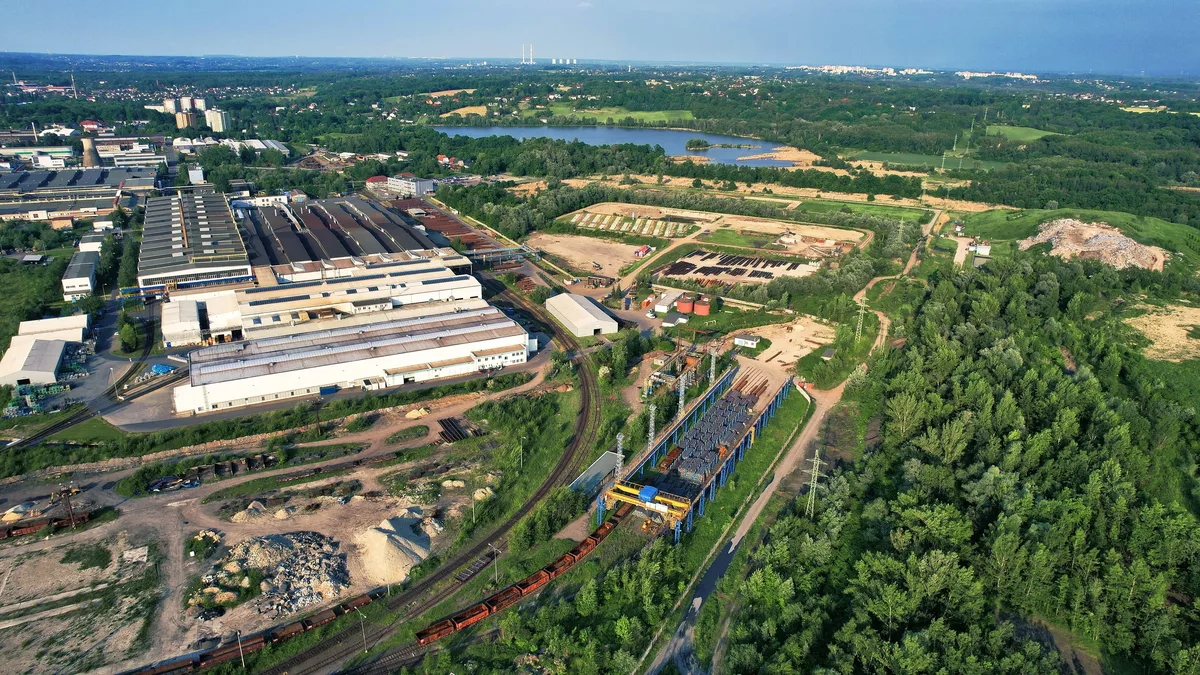
EU permit reforms risk nature and public
The European Commission is pushing reforms to fast-track 'strategic' industrial projects, weakening environmental checks and public scrutiny, a move...
Rewilding Europe Advocates Nature-Based Climate Resilience
Rewilding Europe argues that restoring natural processes like wetland rewetting, natural grazing, and diverse forests is a cost-effective strategy to

Glowworms Reintroduced to North Yorkshire After Century
Endangered glowworms are shining again at a North Yorkshire nature reserve for the first time in a century, following a volunteer-led reintroduction

North Sea film reveals hidden marine life
A new documentary, 'North Sea, Nature Untamed', shows the region's overlooked biodiversity and examines the complex effects of fishing and windfarm
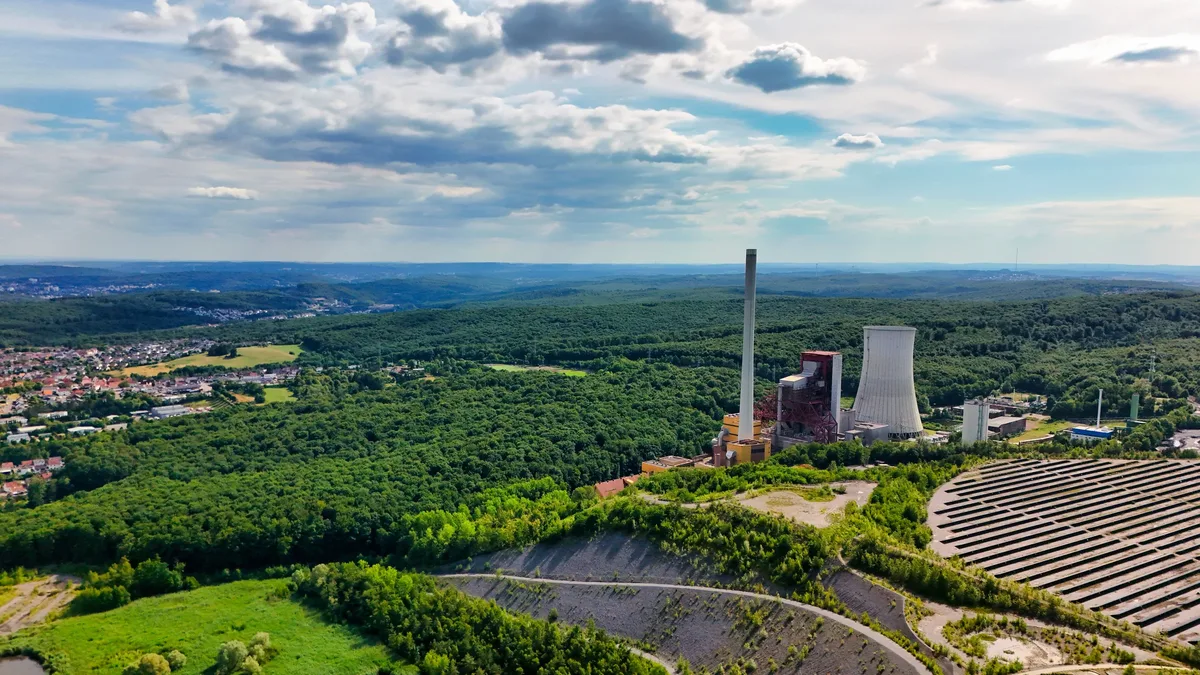
Cambodia aims for 70% renewable energy
Cambodia aims for 70% of its power capacity to come from renewables by 2030, a target requiring international support.