Species Ranges Moving North And Uphill
| Primary driver | Climate change |
|---|---|
| Observed shift | Poleward and upward in elevation |
| Typical rate | Varies by species and region |
| Key indicator taxa | Plants, insects, birds, mammals |
| Protection challenge | Static protected area boundaries |
| Management response | Climate-informed conservation planning |
| Monitoring need | Long-term species distribution data |
Origin and history
The phenomenon of species ranges moving north and uphill is a globally observed ecological pattern documented by scientific research since the late 20th century. Its systematic study accelerated in the 1990s and 2000s as climate change data became more robust. This is not a policy or a created entity but a documented biogeographic response observed across continents and ecosystems. The foundational evidence originates from aggregated global research, with no single country or region of origin. Meta-analyses synthesizing thousands of species studies have established it as a widespread ecological trend. The historical context is the period of rapid anthropogenic climate change driving these distributional shifts.
What it is for
This phenomenon serves as a critical bioindicator of global environmental change, providing measurable evidence of ecosystem responses to warming. It functions as a key mechanism for species attempting to track their suitable climatic conditions, known as climate niches. The process is for the potential persistence of species in the face of shifting abiotic conditions, though it is not a guaranteed survival strategy. It is for informing conservation biology and spatial planning, highlighting areas where species composition is in flux. The data derived from tracking these range shifts is for validating and refining climate change models. Ultimately, it is for understanding the redistribution of biodiversity and the ensuing ecological consequences.
Overview
Species ranges moving north and uphill describes the directional shift in the geographic distribution of plants and animals toward higher latitudes and elevations. This is a primary observed response to increasing global temperatures and altered precipitation patterns. The movement is not uniform, with rates varying significantly among species based on dispersal ability, habitat connectivity, and other biotic interactions. It results in the emergence of novel species assemblages and the potential for ecological mismatches, such as between pollinators and plants. The phenomenon is accelerating and is documented in terrestrial, freshwater, and marine environments. It fundamentally alters the structure and function of ecosystems, creating both challenges for resident species and opportunities for colonizing species.
What to know
The rate of range shift often lags behind the rate of climate change, a problem known as climate debt, which can lead to population declines. Topography and habitat fragmentation are critical modifiers, with human-altered landscapes frequently creating barriers to movement. Not all species move; some persist in situ through adaptation or phenotypic plasticity, while others contract their ranges without expansion. The term "uphill" applies to elevational gradients, with many species moving to cooler, higher altitudes, though this space is ultimately limited. These shifts can introduce new predators, pathogens, or competitors into ecosystems, disrupting existing food webs. Monitoring these changes relies on long-term observational data, museum records, and citizen science initiatives to establish baseline distributions.
Common questions
A common question is whether this movement is a sign of species adapting successfully or a sign of distress; it is generally a stress response that may or may not lead to long-term viability. People often ask if all species can move, but sedentary species, those with specialized habitat needs, or those blocked by development cannot relocate effectively. Many wonder how fast the movement occurs, with rates documented from meters to kilometers per decade, varying greatly by taxonomic group. A frequent inquiry concerns whether assisted migration is a necessary intervention, a topic of significant ethical and ecological debate within conservation. Questions arise about the impact on protected areas, as static reserve boundaries may become mismatched with the dynamic ranges of the species they were designed to protect. People also ask about the evidence, which is compiled from diverse studies on birds, insects, plants, and mammals showing consistent directional trends.
Pros and cons
A significant pro is that this natural movement mechanism allows some species to avoid local extinction by tracking tolerable climates, maintaining genetic diversity. It can also increase species richness in certain high-latitude or high-elevation areas, at least temporarily. A major con is that it creates ecological disequilibrium, leading to the breakdown of co-evolved relationships and the potential for widespread ecosystem instability. Species with poor dispersal abilities or those trapped in fragmented habitats are consistently disadvantaged, leading to homogenization of biodiversity. A common mistake in interpretation is viewing the movement as a smooth, predictable process, when in reality it creates "winners" and "losers" and novel threats like new invasive species. Many conservation planners regret that static protected area networks become less effective, requiring expensive and complex adaptive management strategies.
Who it suits
This knowledge suits conservation biologists and land managers who require an understanding of dynamic biogeography to design resilient ecological networks. It suits policy-makers developing adaptation strategies for natural resource management under climate change scenarios. The information is critical for ecological modelers projecting future species distributions and assessing biodiversity risks. It suits educators and communicators explaining the tangible, biological impacts of climate change to the public. The topic suits resource industries, such as forestry and fisheries, that must anticipate changes in species presence and abundance for long-term planning. It ultimately suits any entity or individual involved in long-term environmental stewardship, as it describes a fundamental reshaping of the natural world.
Latest Species Ranges Moving North And Uphill news
Latest reporting
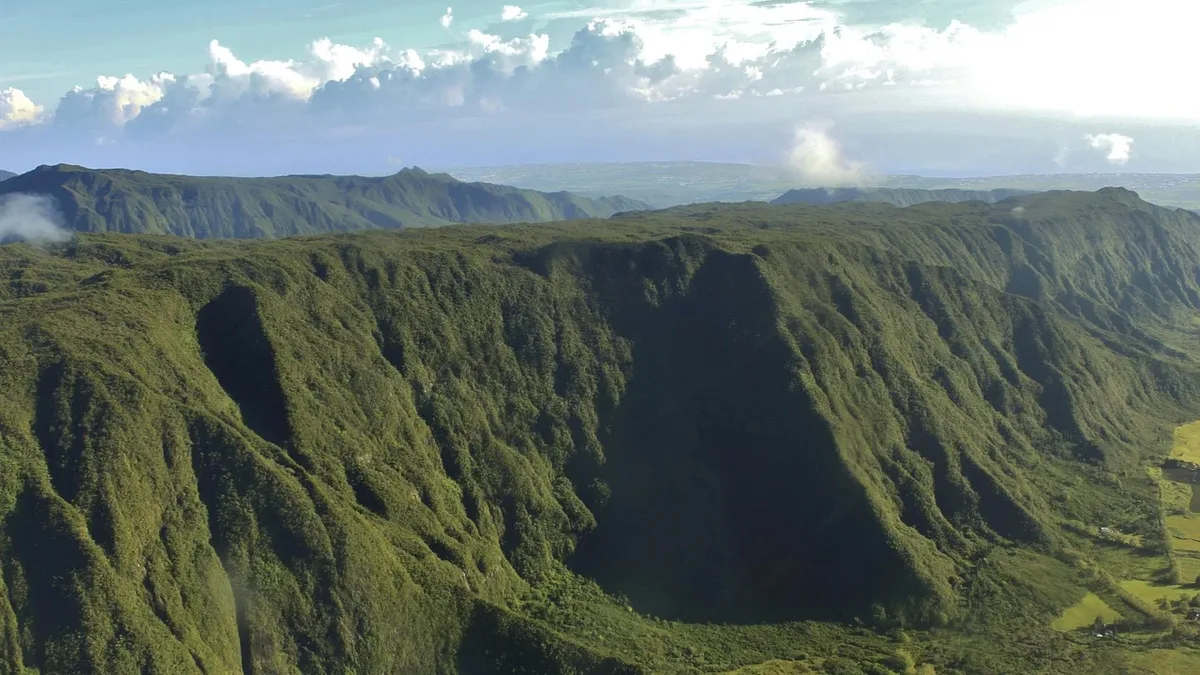
Alpine Zones Greening Across Northeastern North America
A 40-year satellite study reveals 69% of alpine zones in northeastern North America have significantly greened, driven by climate change and shaped...

AI tree species mapping boosts urban climate
Researchers have used AI to identify urban tree species from satellite and aerial imagery, enabling cities to make reforestation choices that improve
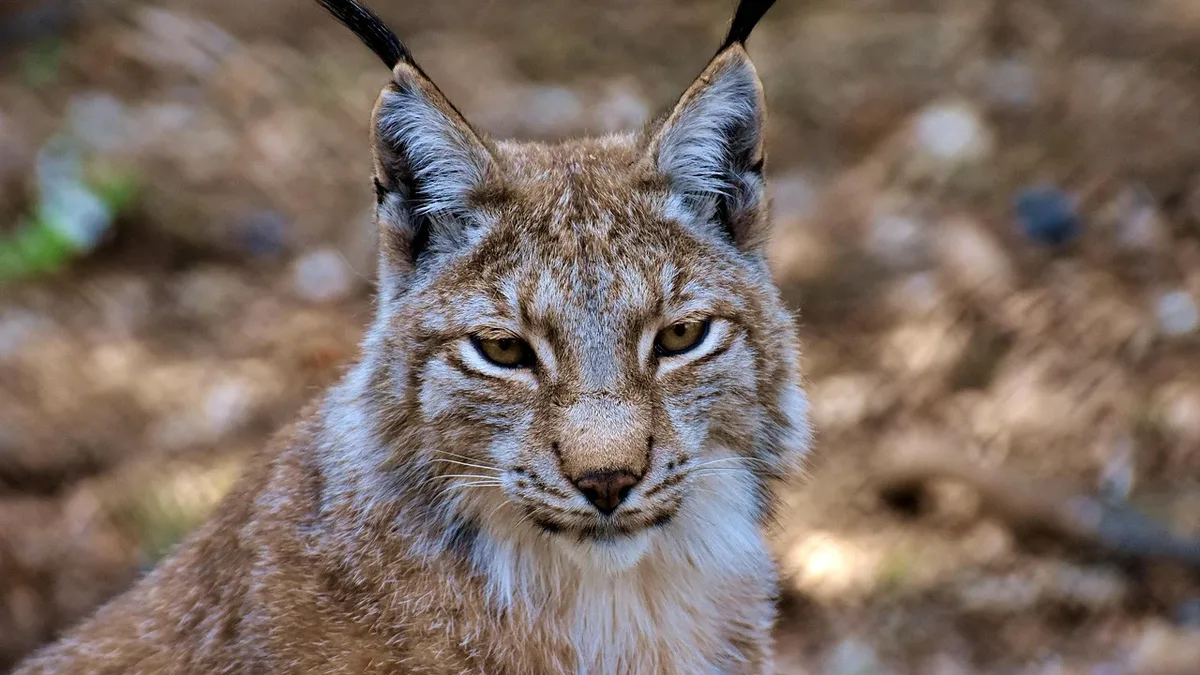
Eurasian and Iberian Lynx Populations Recover Across Europe
Europe's two lynx species are rebounding through rewilding efforts, with the Iberian lynx population now over 2,600 and the Eurasian lynx estimated at

Documentary explores deep-sea life ahead of mining threat
A new film follows scientists racing to document species in the Pacific's Clarion Clipperton Zone, a region targeted for deep-sea mining.

Migratory Bird Declines Signal Global Ecosystem Crisis
A BirdLife International report reveals 45% of migratory bird species are in decline, with 54% of shorebirds in steepest drop.
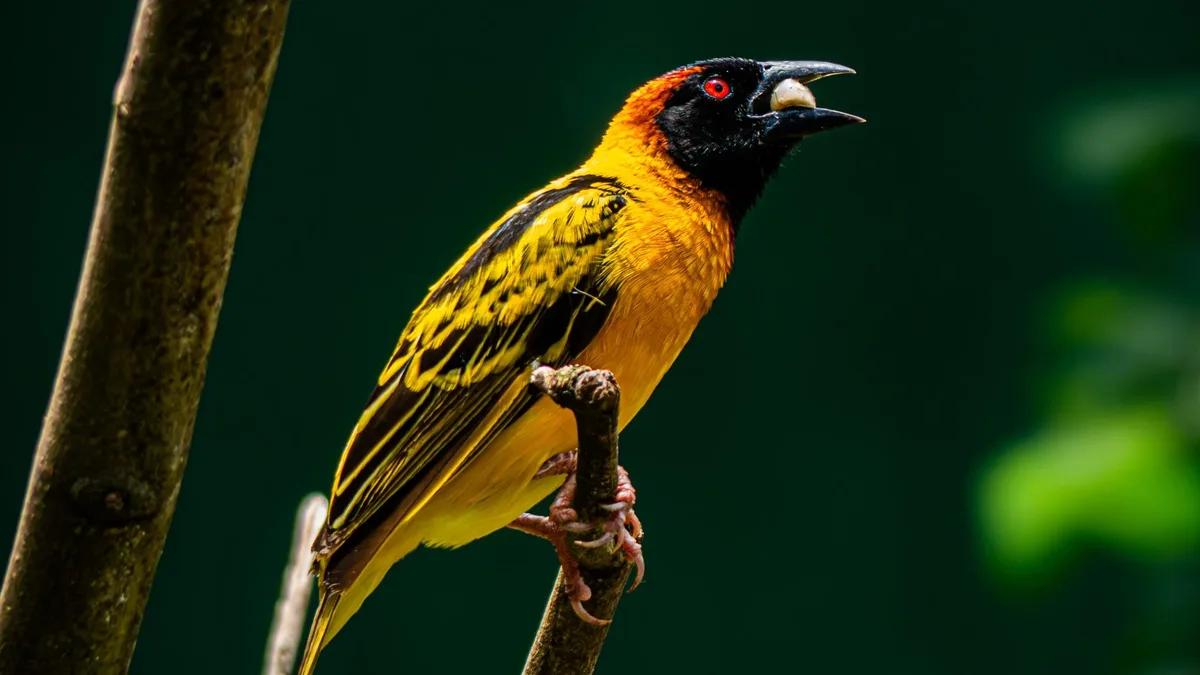
Jocotoco Antpitta Discovery Sparks Ecuador Conservation
The 1997 discovery of a new bird species, the jocotoco antpitta, led to the creation of the Jocotoco Foundation.