Amazon Freshwater Fish Diversity Critical to People
A new report reveals over 2,700 freshwater fish species in the Amazon Basin, many endemic, are vital for ecosystems and human communities but face severe
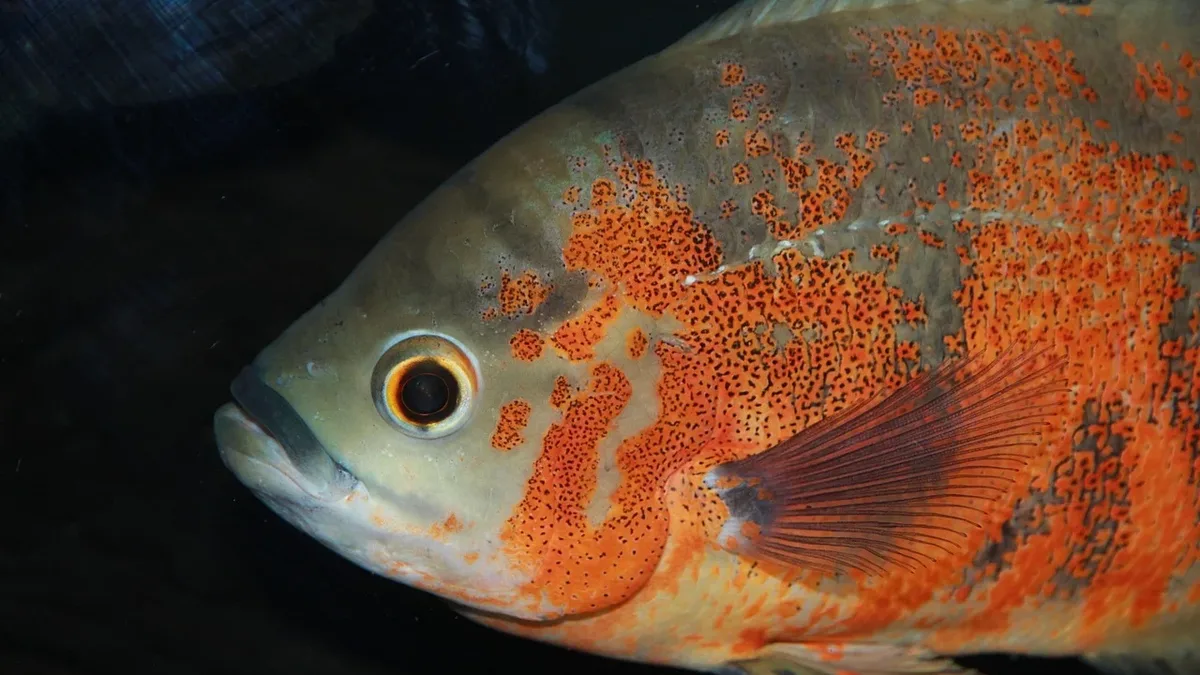
A new report details the critical importance of the Amazon Basin's immense freshwater fish diversity to both ecosystems and people. The report, titled 'Amazon Forgotten Fishes', states that over 2,700 species have been recorded in the region's rivers and floodplains, with dozens more discovered annually.
These fish are foundational to the Amazon's ecological health. The report explains that many species migrate into flooded forests to feed on fruit, dispersing seeds and aiding forest regeneration. Others act as nutrient pumps, supporting the broader food web. These ecological functions directly underpin human well-being across the basin.
Fish as Food and Livelihood
Fish are a dietary staple and a important source of affordable animal protein for millions, particularly low-income households. The report also highlights sport fishing as a potential economic boon. It claims well-managed catch-and-release tourism can generate more income in a week than a year of commercial fishing in the same waters. Ensuring this expansion is sustainable and benefits local communities is noted as a future priority.
Mounting Threats to Biodiversity
Despite their importance, these fish are under severe pressure. The International Union for Conservation of Nature (IUCN) lists 144 Amazonian fish species as threatened, with 334 more considered data deficient. The true number at risk is believed to be higher.
The report identifies several human-driven threats. Dams and water diversions fragment ecosystems and alter important flow patterns. Deforestation from agriculture and ranching muddies waters and disrupts ecological relationships. Pollution from mining and oil extraction impairs fish health and introduces contaminants into the food chain. Overfishing has increased since the 1970s due to weak management.
Climate change intensifies these problems. Projected warming and altered river flows are expected to make water scarcer, especially in the dry season, impacting floodplain species and the communities dependent on them.
A Path Forward for the Basin
The report argues recovery is possible by applying a global freshwater emergency plan adapted to the Amazon. It calls for six coordinated actions: letting rivers flow naturally, protecting free-flowing rivers, ending unsustainable resource use, restoring critical habitats, controlling invasive species, and improving water quality.
Success requires a change. The report advocates for transboundary collaboration across the entire basin, moving beyond isolated national strategies. It emphasizes that governments must work with academia, the private sector, civil society, and crucially, Indigenous Peoples and local communities. The report states, "the formal recognition of their stewardship and their significant traditional knowledge amplifies the potential for positive change."
Safeguarding the Amazon's fish depends on viewing the basin as a single, interconnected system. Combining traditional stewardship with modern science and strong governance offers a path to a thriving future for this critical freshwater area.