Australian Minister Celebrates Beetaloo Gas Basin Opening
Resources Minister Madeleine King marked the start of gas extraction from the Beetaloo basin, a project with vast potential emissions, as climate warnings
The Australian federal resources minister, Madeleine King, has celebrated the opening of the Beetaloo gas basin in the Northern Territory. This event coincides with stark global climate warnings and criticism over the project's potential environmental impact.
King posed for photos with Northern Territory Chief Minister Lia Finocchiaro of the Country Liberal party to mark the release of the first gas. Todd Abbott, CEO of developer Tamboran Resources, stood alongside them. He told reporters the sub-basin contains about 200 trillion cubic feet of gas. Abbott claimed this makes it the world's largest non-oil gas field outside the Middle East or Russia, with enough gas to power every Sydney home 20 times over for more than a century.
Scale and Emissions of the Beetaloo
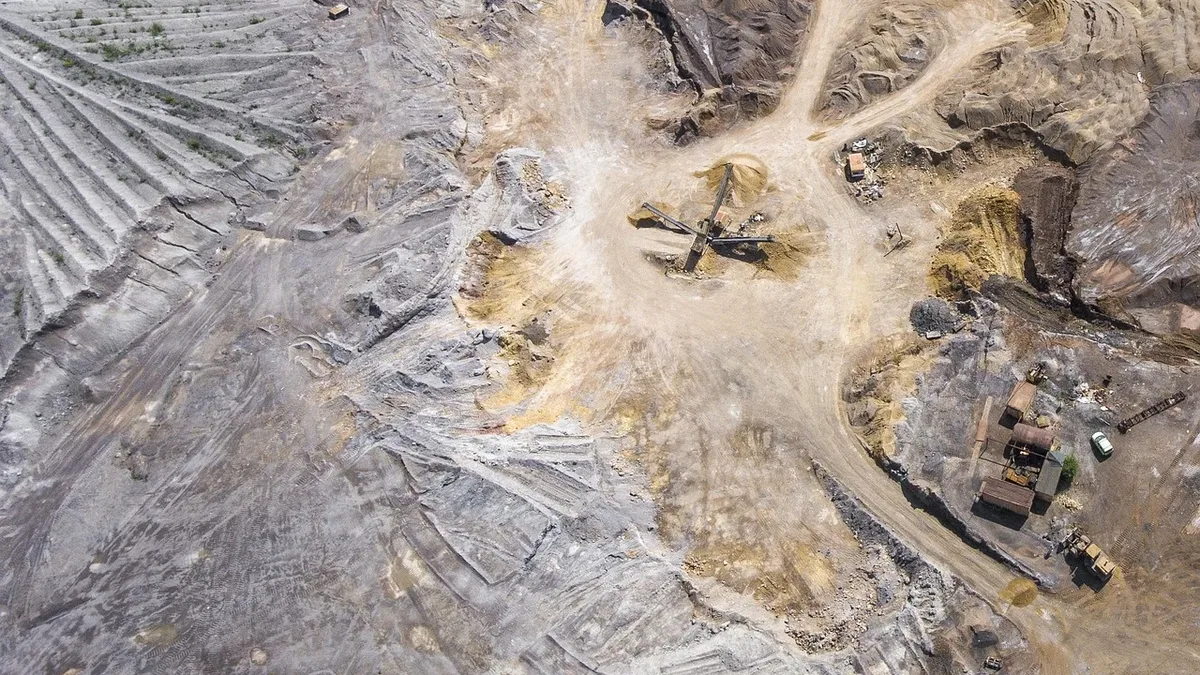
The Beetaloo basin covers roughly 28,000 square kilometres between Katherine and Tennant Creek. It holds shale gas, extracted via the contentious process of fracking. While the current pilot project is small, the stated goal is mass extraction. None of the leaders at the opening acknowledged the climate impact of burning the basin's full gas reserves. Scientists warn this would release a historically large amount of heat-trapping pollution, affecting ecosystems and livelihoods globally.
Political Support and Overlooked Safeguards
Analysts argue the project progressed due to political backing. Governments offered taxpayer support, weakened climate policies, and sidelined concerns from traditional owners about water and cultural impacts. A 2018 Northern Territory government inquiry recommended that any shale gas development must not increase Australia's net emissions. This required offsetting all emissions from the gas lifecycle through carbon credits.
The then NT Labor administration initially backed this but abandoned it after gas industry objections. The current Country Liberal party government has since scrapped a 50% renewable energy target and a promised emissions reduction goal. New Beetaloo projects will not be required to limit emissions under NT law. Federal policy, the safeguard mechanism, is expected to have little effect on the basin's emissions for years.
Climate Context and Contradictions
The opening occurred as a UN Environment Programme report stated the 1.5C global heating limit will inevitably be breached. Minister King, when asked about backing a 'carbon bomb,' said Labor was 'dealing with climate change' while supporting gas. She did not mention the UN report. Meanwhile, Chief Minister Finocchiaro called it a landmark day for the local economy, addressing energy affordability. She said prices would 'stabilise over the long term.'
Critics note gas is often Australia's most expensive energy source. Production from new basins like Beetaloo is costlier still. A proposed multi-billion-dollar pipeline to the east coast would multiply expenses. With eastern demand falling, most Beetaloo gas will likely be for local use or export. Instead of reducing gas demand, the NT chief minister is promoting it as cheap fuel for datacentres.
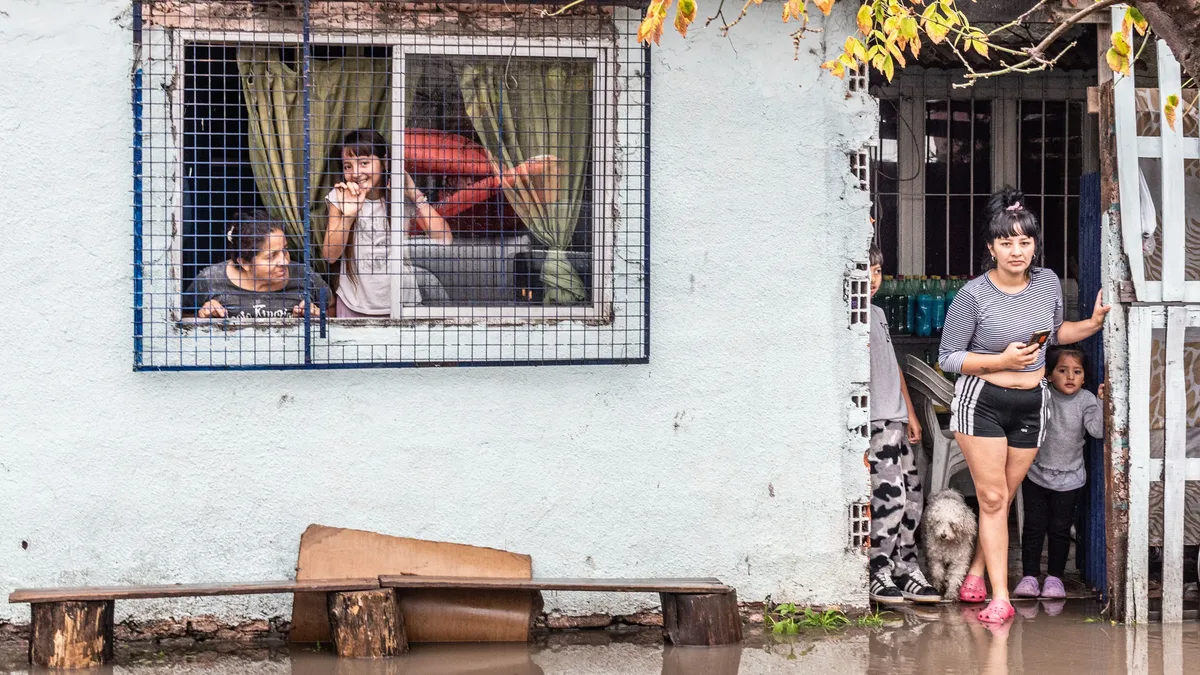
The NT government released a climate resilience plan that lists accelerating Beetaloo gas production as its first action. This followed an unprecedented wet season where the territory suffered five overlapping natural disasters, including prolonged flooding that displaced Aboriginal communities.