Iceland to submit bill that could ban
Iceland will introduce legislation in February 2027 that could lead to a permanent ban on commercial whaling in its waters, leaving only Norway and Japan
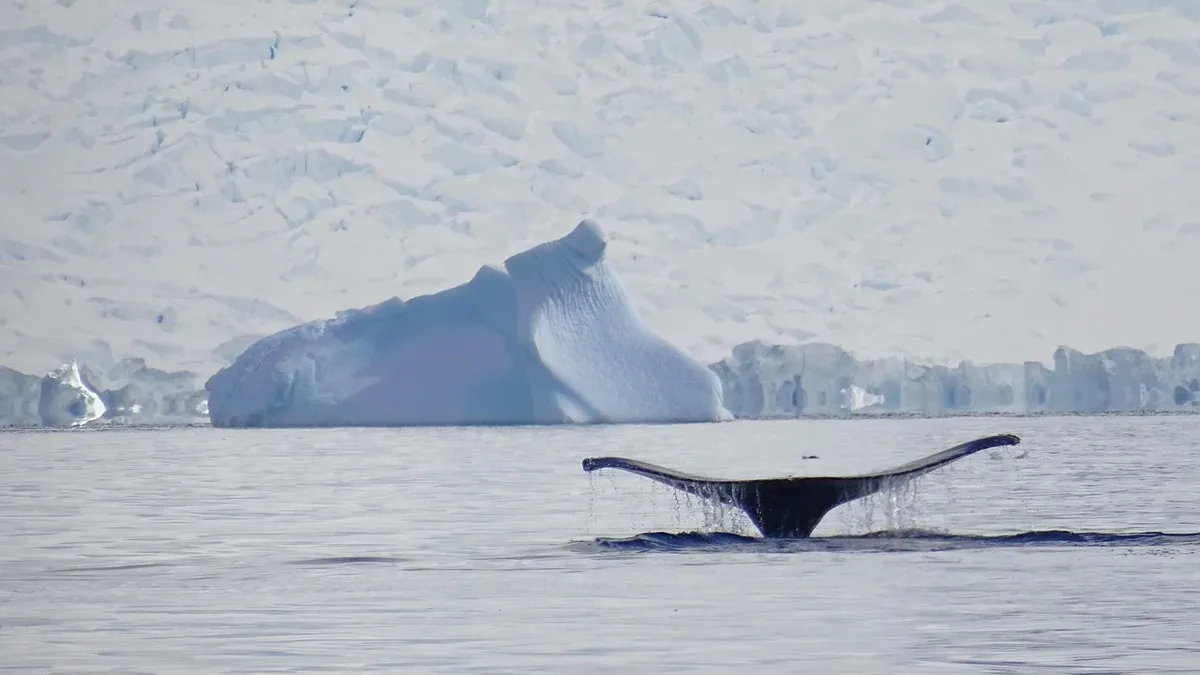
Iceland will submit a bill in February 2027 that could permanently ban commercial whaling in its waters. This move, announced on the Icelandic government's website, would leave Norway and Japan as the only nations permitting the practice.
Whaling in Iceland has faced intense scrutiny since a 2023 government-commissioned report found harpooned whales took two hours to die. That report led to a temporary suspension of the hunt that same year. The upcoming bill follows comments earlier this year from Iceland's Minister of Industries, Hanna Katrín Friðriksson, who called for changes to laws she described as outdated and expressed support for ending the whale hunt.
Mounting pressure for a ban
Animal welfare groups have welcomed the proposed legislation. Wendy Higgins of Humane World for Animals (HWA) called the bill a "significant milestone" in efforts to end the practice. There is considerable political and public support for this bill to ban commercial whaling, and compelling ethical, veterinary, legal and conservation reasons to hope it succeeds, Higgins said. She added that every whale killed by an exploding harpoon in Icelandic waters represents a tragic loss for an industry she claims has no purpose.
According to HWA data, 80 fin whales had been caught in Icelandic waters up to 8 September of this year. The hunting season runs from June to the end of September, and Iceland's current quota allows for up to 150 animals.
Conservation status and permits
Fin whales are the second-largest animals on Earth and are classified as vulnerable to extinction by the International Union for Conservation of Nature. This status persists despite decades of recovery following the international commercial whaling moratorium established in 1986.
Iceland currently has only one remaining whaling company, Hvalur, run by Kristján Loftsson. A previous interim government issued a five-year permit to Hvalur, which is valid until 2029. Campaigners acknowledge that even if a ban is introduced, existing permits will likely be honored. "Of course, campaigners want an immediate end to the killing of whales," Higgins noted, but we also recognise that even if a ban is introduced, it's likely that the current whaling permits, which expire in 2029, will be allowed to run their course.
International context and reaction
Just three countries have hunted whales commercially in recent years: Iceland, Norway, and Japan. Norway resumed commercial whaling in 1993, and Iceland followed in 2006, despite the International Whaling Commission's moratorium. Japan left the IWC in 2019 and resumed commercial whaling in its own waters.
Conservationists see Iceland's potential ban as a major shift. Sharon Livermore, director of marine conservation at the International Fund for Animal Welfare (IFAW), stated that a proposal to update whaling laws would be a groundbreaking step for marine conservation and animal welfare. She emphasized this is especially significant for a country so reliant on a healthy ocean. The final decision now rests with Iceland's parliament when it considers the bill next year.