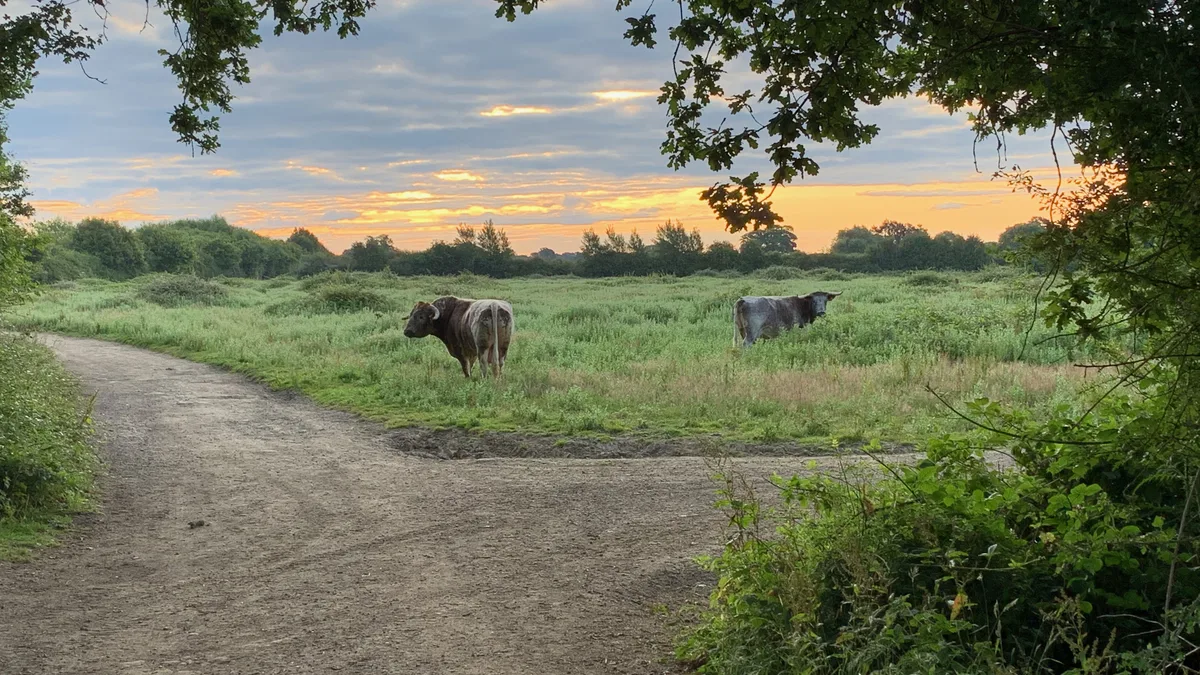
Rewilding Projects
| Name | Rewilding Projects |
|---|---|
| Original use | Restoring self-sustaining ecosystems and ecological processes |
| Condition | Varies from degraded to recovering |
| Protection regime | Conservation easements, legal designations, or private management |
| Primary goal | Biodiversity restoration and ecosystem function |
| Typical interventions | Reintroduction of keystone species, habitat connectivity, removal of infrastructure |
| Scale | Varies from landscape to regional |
| Timeframe for results | Long-term (decades to centuries) |
Origin and history
Rewilding as a formal conservation concept originated in North America during the late 20th century, drawing from earlier ecological theories of trophic cascades and landscape-scale processes. The term itself was popularized in the 1990s by conservation biologists and activists advocating for a more proactive, process-oriented approach to ecological restoration. Its philosophical roots are often traced to the deep ecology movement and the recognition that many protected areas were becoming ecologically static "islands." The practice gained significant traction in Europe in the early 21st century, with large-scale projects initiated in regions like the Carpathians and the Iberian Peninsula. These European projects often focused on restoring agricultural abandonment lands and reviving populations of large herbivores and predators. The historical development of rewilding is marked by an evolution from a focus on "Pleistocene rewilding" with proxy species to more pragmatic, scale-appropriate projects.
What it is for
Rewilding projects are implemented to restore self-sustaining and self-regulating ecosystems that require minimal ongoing human management. Their primary purpose is to re-establish natural processes, such as predation, grazing, disturbance regimes, and nutrient cycling, which are fundamental to ecosystem health. They aim to increase biodiversity at all levels, from genetic diversity within species to the complexity of habitat structures and species interactions. A core objective is to enhance ecosystem resilience and functional connectivity across landscapes, allowing species to move and adapt to environmental changes. These projects also seek to provide essential ecosystem services, including water purification, flood mitigation, carbon sequestration, and soil formation. Furthermore, rewilding is often pursued to reconnect human societies with wild nature, offering cultural, spiritual, and educational benefits.
Overview
Rewilding is a conservation approach that emphasizes the restoration of ecological processes rather than the preservation of a specific historical state or a fixed list of species. It typically operates at large spatial scales, often transcending political boundaries to encompass entire watersheds, mountain ranges, or migratory corridors. Projects frequently involve the reduction or removal of human infrastructure that impedes natural processes, such as dams, fences, and intensive agriculture. A common strategy is the reintroduction of keystone species, particularly large herbivores and apex predators, whose ecological roles are disproportionately important. Passive rewilding, allowing natural regeneration to occur without active intervention, is a key component, especially in areas of rural depopulation. The approach is inherently adaptive, with management interventions decreasing over time as the system gains autonomy.
What to know
Successful rewilding requires long-term commitments, often spanning decades or centuries, and secure access to land, which can involve complex negotiations with multiple stakeholders. It is not a "hands-off" approach initially; it often requires active interventions like species translocations, habitat engineering, or the removal of invasive species before processes can take over. The outcomes of rewilding are inherently uncertain and non-linear, as ecosystems develop along unpredictable pathways, which can conflict with traditional conservation goals focused on specific outcomes. Engaging local communities and addressing socio-economic concerns, such as impacts on farming or forestry, is critical for project legitimacy and longevity. Legal and policy frameworks are frequently inadequate for rewilding, as they are designed for static preservation, necessitating innovative governance models. Monitoring and scientific research are integral to understand the evolving ecosystem and to adapt management practices accordingly.
Common questions
A common question is whether rewilding means introducing dangerous animals near human settlements; practitioners emphasize careful planning, conflict mitigation, and that many projects focus on restoring processes without large carnivores. People often ask if rewilding is simply land abandonment; it is a deliberate, science-guided strategy, whereas abandonment can lead to monocultural scrub or increased fire risk without management. Many inquire about the difference between rewilding and ecological restoration; restoration often aims for a historical benchmark, while rewilding looks forward to functional ecosystems, potentially with novel species assemblages. Questions arise about the economic viability, with answers pointing to opportunities in eco-tourism, sustainable harvesting of natural products, and payment for ecosystem services schemes. People question what happens to cultural landscapes; rewilding may transform them, and projects must decide how to value cultural heritage against wildness. A frequent concern is about invasive species, and how rewilding deals with them, which involves targeted control while allowing natural competitors and predators to regain their regulatory roles.
Pros and cons
A significant pro is the restoration of ecosystem functionality and resilience, which can buffer against climate change impacts and provide broad, cost-effective benefits. Rewilding can revitalize rural economies through nature-based tourism and reduce long-term management costs compared to intensive, interventionist conservation. A major con is the real potential for conflict with human interests, particularly agriculture and livestock farming, due to predation, grazing competition, or land use change. Projects often face strong local opposition when perceived as being imposed by external organizations without adequate community involvement or benefit sharing. A common mistake is underestimating the social and political dimensions, leading to stalled projects or legal challenges, even when the ecological science is sound. Many who regret choosing rewilding are landowners or managers who expected quicker, more predictable results and find the long-term uncertainty and lack of control professionally challenging.
Who it suits
Rewilding suits large-scale landowners, such as national governments, conservation trusts, or philanthropic organizations, who can commit land and resources over very long timeframes. It is appropriate for regions experiencing significant land-use change, such as agricultural abandonment, post-industrial sites, or areas where traditional farming is no longer economically viable. This approach suits ecosystems where key processes have been severely degraded but where the underlying abiotic conditions (soil, hydrology) can still support complex recovery. It is well-suited to conservation practitioners and scientists comfortable with adaptive management, uncertainty, and working across disciplinary boundaries with social scientists and economists. Rewilding also aligns with indigenous and local communities seeking to revitalize their cultural connection to land and restore traditional practices that mimic natural processes. It is less suited to small, isolated parcels of land, areas with highly endangered species requiring intensive, targeted management, or landscapes where specific historical or cultural conditions must be preserved unchanged.
Latest Rewilding Projects news
Latest reporting
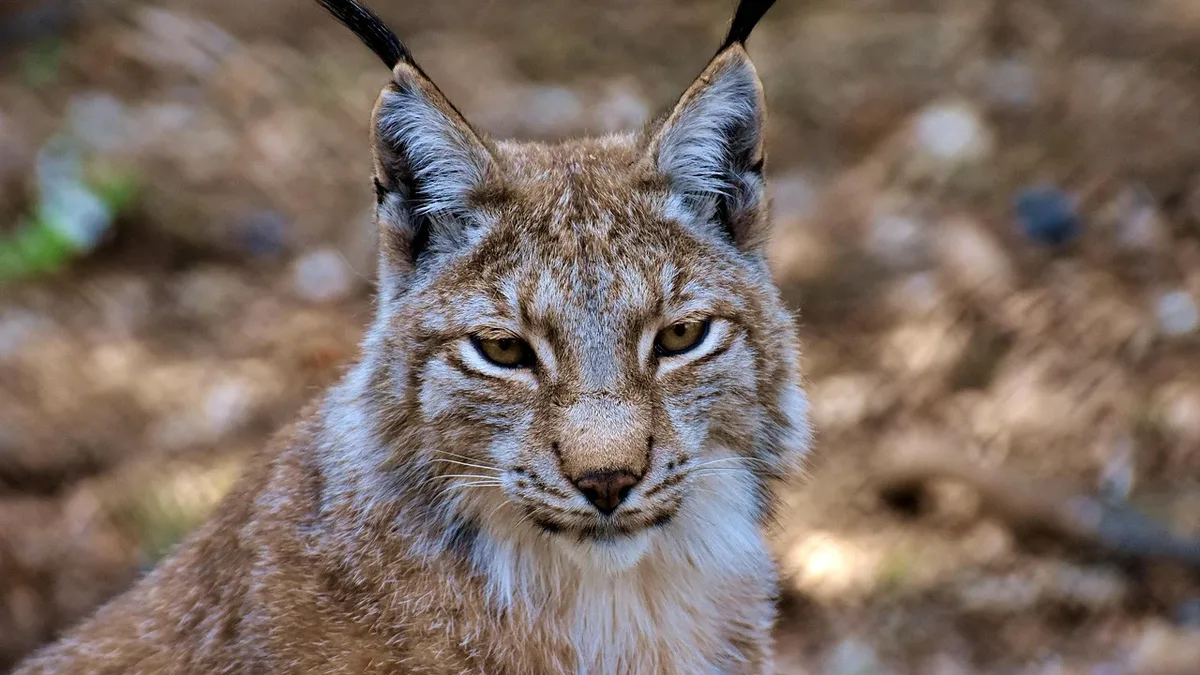
Eurasian and Iberian Lynx Populations Recover Across Europe
Europe's two lynx species are rebounding through rewilding efforts, with the Iberian lynx population now over 2,600 and the Eurasian lynx estimated at
Rewilded Larkrise land thrives with wildlife
A 10-acre rewilding project on poorly drained land in Cornwall shows vigorous growth and increased biodiversity, with young oaks thriving and new...
EU permit reforms risk nature and public
The European Commission is pushing reforms to fast-track 'strategic' industrial projects, weakening environmental checks and public scrutiny, a move...
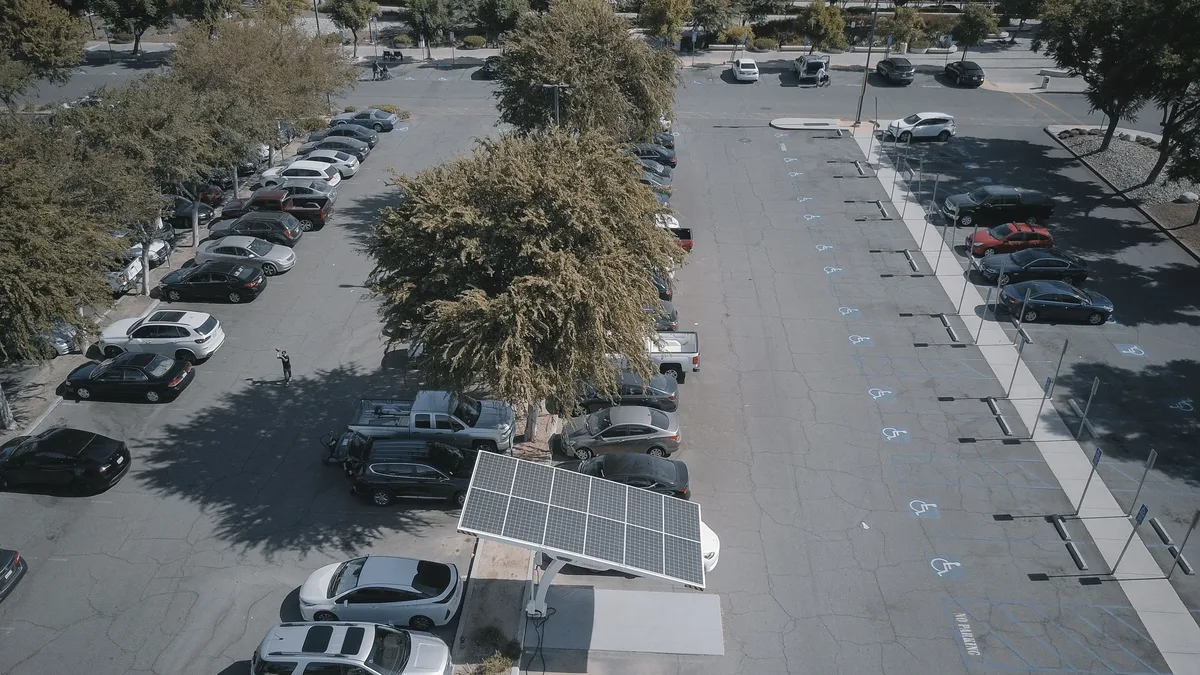
Architects convert car spaces into climate
The European Prize for Urban Public Space shortlist features five projects transforming roads and parking lots into green spaces and cooling areas to...

Finland's Isosuo peatland restoration joins European network
The Isosuo peatland restoration project in southern Finland has joined the European Rewilding Network, aiming to share knowledge and scale up...
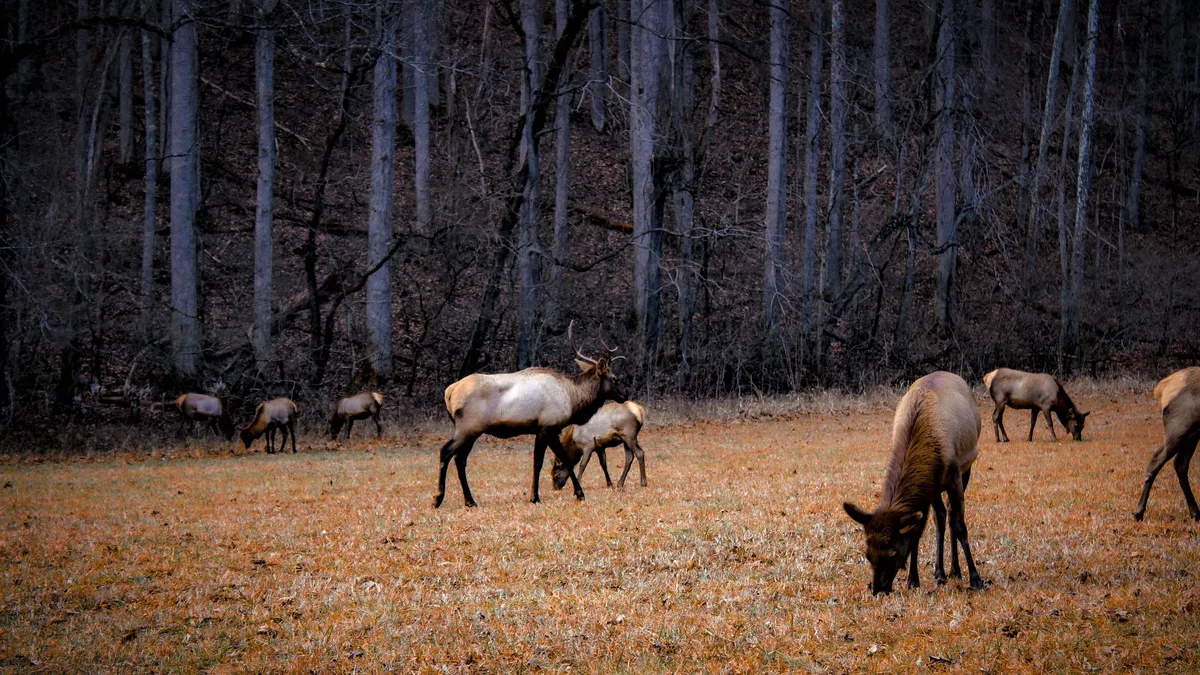
Rewilding Europe Advocates Nature-Based Climate Resilience
Rewilding Europe argues that restoring natural processes like wetland rewetting, natural grazing, and diverse forests is a cost-effective strategy to