Grazing sustains soil carbon in Iceland's
A study in Iceland's subarctic grasslands finds that continued livestock grazing enhances soil carbon storage, challenging the assumption that removing
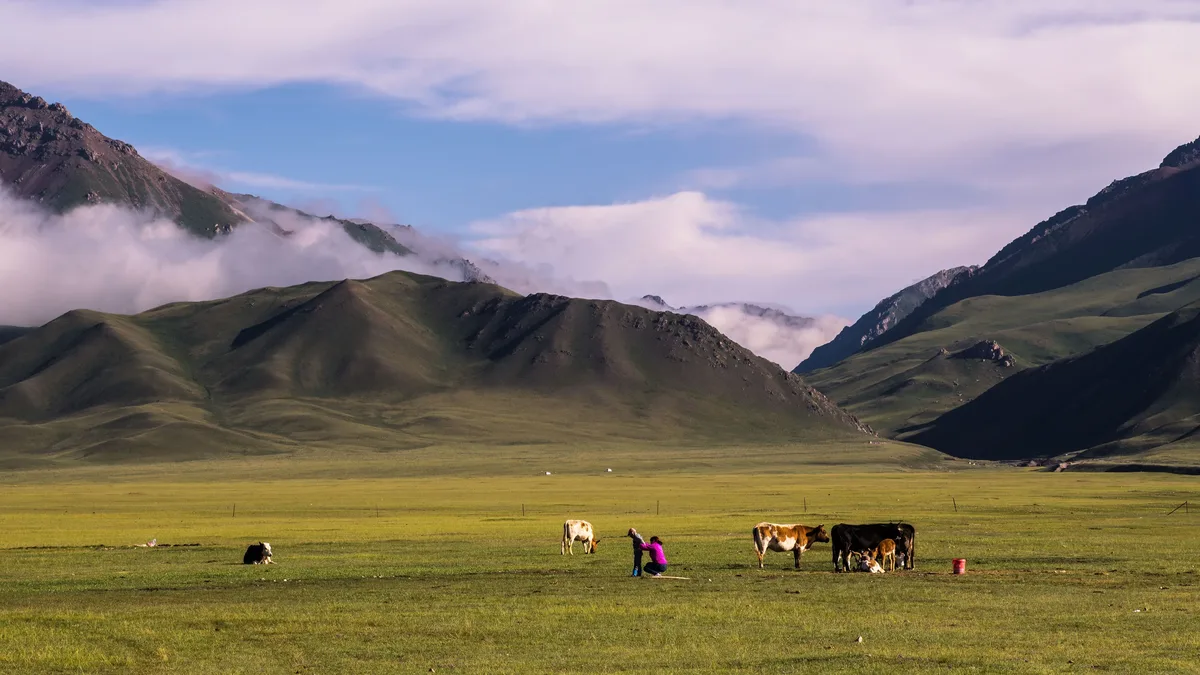
A new study reveals that livestock grazing may enhance soil carbon storage in subarctic grasslands, contradicting common assumptions about land management and climate change. The research 2026, found that long-term grazing abandonment in Iceland led to lower soil carbon levels, while areas with sustained grazing maintained higher carbon stores.
Grassland plants transfer significant carbon to the soil through their roots, where it can be stored long-term. Conventional wisdom often suggests that removing grazing animals benefits carbon sequestration. However, evidence from real-world, long-term grazing cessation in Iceland shows the opposite effect.
The Icelandic grassland study
Researchers analyzed subarctic grasslands in Iceland where grazing had been stopped for extended periods. They compared these sites to areas where livestock grazing continued. The team discovered that grazing abandonment consistently resulted in reduced soil organic carbon. Continued grazing, by contrast, was linked to higher soil carbon storage.
Long-term cessation of grazing also promoted ecological shifts. The vegetation in abandoned areas changed to types associated with lower soil carbon content. This shift further contributed to the overall reduction in carbon storage.
Implications for climate policy
The findings challenge existing assumptions about grassland management for climate mitigation. "The findings have important implications for climate policy, nature-based solutions, and sustainable grassland management worldwide," said corresponding author Anna Gudrun Thorhallsdottir, a professor at the University of Iceland at Holar. She emphasized that the research highlights the potential importance of grazing to sustain grasslands and enhance soil carbon storage.
This study directly informs debates on nature-based solutions to climate change. It suggests that policies promoting the complete removal of livestock from some grassland ecosystems could inadvertently undermine long-term carbon storage goals.
A global perspective on grazing
The research adds to a growing body of evidence that grazing dynamics are complex and context-dependent. While overgrazing can degrade land, the complete absence of grazers can also lead to undesirable ecological changes that reduce ecosystem services like carbon sequestration.
For sustainable management, the study implies that maintaining a balanced grazing regime may be key for preserving both grassland biodiversity and their function as carbon sinks. The work shows the need to base climate and land-use policies on localized, empirical evidence rather than broad assumptions.
The full study, "Sustained Livestock Grazing Enhances Soil Organic Carbon Storage in Sub-Arctic Grassland," is available with the DOI 10.1002/gcb4.70049.