Heatwave Deaths and F-Gases Reveal Climate-Chemicals Nexus
A European heatwave caused thousands of deaths and massive wildfires, with a new report arguing the crises of climate change and chemical pollution are

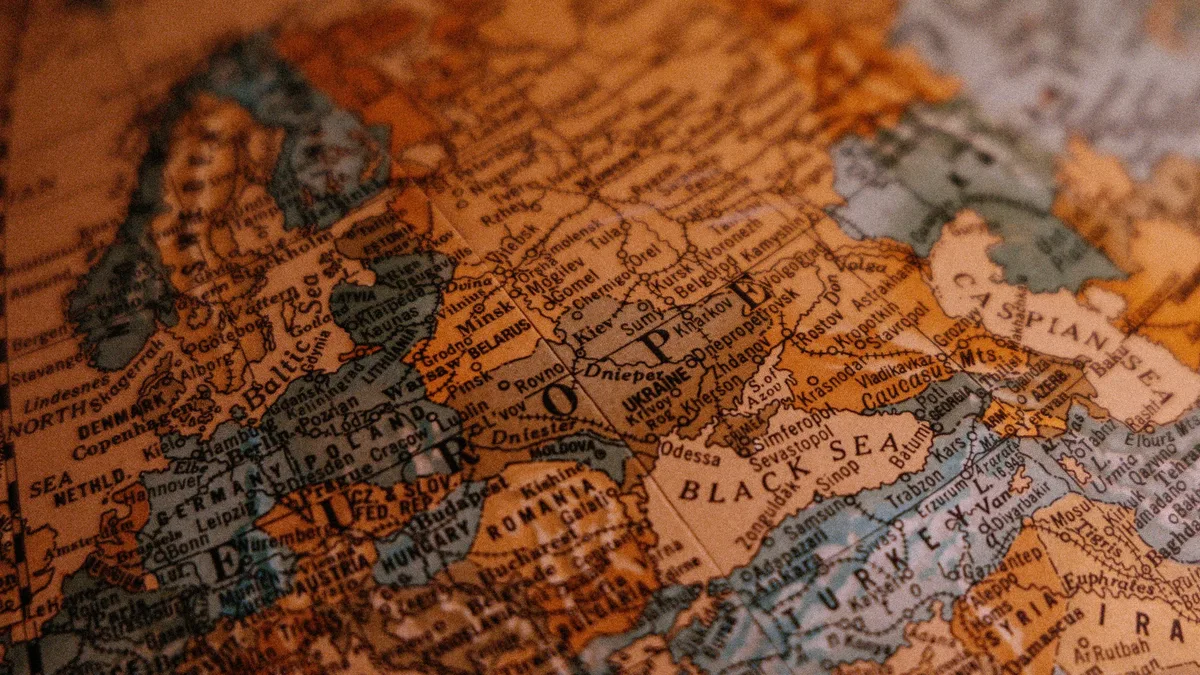
At least 12,000 excess deaths occurred in Europe due to a recent record-breaking heatwave, with Belgium experiencing the highest excess mortality. The World Meteorological Organization states Europe has warmed around 2 degrees Celsius in the 50 years since 1976, making it the fastest-warming continent.
Wildfires burned 2.2 million hectares in the WHO European Region in 2025, a 57% increase in four years. In France, a fire in Gironde burned 42,000 hectares in five days, displacing 220,000 people. Spain's Ecological Transition Minister Sara Aagesen called a fire in Ávila, which consumed over 50,000 hectares, the largest in the country's history, prompting a national emergency.
The Interlinked Climate and Chemicals Crisis
A report from the European Environmental Bureau (EEB) argues that framing heatwaves solely as a climate issue hides a deeper problem. The chemical industry is a major driver, consuming 21.5% of EU industrial energy in 2023 and responsible for about 5% of the bloc's total net greenhouse gas emissions in 2021. Nearly all synthetic chemicals and plastics are derived from fossil fuels, creating structural dependence.
Climate breakdown amplifies the risks from chemical pollution. Droughts, floods, and storms can mobilize widespread contamination. Conversely, chemical outputs can worsen climate change. The breakdown of ocean plastic interferes with carbon absorption, and fluorinated gases (F-gases) used in cooling have a very high global warming potential.
Problematic Adaptation and Maladaptation
A common response to extreme heat is the rapid deployment of air conditioning (AC). Europe is on course to install tens of millions more units this decade. The EEB states that while AC can prevent suffering and death during a heatwave, mass deployment without conditions risks 'maladaptation'.
The European Environment Agency argues heavy use of active cooling is inefficient, increases energy demand, and is socially inequitable. Those least able to afford AC and the electricity to run it-the elderly, the ill, people in poorly ventilated homes-are most likely to die in a heatwave. The report insists cooling must arrive as public provision, prioritizing hospitals, care homes, social housing, and schools.
A major chemical problem lies in the refrigerants. R-410A, common in European AC units, warms the atmosphere around 2,000 times more than the same mass of CO2. Emerging alternatives like hydrofluoroolefins have lower global warming potential but break down into trifluoroacetic acid (TFA), a persistent, short-chain PFAS pollutant.
Locked-In Risks from False Solutions
The report criticizes other technological solutions marketed for climate mitigation, arguing they reinforce fossil fuel dependence and create new risks. It states some forms of chemical recycling can emit up to four times more greenhouse gases than landfilling plastic, while only 1% to 14% of input plastic is retained for new products. These processes are highly energy-intensive.
Carbon Capture and Storage (CCS) is also faulted for often relying on toxic solvents and being used to justify continued fossil fuel extraction. The EEB concludes that the EU's Clean Industrial Deal, by equating 'clean' solely with 'decarbonised' and ignoring the toxic-free dimension, risks being a 'rather dirty deal' that overlooks how chemical pollution exacerbates the climate crisis.