Traffic noise silences endangered gibbons'
A study in Malaysia finds white-handed gibbons near a highway sing far less often than groups in quieter areas, raising concerns that noise pollution

White-handed gibbons living near a Malaysian highway called in only 36% of morning recordings. This is far less than groups in a quieter seaside location and near a hiking trail, according to new research.
A study led by Benjamin Galea, a PhD student at Universiti Sains Malaysia, recorded morning calls over weeks in 2023 and 2024. The research compared gibbon groups in three areas with different noise levels: a site bordering a highway, a popular hiking trail, and a secluded beachfront. The work, which is yet to be peer-reviewed, found a clear link between human-generated noise and reduced singing.
Noise levels correlate with singing frequency
Galea's analysis showed the likelihood of gibbons calling decreased as background sound increased. The group exposed to continual highway noise was the quietest. The research recorded calls from 6am until 1pm.
| Location Type | Call Occurrence in Recordings |
|---|---|
| Highway Border | 36% |
| Seaside | 71.4% |
| Hiking Trail | 84.6% |
Nadine Ruppert, an associate professor at Xishuangbanna Tropical Botanical Garden who supervised the research, explains the importance of the songs. "Their songs are not just background noise or a way of announcing their presence." she says.
Potential impacts on gibbon behavior
The highway group's silence could be an avoidance strategy. Galea suggests the gibbons might be singing earlier, before recordings started at 6am. This shift could interfere with other essential activities like resting or foraging. When the noisy-site gibbons did sing, 93.3% of their phrases were solo performances. Galea speculates traffic noise may hinder coordination between mates.
If noise discourages singing, it could impair territory defense, mate attraction, and predator warnings. Ulrich H Reichard, a professor of anthropology at Southern Illinois University Carbondale, questions the threshold. "One important question that we have to ask is how much calling is necessary for successful communication," says Reichard, who was not involved in the study.
Broader ecological consequences
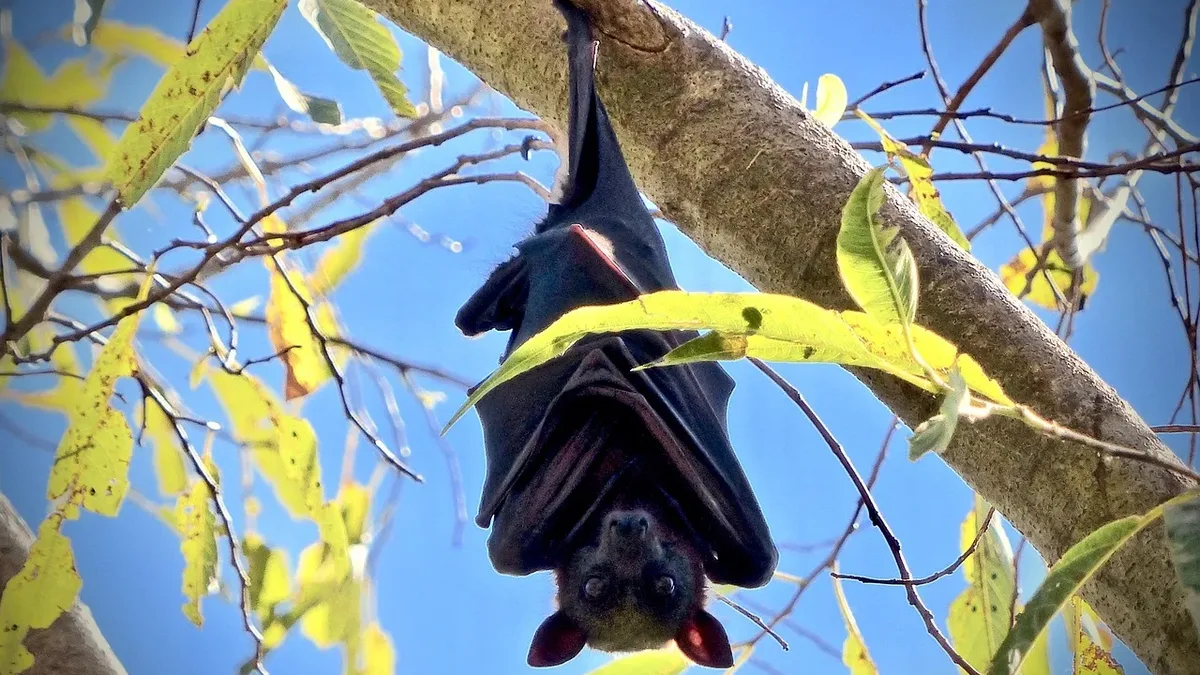
The disruption may extend beyond gibbons. Reichard notes that other species, like birds and squirrels, appear to recognize and respond to gibbon alarm calls. If you have interspecies communication, even if one species shifts their common behaviour, then that will impact the others, he says. The research adds to evidence that noise pollution disrupts animal routines, affecting bats' foraging and bird survival.
White-handed gibbons are listed as endangered by the IUCN. Their population has declined more than 50% over 45 years due to habitat destruction and hunting. In Malaysia, they persist in isolated forest fragments within urban areas, including Kuala Lumpur. These fragments may look like good habitat but are often encircled by disruptive noise sources.
Ruppert argues for a broader view of habitat quality in conservation. It is not only about how much forest is left, but also about what the animals experience within that forest. As human development encroaches further, understanding these acoustic impacts becomes increasingly urgent for the survival of these vocal primates.