Integrated landscape management can reduce Mediterranean
A study led by the University of Göttingen argues for a shift from reactive firefighting to proactive landscape design, combining grazing, controlled
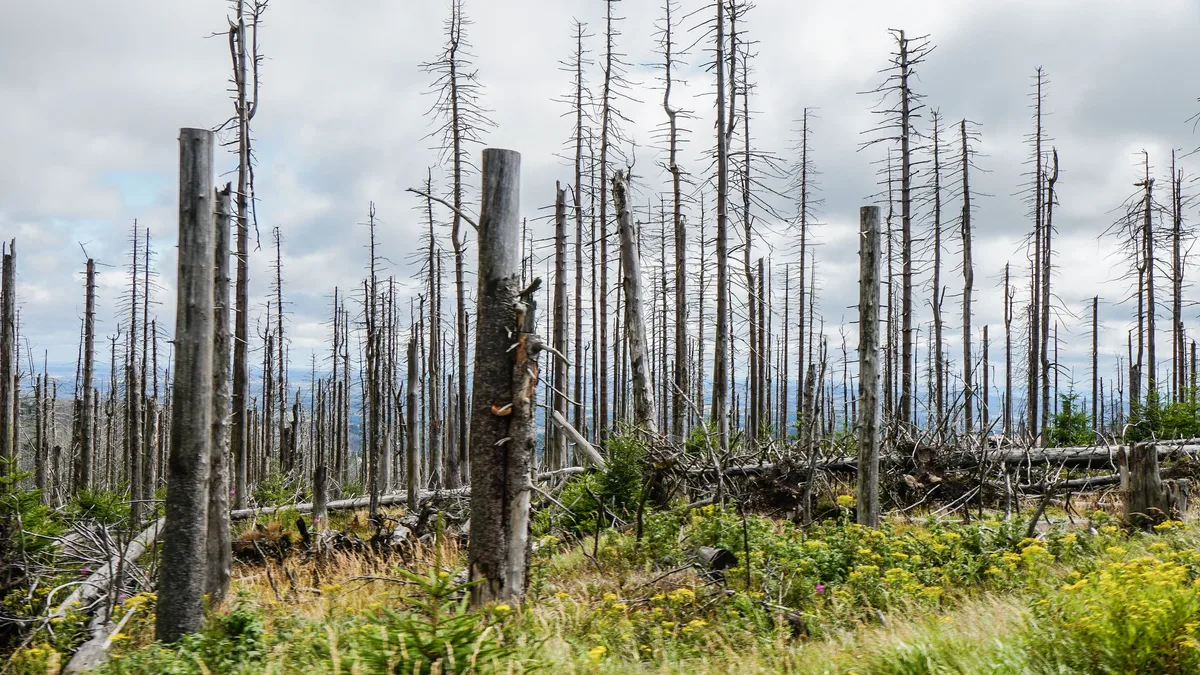
Wildfires in the Mediterranean are growing drastically more intense, pushing firefighting efforts to their limits. An international research team, led by the University of Göttingen and the University of Kassel, is now calling for a fundamental new strategy published in the journal iScience on September 4, 2026.
The researchers propose that wildfire prevention must be planned in conjunction with nature conservation, agriculture, and rural development. They investigated ten landscape planning initiatives across the Mediterranean to see how they affected fire risk.
Combining land use strategies
Initiatives that mixed different forms of land use proved most successful. These included extensive grazing with cattle, sheep, and goats to reduce flammable plant material. Controlled burning was another key tool. The most effective programs actively involved various social groups-from farmers and foresters to conservationists, scientists, and fire services-in a continuous process of refining measures.
Dr. Elsa Varela from the Spanish National Research Council (CSIC), who coordinated the study, explained the findings. "Wildfires are not only a problem for the forestry sector, but the result of complex interactions between climate, land use and societal developments," Varela said. "Our findings show that successful wildfire prevention combines ecological, economic and social objectives and brings relevant stakeholders together."
The study advocates a shift from a reactive firefighting model toward a long-term, preventive approach to designing resilient landscapes.
The need for stable partnerships
Professor Tobias Plieninger, also from the Chair of Socio-Ecological Interactions in Agricultural Systems at the Universities of Göttingen and Kassel, emphasized the broader benefits. "A new landscape-based approach offers the opportunity to combine wildfire prevention with biodiversity conservation and sustainable land use," Plieninger stated. This leads to solutions that are both ecologically effective and socially acceptable.
Achieving this, however, requires stable partnerships, long-term funding, and joint learning processes between science, policy, and on-the-ground practice. The research highlights that collaboration is not a secondary concern but a core component of effective risk mitigation.
A mosaic of solutions
The 'Mosaico Extremadura' initiative in northern Spain serves as a prime example. It aims to restore a diverse mosaic landscape where agriculture and forestry intermingle. This variety breaks up continuous fuel loads, reducing the risk of catastrophic fires. Goat farming is revived as part of this diversified land use.
This integrated method treats the landscape as a whole system. Fire prevention becomes woven into the fabric of land management, rather than being a separate emergency task. The approach capitalizes on existing rural activities, turning them into tools for ecosystem protection.
The study concludes that the escalating fire threat demands this fundamental rethink. Building fire-resilient Mediterranean landscapes depends on weaving together grazing, controlled fire, and sustained collaboration.