North Sea film reveals hidden marine life
A new documentary, 'North Sea, Nature Untamed', shows the region's overlooked biodiversity and examines the complex effects of fishing and windfarm
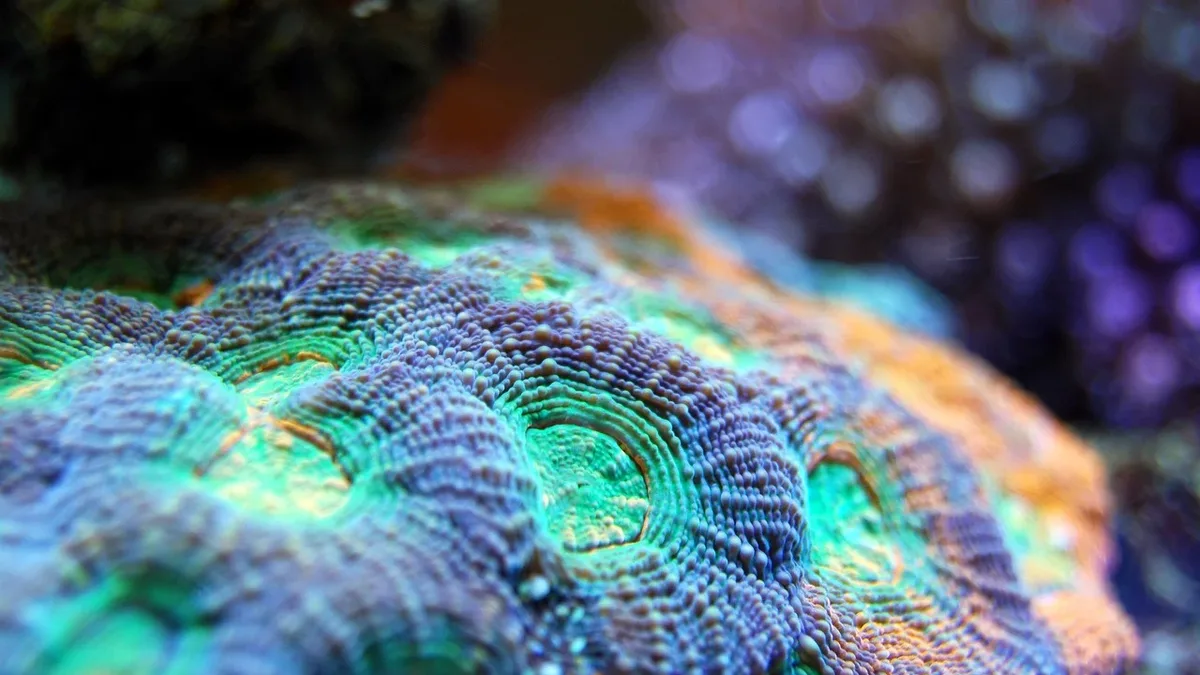
Dutch cinematographer Peter van Rodijnen and director Mark Verkerk have spent seven years making the first major documentary film about the North Sea's underwater world. Their film, 'North Sea, Nature Untamed', reveals a vibrant ecosystem of starfish, lobsters, kelp forests, seals, and basking sharks, challenging perceptions of the sea as a lifeless, murky body of water.
Van Rodijnen, inspired by Jacques Cousteau, dedicated over two decades to filming the North Sea near his Dutch home. He partnered with Verkerk nearly a decade ago. The film-makers faced extreme challenges, with four out of every five planned dives cancelled due to rough seas, poor visibility from plankton blooms, strong currents, and cold water. Van Rodijnen noted that each dive allowed only 20 to 30 minutes of filming due to depth and scuba limitations.
A hidden wilderness revealed
The documentary aims to show the entire marine system at work. It features charismatic species like orcas and bluefin tuna, but also highlights foundational creatures like shorthorn sculpins, which nurse their eggs. Verkerk states the big idea is to show the whole system supporting life. Unlike some British natural history films, this documentary explicitly includes humans as key engineers of the ecosystem, for both good and ill.
The fishing dilemma
The film documents the ongoing impact of fishing. It follows Van Rodijnen onto a Dutch fishing boat that uses sustainable methods, avoiding destructive beam or bottom trawling. Even there, he is distressed to see sharks and rays discarded as bycatch, calling them his "film stars." Later, on an industrial mackerel boat off Shetland, the scale is vast, with thousands of fish processed. Orcas follow the boat, consuming escaped mackerel. Van Rodijnen says he finds the images upsetting but gained understanding by living with the fishers.
He opposes bottom trawling and bycatch but notes the mackerel fishery uses nets that don't damage the seabed and appears to catch few non-target species. In this case, he says fishing quotas "seem to work." However, he advocates for better protection of marine life and expresses concern that nations like the Netherlands, Denmark, and Norway could revive destructive deep-sea mining.
Windfarms: noise and new reefs
The film explores the offshore windfarm boom's dual impact. Verkerk explains that construction creates pounding noise, which can be 20 times louder underwater, affecting marine life from whales to fish egg development. However, an unforeseen positive effect has emerged. Van Rodijnen dived on rocks accidentally dropped from a ship 30 years ago, similar to those used in windfarm bases. They have become artificial reefs.
With bottom trawling banned within windfarm zones, these areas have become de facto marine parks. Van Rodijnen observes that more such mini reefs could flourish. "Give nature a chance and it responds," he says. He advises keeping a constant eye on the system's reaction but concludes windfarms "can absolutely have a positive effect on marine life."
The film has been touring for two years in several European countries and is now attracting interest globally. Verkerk notes the North Sea, while seemingly underwhelming, faces acute versions of global ocean problems, leading in both exploitation and potential solutions. Van Rodijnen hopes the film sparks wonder, love, and understanding for what lies beneath the surface.