Restore buys Emblehope Moor for £8.5m
Restore has purchased the 7,500-acre Emblehope Moor in Northumberland for £8.5 million, aiming to rewild the site and eventually transfer it to community
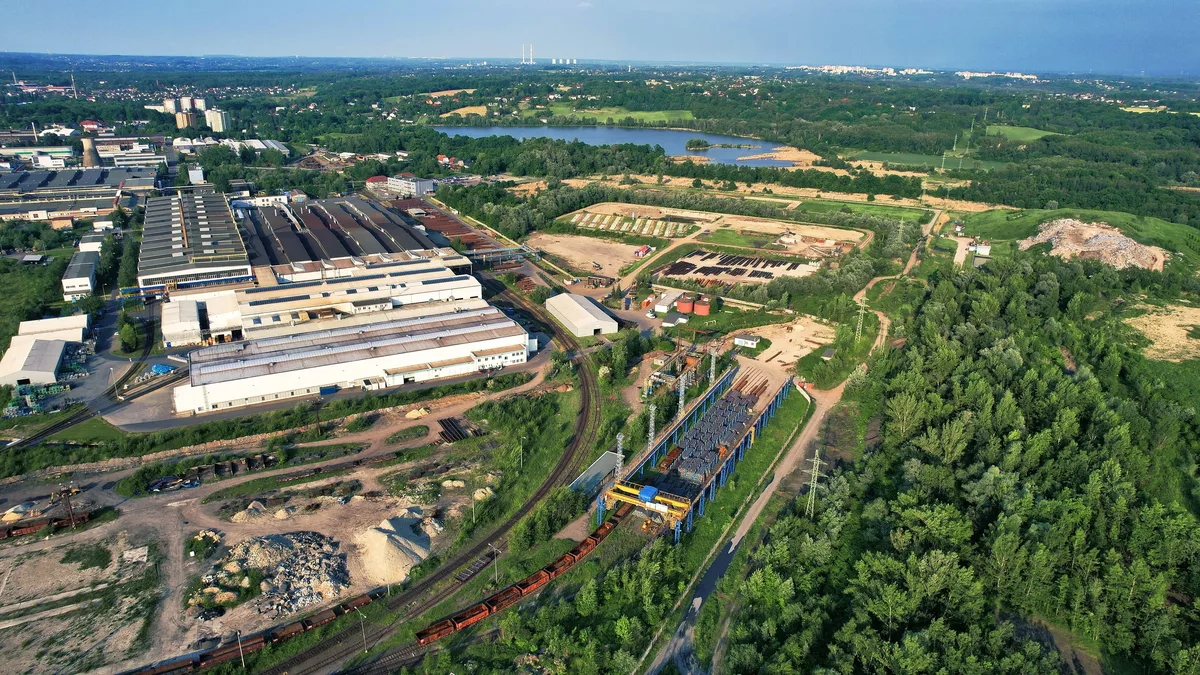
Restore, a nature restoration company, has purchased 7,500-acre Emblehope Moor in Northumberland for £8.5 million. The site is the largest contiguous rewilding area under single ownership in England.
The aim is to restore golden eagles, curlews, black grouse, and beavers to the moor, which was previously used for grouse shooting, sheep farming, and dog training. After a 20-year scheme, which still requires £4 million in funding, the project plans to deliver biodiversity and financial returns before handing the land over to local community or charitable ownership. A £4.5 million loan from Triodos Bank enabled the purchase.
"We want to prove that the bank is paid back, investors get their two-times return but we don’t need to become the next for ever laird," said Benedict Macdonald, Restore's founder. "We’re keen to leave a well-funded community project for the future." He described the model as both capitalist and community-focused, aimed at taking greed out of land acquisition. Environmentalist Ben Goldsmith has likened the cluster of wild estates in Northumberland to "Britain’s Yellowstone."
Ecological Challenges and Initial Steps
Emblehope is already a Site of Special Scientific Interest with raptors like merlin and golden eagles, alongside trout, salmon, red squirrels, and pine martens. Restore's first tasks are to rewet parched peatland and remove non-native sitka spruce plantations.
A hidden network of land drains has left the peat dry. Modelling suggests rewetting could store an additional 100,000 cubic metres of water. "It’s going to be a massive exercise to identify the exits of water from the land," said Macdonald. Future plans involve using beavers to help retain water.
A more immediate fire risk comes from dry grassy thatch. Restore plans to introduce Exmoor ponies to graze this down. This grazing will also help open the habitat for species like curlew chicks, which struggle in thick grass.
Managing the Landscape and Species
The removal of dense sitka spruce plantations will reduce unnaturally high predation from goshawks. While this will affect species like long-eared owls and crossbills, these birds remain in the vast neighbouring Kielder Forest. Restore will leave patches of older trees but must manage wind-blown sitka seeds, dubbed "little shitkas." Broadleaved screens will be planted as a barrier.
Despite promotional videos showing lynx, Restore has no funded plans to reintroduce the predator. A survey suggests 72% of local people support lynx reintroduction, but many sheep farmers are opposed. "We have no wish to be in the reintroduction party," said Macdonald, though he acknowledged a compelling economic argument from potential tourism.
Funding and Operations
Restore will fund the transformation through forestry income, livestock, future education and eco-tourism, and government environmental payments. The company expects most income to come from natural capital payments.
These include carbon credits for restored peat bog and "30x30 Restore units," where corporations pay for the restoration of specific habitat patches. Macdonald compared corporate sponsorship of the project to sponsoring major global sporting events.
Despite its rewilding goals, Restore has retained the estate's existing farmer and gamekeeper. Macdonald praised their deep knowledge of the land and open-mindedness, noting the gamekeeper has managed some of Britain's highest densities of birds of prey.
The project is part of a broader movement in Northumberland, which includes the Wildlife Trusts' £30 million appeal for the Rothbury estate and other private restoration efforts at College Valley and Hepple Wilds.