UK solar panels save £400 in cloudy areas
Households in Great Britain's cloudiest regions can save over £400 annually on electricity bills with rooftop solar panels, according to new analysis.
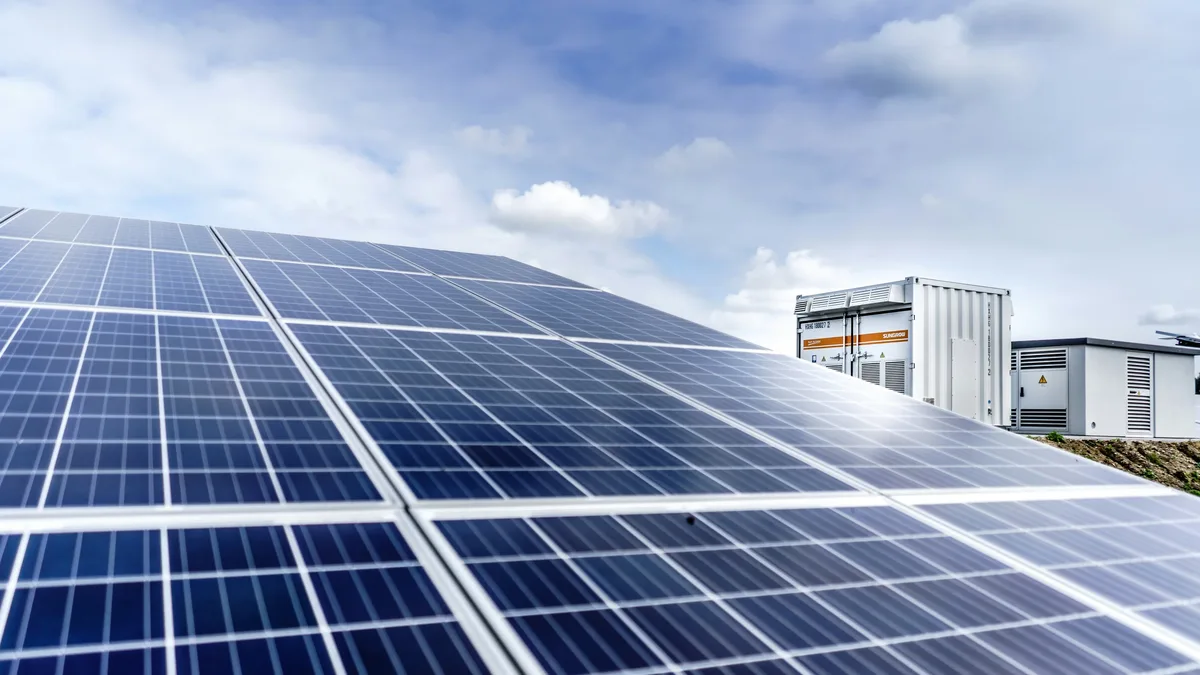
Households in Great Britain's cloudiest regions could save more than £400 a year on energy bills by installing rooftop solar panels. This finding comes from an analysis conducted for the Guardian by the UK solar firm Recharge Renewable.
Rising wholesale electricity prices have increased the potential savings from home solar systems in recent years. At the same time, the cost of installation has continued to fall. This combination has led to a significant increase in demand for rooftop solar.
Regional savings potential
The analysis shows that savings vary significantly by region, influenced by local sunshine levels. In areas with the fewest sunny days, annual savings on the average household electricity bill are about £450. In the brightest areas, savings can exceed £600.
The figures from Recharge Renewable provide specific estimates for major cities across Great Britain.
| Region (based on city) | Estimated Annual Saving |
|---|---|
| Southern Scotland (Glasgow) | £440 |
| North-west England (Manchester) | £463 |
| Southern England (Brighton) | £571 |
| Southern England (Southampton) | £618 |
Solar capacity and generation boom
The potential for bill savings has grown as conflict in Ukraine and the Middle East has compounded Britain's rising electricity prices. This has triggered a boom in rooftop solar installations. Large-scale solar farm development has also increased under the Labour government, which aims to triple the UK's solar farms by 2030.
A Guardian analysis of official government figures found more new solar power installations in the first half of this year than in any six-month period since 2011. That was the year the UK built its first large-scale solar farm in Cornwall.
Most new panels are on household rooftops. These smaller installations make up slightly less than a third of the country's total solar power capacity. The increased capacity allowed solar power to supply 14.4% of Great Britain's electricity in July, a record monthly high. Some parts of the UK recorded almost twice the average sunshine hours for the time of year. The summer heatwaves, made more severe by the climate crisis, drove this rise.
System setup and costs
Recharge Renewable warned that households must consider their specific rooftop setup and regional potential to achieve savings. The Somerset-based provider's analysis used the typical output from a standard, south-facing 4kW system and average household energy use. It adjusted figures for 14 regions using satellite imagery to measure annual sunshine and accounted for varying electricity rates.
“Even in cloudier parts of Britain, a typical 4kW system can still be worth around £450 a year in electricity used at home under the current price cap,” a company spokesperson said. “The catch is that this is the value of the units displaced, not a finished bill, and a north-facing or shaded roof will not match a modelled south-facing array.”
The calculations assume households use only 50% of the electricity they generate annually and do not include battery storage. This means bill payers who use more solar power by working from home or timing appliance use for daylight could save even more.
However, a typical 4kW solar system costs about £7,000, even after the government removed VAT for solar upgrades. This high upfront cost puts it out of reach for many families. It has prompted calls for government intervention to make rooftop solar more affordable for people on lower incomes. Last week, plug-in solar panels went on sale in the UK for the first time, offering an option for households unable to install rooftop systems to generate power from balconies.