Carbon In Peat, Soil And Blue Carbon Habitats
| Ecosystem type | Carbon sink |
|---|---|
| Original use | Natural carbon sequestration and storage |
| Protection status | Often designated as protected areas under national laws and international agreements (e.g., Ramsar, UNFCCC) |
| Carbon storage capacity | Very high per unit area |
| Primary threat | Drainage and land-use change |
| Restoration potential | Possible but often slow and complex |
| Key constituent habitats | Peatlands, salt marshes, seagrass meadows, mangrove forests |
Origin and history
The carbon stored in peatlands, soils, and blue carbon habitats is a natural phenomenon, not a human invention, with origins spanning the globe. Peatlands began forming in northern latitudes after the last glacial retreat, a process starting broadly in the early Holocene epoch over ten thousand years ago. Coastal blue carbon ecosystems, such as mangroves and seagrass meadows, have existed in their modern forms for millennia, evolving with changing sea levels. The deep, organic-rich soils of grasslands and forests have accumulated carbon over centuries through the cyclical growth and decomposition of plant matter. The conceptual grouping of these distinct reservoirs under the terms "peat carbon," "soil carbon," and "blue carbon" emerged in the late 20th and early 21st centuries within climate science. This framing was developed to quantify and communicate their critical role in the global carbon cycle for policy and conservation purposes.
What it is for
These ecosystems serve as long-term, natural carbon sinks, removing carbon dioxide from the atmosphere and storing it in biomass and sediments. Peatlands, when waterlogged, inhibit decomposition, allowing dead plant material to accumulate as peat over millennia, thus locking away carbon. Agricultural and grassland soils store carbon as organic matter, which also enhances soil fertility, water retention, and overall agricultural resilience. Blue carbon habitats like mangroves, salt marshes, and seagrass beds sequester carbon at rates often exceeding those of terrestrial forests and bury it in underwater sediments for centuries. Beyond carbon storage, these ecosystems provide vital co-benefits including coastal protection from storms, water filtration, support for fisheries, and biodiversity conservation. Their preservation and restoration are therefore considered a key natural climate solution, integral to both climate mitigation and adaptation strategies.
Overview
Carbon in peat, soil, and blue carbon habitats refers to the organic carbon stored across three major types of ecosystems: terrestrial peatlands, various soil types, and coastal marine environments. Peatland carbon is stored primarily in the thick layers of partially decomposed plant matter (peat) found in water-saturated conditions from tropical swamps to northern bogs. Soil carbon encompasses the organic matter within mineral soils in forests, grasslands, and agricultural lands, which is more vulnerable to disturbance. Blue carbon is the carbon captured and stored by ocean and coastal ecosystems, notably in the living biomass of mangroves and the deep, anoxic sediments beneath seagrass meadows and salt marshes. The condition of these reservoirs is highly variable, with many degraded by drainage, conversion to agriculture, coastal development, and pollution, leading to significant carbon emissions. Protection regimes aim to conserve intact areas through designations like protected areas and Ramsar sites, while restoration programs seek to rewet peatlands and replant mangroves to re-establish carbon sequestration functions.
What to know
It is critical to understand that these carbon stores are not permanent if the ecosystem is degraded; draining a peatland or clearing a mangrove converts it from a carbon sink to a major source of greenhouse gases. The carbon density in peatlands, particularly permafrost peatlands, is exceptionally high, meaning their disturbance can release carbon stocks that took millennia to accumulate over very short timescales. Soil carbon is highly manageable through agricultural practices like cover cropping and reduced tillage, offering a pathway for enhanced sequestration in working lands. Blue carbon ecosystems, while covering a small geographic area, have disproportionately high carbon sequestration rates per unit area and provide essential coastal protection services. International frameworks like the Paris Agreement and national inventories increasingly recognize the importance of accounting for and protecting these natural carbon stocks. Measurement, reporting, and verification (MRV) of carbon in these systems is complex, requiring scientific expertise to accurately quantify stocks and fluxes, which is a current focus of research.
Common questions
A common question is whether these natural carbon sinks can offset all human emissions; they cannot, as their capacity is limited and they must be protected in addition to drastic fossil fuel emission reductions. People often ask which ecosystem stores the most carbon; intact tropical peatlands and mangrove forests are among the most carbon-dense ecosystems on Earth on a per-hectare basis. Many inquire if planting trees is always better for carbon; on organic soils like peat, rewetting and restoring natural vegetation is often more effective for climate mitigation than tree planting, which can require drainage. A frequent query concerns the permanence of blue carbon; while sediments can store carbon for millennia, these habitats are threatened by sea-level rise, warming oceans, and coastal development, which can reverse sequestration. People question if agricultural soils can be a major solution; while improved management can sequester carbon, the potential is finite and reversible, and it does not replace the need to protect native ecosystems. There is also debate about the inclusion of oceanic blue carbon (like open ocean processes); current policy frameworks primarily focus on coastal vegetated ecosystems due to clearer management pathways and carbon accounting.
Pros and cons
A significant pro is the multitude of co-benefits; protecting a mangrove forest for carbon also safeguards fisheries, protects coastal communities from storms, and conserves biodiversity. Another advantage is the potential for these ecosystems to contribute to national climate targets under international agreements, providing a rationale for conservation funding. A major con is the high vulnerability of these stocks to irreversible loss; once a peatland is drained and burned or a seagrass meadow is dredged, recovering the lost carbon can take centuries. A common mistake is prioritizing short-term land use value, like palm oil on peat or shrimp ponds in mangroves, over the long-term climate and ecosystem services, leading to regret when damages from fires or erosion occur. Another drawback is the complexity and cost of accurate monitoring, which can lead to overstated claims or poorly designed projects that fail to deliver lasting carbon benefits. Projects can also face social equity issues if local communities' rights and livelihoods are not integrated, leading to conflict and ultimately project failure.
Who it suits
This approach suits national governments and land-use planners seeking to meet climate commitments through natural solutions that also deliver on biodiversity and sustainable development goals. It is critical for the agricultural and forestry sectors, where adopting practices that enhance soil carbon can improve resilience and productivity while contributing to climate mitigation. Conservation organizations and NGOs find it a compelling framework to secure funding and policy support for protecting and restoring wetlands, grasslands, and coastal areas. Corporate entities pursuing credible net-zero strategies may invest in high-integrity peatland or blue carbon projects to address hard-to-abate emissions, provided they prioritize science-based approaches. It suits scientists and researchers focused on biogeochemistry, ecology, and climate policy, where understanding these systems is central to modeling future climate scenarios. Finally, it is essential for communities living in and around these ecosystems, as their stewardship is often the most effective protection regime, aligning carbon outcomes with local well-being.
Latest Carbon In Peat, Soil And Blue Carbon Habitats news
Latest reporting
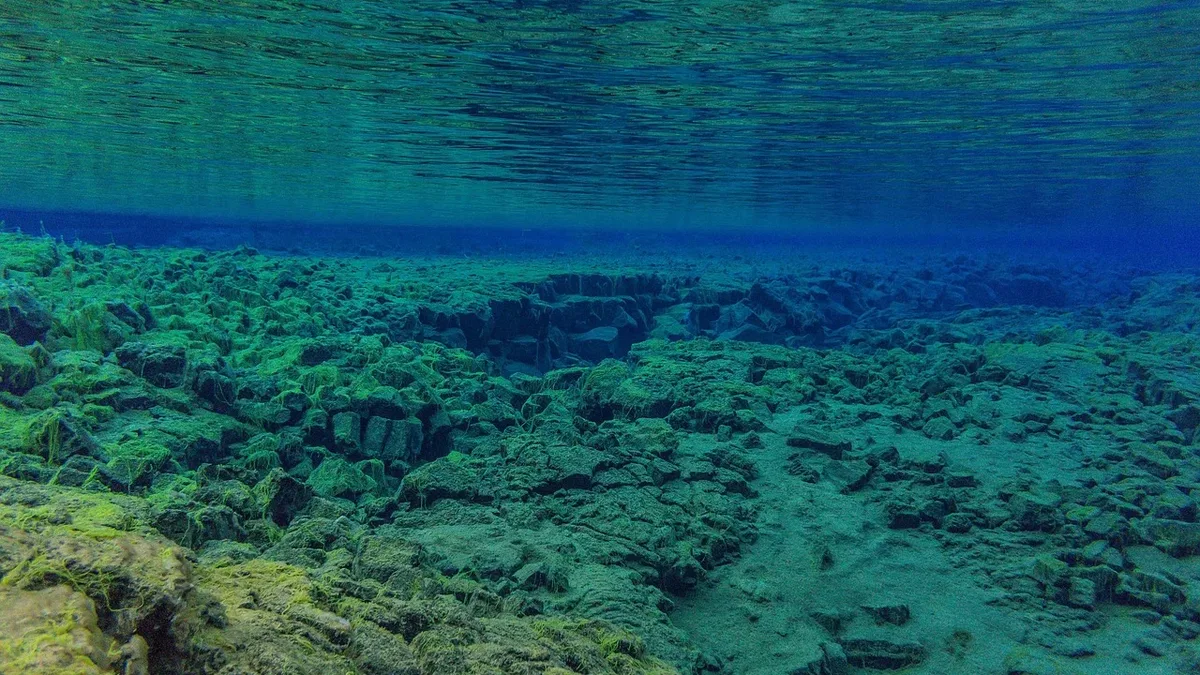
Seafloor integrity vital for Earth's carbon
A new scientific report warns that human activities like bottom trawling and deep-sea mining are damaging the seafloor, threatening its key role in...
European Project Charts Paths to Climate-Resilient Land
A four-year European research project has identified three key strategies for making soil and water management more resilient to climate change...
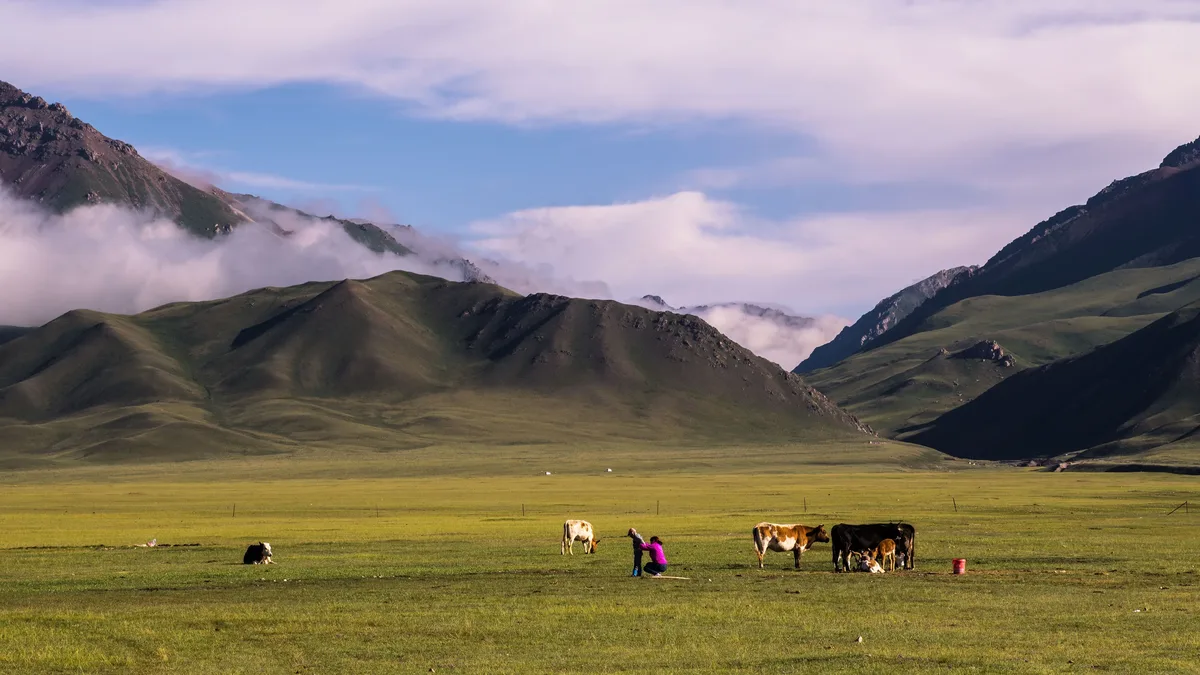
Grazing sustains soil carbon in Iceland's
A study in Iceland's subarctic grasslands finds that continued livestock grazing enhances soil carbon storage, challenging the assumption that...

National Academies report flags marine
A new digital report from the National Academies of Sciences, Engineering, and Medicine states that marine carbon dioxide removal is advancing but...

Wildlife Trusts warn of nature access crisis in England
New analysis reveals 44% of English constituencies have poor access to green or blue space, with the Wildlife Trusts comparing the crisis to...

Carbon credit groups lobby UN to weaken new
A coalition of carbon credit developers, corporate buyers, and major conservation NGOs is lobbying UN regulators to weaken proposed new rules...