European Environment Agency
| Official name | European Environment Agency (EEA) |
|---|---|
| Established | 1994 |
| Headquarters location | Copenhagen, Denmark |
| Member countries | EU member states plus several cooperating countries |
| Area of operation | Pan-European region |
| Original purpose | To provide independent information on Europe's environment |
| Governing regulation | EU Regulation (EC) No 401/2009 |
Origin and history
The European Environment Agency (EEA) originates from the European Union and was formally established in the early 1990s. Its creation followed a growing political recognition within the EU of the need for a dedicated, independent body to provide reliable environmental information. The legal foundation for the agency was set by a Council Regulation adopted in 1990, with the agency becoming operational later in the decade. The EEA's establishment was part of a broader European environmental policy framework that developed significantly in the late 1980s. Its headquarters are located in Copenhagen, Denmark, where it began its substantive work. The agency was founded with the intention of creating a central European knowledge hub for environmental data, separate from the political decision-making institutions.
What it is for
The primary purpose of the European Environment Agency is to provide sound, independent information on the environment to policy-makers and the public. It supports sustainable development by helping the European Union and its member countries make informed decisions about environmental policy. The agency is tasked with monitoring and assessing the state of Europe's environment across a wide range of thematic areas, including air and water quality, biodiversity, and climate change. It does not set binding environmental laws or regulations, but its data and assessments directly feed into the European policy process. A core function is to ensure that environmental data from across its member countries is comparable and accessible through standardized reporting mechanisms. The EEA also publishes regular indicator-based reports, such as the State and Outlook of the European Environment report (SOER), which provides a comprehensive five-yearly health check.
Overview
The European Environment Agency is a decentralized agency of the European Union, comprising its 27 EU member states along with several cooperating countries. Its operational structure involves a network of national focal points, typically national environmental agencies, which channel data and information from their respective countries. The agency's work is guided by a management board composed of representatives from member countries, the European Commission, and the European Parliament. Its core activities include data collection, analysis, assessment, and dissemination, utilizing a shared environmental information system. The EEA collaborates closely with other European bodies, such as the Joint Research Centre, and with international organizations like the United Nations Environment Programme. Its outputs range from detailed technical reports and data sets to public-facing summaries and interactive online platforms like the Eye on Earth portal.
What to know
A key principle of the EEA's work is that environmental policy must be based on robust, comparable, and timely data, which it strives to provide. The agency's mandate covers a vast geographical area known as the EEA area, which extends beyond the EU to include Iceland, Liechtenstein, Norway, Switzerland, and Turkey. Its assessments often highlight the interconnectedness of environmental challenges, such as the links between biodiversity loss, climate change, and human health impacts. The EEA operates under the principle of "shared environmental information systems," promoting harmonization of data collection methods across borders to enable meaningful Europe-wide analysis. While it focuses on European issues, its analyses frequently place European trends within a global context, acknowledging transboundary pollution and shared global challenges. It is important to understand that the EEA itself does not conduct primary environmental monitoring in the field; it relies on data supplied and validated by its member countries.
Common questions
A common question is whether the EEA has enforcement powers or can sanction countries for poor environmental performance, which it does not, as this role falls to the European Commission. People often ask about the difference between the EEA and the Directorate-General for Environment of the European Commission, with the key distinction being that the EEA is an information provider while DG Environment is a policy developer. Many inquire about how to access the agency's data, which is predominantly made freely available through its website, including extensive data visualizations and maps. A frequent query concerns the reliability of the data, which is underpinned by legally binding reporting obligations on member states and rigorous quality assurance processes. Users also commonly ask how the EEA's findings are used, which includes informing the European Green Deal, tracking progress toward climate and biodiversity targets, and supporting national reporting. Another question addresses membership, specifically why some non-EU countries are members, which is based on separate agreements that allow access to the information system and participation in its networks.
Pros and cons
A significant strength of the EEA is its role as a neutral, evidence-based broker of environmental information, which carries considerable credibility with policymakers and stakeholders. Its network model leverages expertise from across its member countries, creating a comprehensive and authoritative knowledge base. However, a notable con is its inherent dependency on the quality and timeliness of data submitted by its member states, which can be inconsistent, leading to gaps or delays in assessments. The agency can sometimes be caught between scientific urgency and political sensitivity, potentially tempering the language of its reports, which some critics argue dilutes necessary warnings. A common mistake is for users to overestimate its regulatory authority, expecting it to directly enforce change rather than inform the process. Some member countries may regret the transparency and accountability that EEA reporting brings, as it can highlight national failures to meet agreed environmental targets.
Who it suits
The EEA's outputs are primarily suited for policy-makers at EU and national levels who require integrated environmental assessments to design and evaluate legislation. It is also highly valuable for researchers, academics, and other environmental professionals who need authoritative, pan-European data sets and trend analyses for their work. Environmental non-governmental organizations and journalists frequently use EEA publications to support advocacy and reporting, relying on its status as an official source. Businesses involved in environmental technology or sustainability reporting may consult EEA indicators to understand regulatory trends and benchmark performance. While the general public can access its resources, the primary material is often technical, making its summarized reports and online platforms more suitable for engaged citizens and educators. The agency's structure and information are particularly suited for anyone needing a macro, systemic view of European environmental trends rather than localized, site-specific data.
Latest European Environment Agency news
Latest reporting
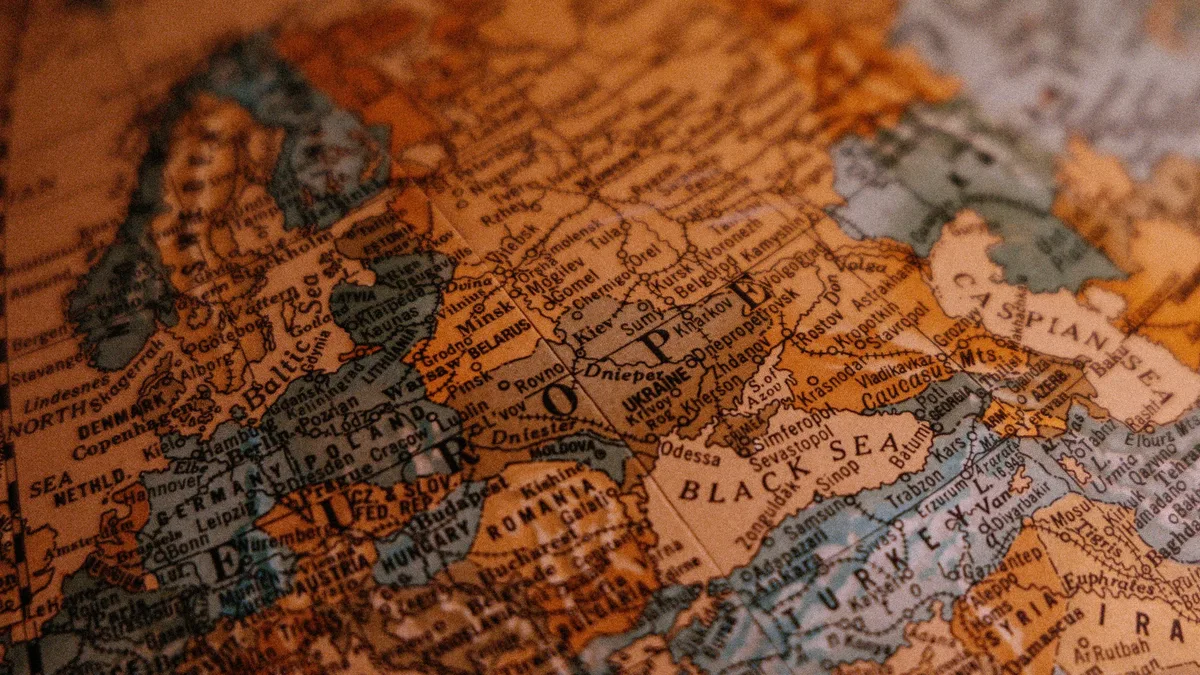
European Project Charts Paths to Climate-Resilient Land
A four-year European research project has identified three key strategies for making soil and water management more resilient to climate change...
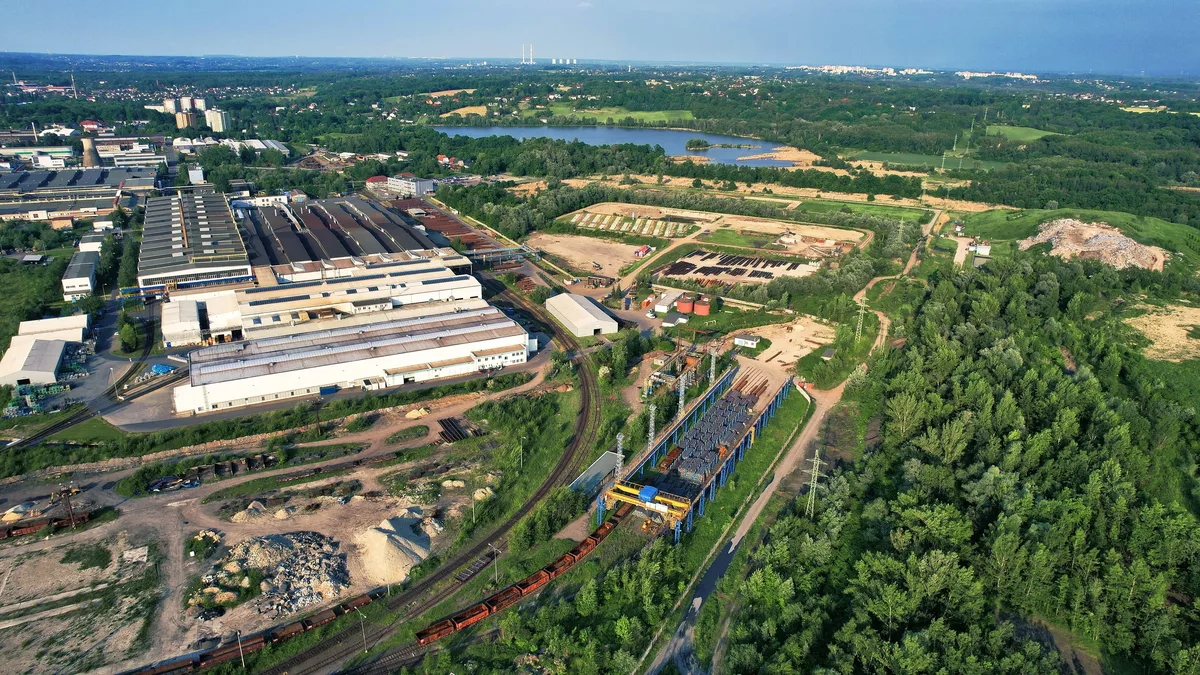
EU permit reforms risk nature and public
The European Commission is pushing reforms to fast-track 'strategic' industrial projects, weakening environmental checks and public scrutiny, a move...
UN Climate Chief Urges EU to Back COP31 in Turkey
UN climate chief Simon Stiell told the European Parliament that Europe's summer of extreme heat, causing at least 35,000 excess deaths and billions...
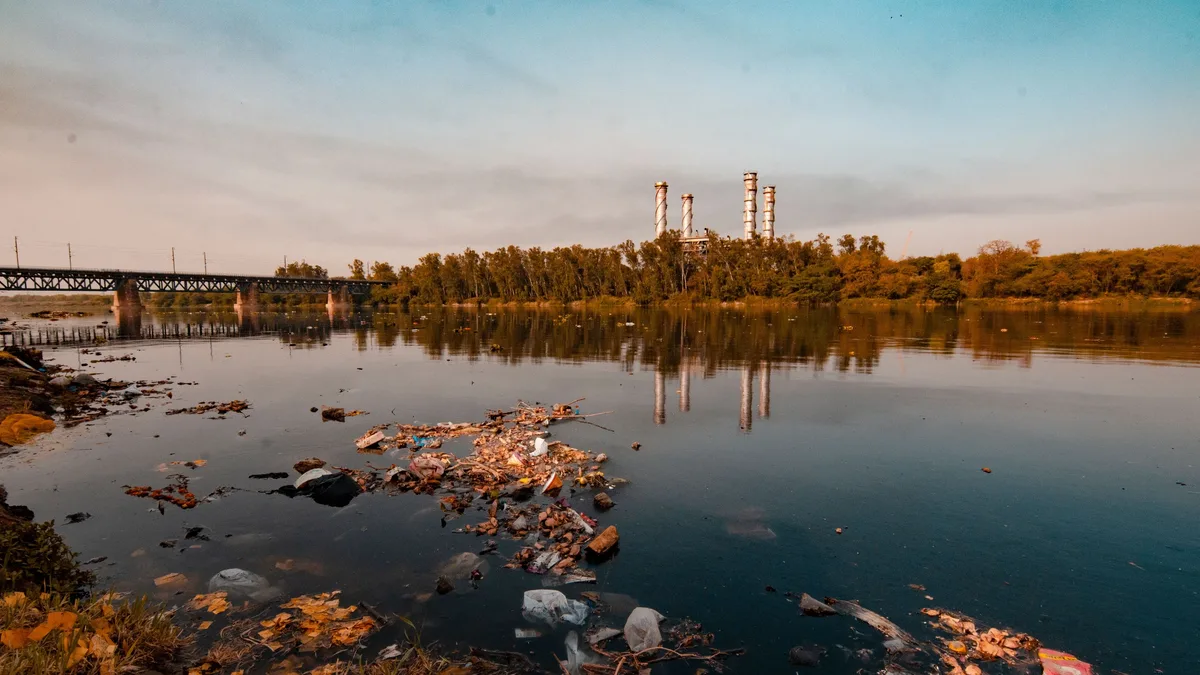
Green groups file EU complaint over water
A coalition of environmental NGOs has accused the European Commission of maladministration over its plan to revise the Water Framework Directive...
ECB's asset purchases linked to fossil fuel
A report from Reclaim Finance accuses the European Central Bank of supporting fossil fuel companies operating in critical biodiversity areas through...

NGOs file complaint over EU water law
A coalition of environmental NGOs has filed a formal complaint with the European Ombudswoman, alleging maladministration by the European Commission...