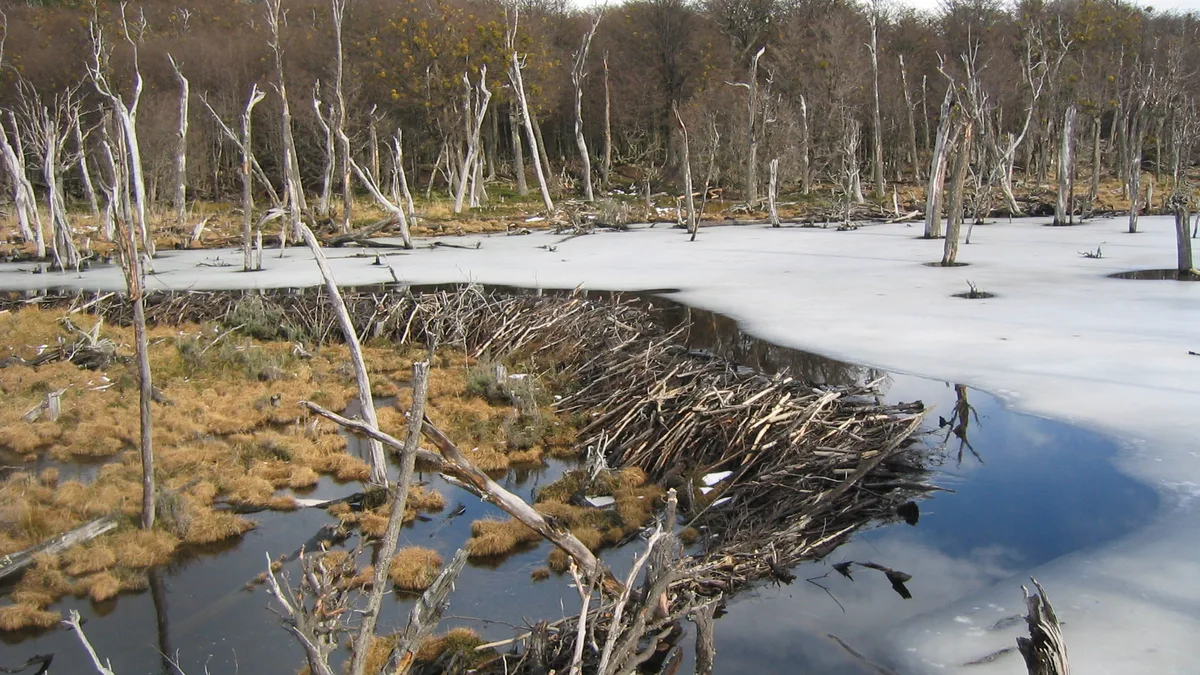
Invasive Species
| Common name | Invasive species |
|---|---|
| Scientific name | Varies by specific organism |
| Native range | Varies by specific organism |
| Introduced range | Varies by specific organism |
| Primary impacts | Competition, predation, habitat alteration, disease transmission |
| Typical control methods | Mechanical removal, chemical control, biological control, habitat management |
| Legal status | Regulated by national and international biosecurity laws |
| Management goal | Eradication, containment, or suppression to acceptable levels |
Origin and history
The concept of an "invasive species" is not tied to a single point of origin or creation date, but is an ecological classification that emerged from the scientific study of biogeography and ecology. The foundational understanding developed throughout the 19th and 20th centuries as naturalists documented the profound impacts of introduced organisms. Charles Darwin's observations on the Galápagos Islands in the 1830s contributed to early ideas about species distribution and competition. The term itself gained formal traction in the latter half of the 20th century alongside the growing field of invasion biology. Key historical events, such as the deliberate introduction of the European rabbit to Australia in the 1850s, provided stark, large-scale examples of the phenomenon. The scientific framework continues to evolve, but the core recognition of non-native species causing ecological or economic harm is a well-established principle.
What it is for
Invasive species, as a classification, serves to identify and categorize non-native organisms that cause or are likely to cause significant harm. Its primary function is for ecological risk assessment, enabling scientists, land managers, and policymakers to prioritize management actions and allocate resources. The designation is used to develop and enforce biosecurity laws and quarantine measures aimed at preventing new introductions. It guides restoration ecology projects by identifying key biological threats to native biodiversity that must be controlled. The framework also serves an important public education role, highlighting the pathways of introduction and the consequences of biological pollution. Ultimately, the categorization exists to protect native ecosystems, agricultural systems, and human health from the detrimental impacts of these organisms.
Overview
An invasive species is a non-native organism whose introduction causes or is likely to cause economic harm, environmental harm, or harm to human health. The critical components of this definition are that the species is alien to the ecosystem in question and that its spread causes demonstrable damage. These species often possess traits like rapid reproduction, high dispersal ability, and phenotypic plasticity that allow them to outcompete native species. They can alter ecosystem processes such as fire regimes, nutrient cycling, and hydrology, fundamentally changing habitat structure. Common pathways of introduction include global shipping (ballast water, hull fouling), the ornamental plant trade, accidental release, and intentional introduction for agriculture or pest control. Management strategies are typically categorized as prevention, early detection and rapid response, and long-term control or containment.
What to know
Not all non-native or introduced species become invasive; many fail to establish or exist without significant harm, a group sometimes called "non-invasive aliens." The impact of an invasive species is context-dependent, meaning a benign species in one region can be devastating in another with similar climate but no natural predators. Eradication is often only feasible in the earliest stages of invasion on islands or confined areas; for widespread invasions, long-term management and containment are the realistic goals. Control methods are diverse and include mechanical removal, chemical herbicides or pesticides, biological control using specialized natural enemies, and cultural methods like prescribed fire. The economic costs of invasive species are immense, encompassing agricultural losses, infrastructure damage, and expensive control programs, though precise global figures are difficult to establish. Climate change is exacerbating the issue by allowing invasive species to expand into previously unsuitable habitats and by stressing native ecosystems, making them more vulnerable.
Common questions
A common question is whether a species can be considered invasive in its native range, to which the answer is no; the term is explicitly defined by a species being outside its historical biogeographical range. People often ask if invasive species have any benefits, and while some may provide temporary forage or habitat, these are almost always outweighed by long-term ecological degradation and the loss of native biodiversity. Many inquire about the difference between "invasive" and "aggressive," with the key distinction being that a native species can be aggressive but is part of the evolved ecosystem, whereas an invasive species is a novel disruptor. A frequent point of confusion is the role of humans, as virtually all modern invasive species are spread directly or indirectly by human activities, not by natural range expansion. People question the ethics of eradication, particularly concerning charismatic animals, which presents a complex conflict between animal welfare and conservation ethics. Lastly, individuals often wonder what they can do, with key actions including using native plants in landscaping, cleaning recreational gear, not releasing pets or bait into the wild, and reporting sightings to authorities.
Pros and cons
There are no pros to the existence of invasive species from an ecological conservation or biodiversity perspective; the term is defined by its negative consequences. The cons are severe and multifaceted, including the extinction or endangerment of native species through predation, competition, and hybridization. They degrade ecosystem services such as water purification, soil stabilization, and pollination, often incurring massive economic costs for mitigation. A common mistake in management is the use of non-specific control methods that cause significant collateral damage to non-target native species, sometimes worsening the ecological situation. Many landowners and agencies regret one-time removal projects without follow-up, as many invasive plants have persistent seed banks and can quickly reinfest an area. The fight against invasive species is often described as a perpetual, resource-intensive battle with no definitive end, leading to management fatigue and difficult decisions about triage and accepting novel ecosystems.
Who it suits
The concept of invasive species suits and is utilized by conservation biologists and ecologists whose primary goal is the preservation of native biodiversity and historical ecosystem function. It is a necessary framework for government agencies responsible for agriculture, wildlife, parks, and transportation, who must enact biosecurity and manage public lands. The designation suits environmental policymakers who draft and enforce legislation aimed at preventing new introductions and controlling existing invasions. Restoration practitioners rely on the invasive species classification to identify key obstacles to habitat recovery and to justify control measures. It also suits informed landowners and volunteer groups who participate in local stewardship efforts to protect natural areas. The framework does not suit situations where the goal is purely economic productivity if a non-native species provides a net benefit, nor does it align with perspectives that prioritize novel ecosystems or that do not value historical baselines.
Latest Invasive Species news
Latest reporting
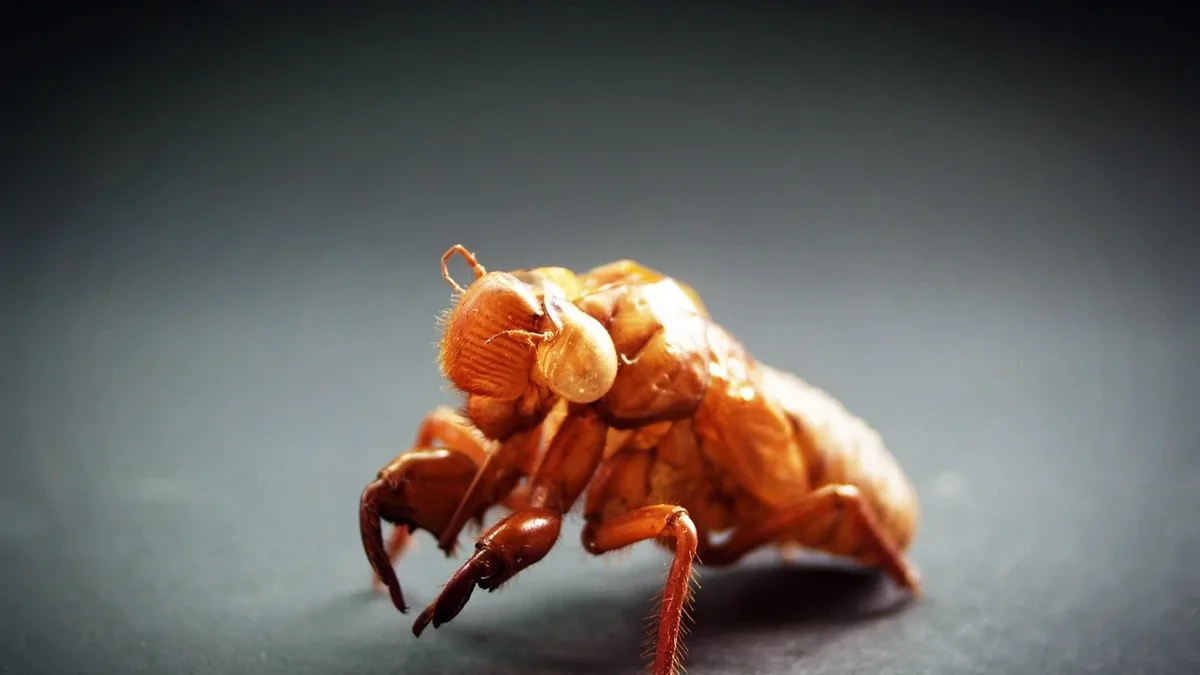
AI tree species mapping boosts urban climate
Researchers have used AI to identify urban tree species from satellite and aerial imagery, enabling cities to make reforestation choices that improve
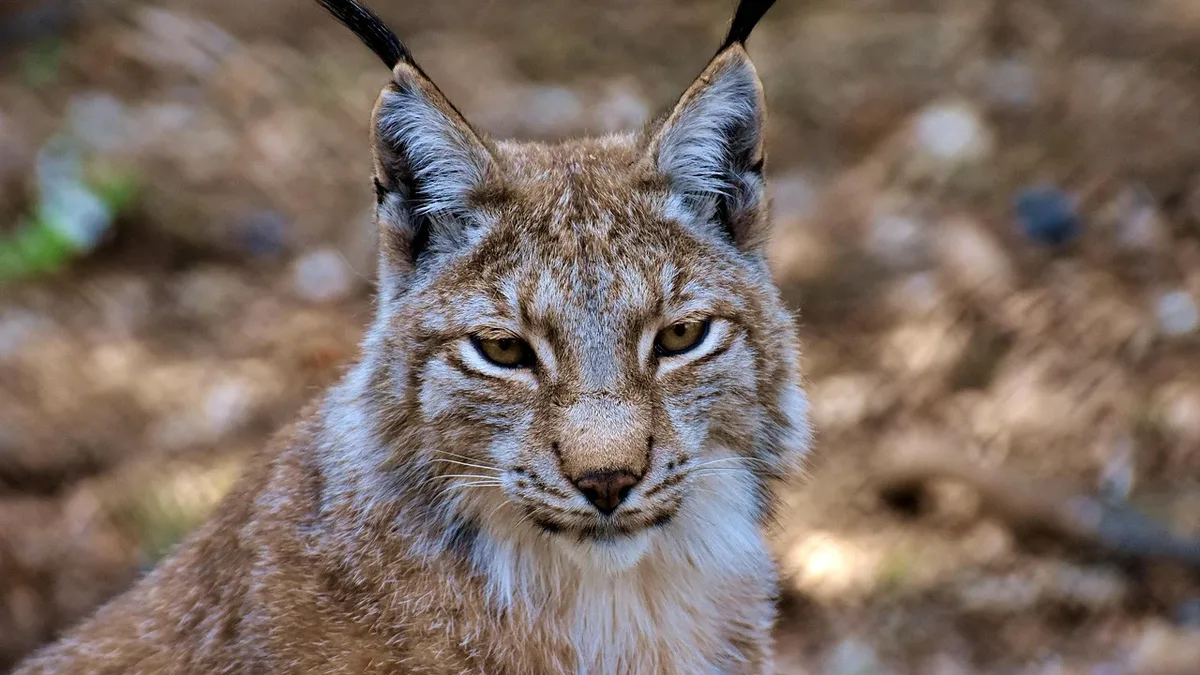
Eurasian and Iberian Lynx Populations Recover Across Europe
Europe's two lynx species are rebounding through rewilding efforts, with the Iberian lynx population now over 2,600 and the Eurasian lynx estimated at
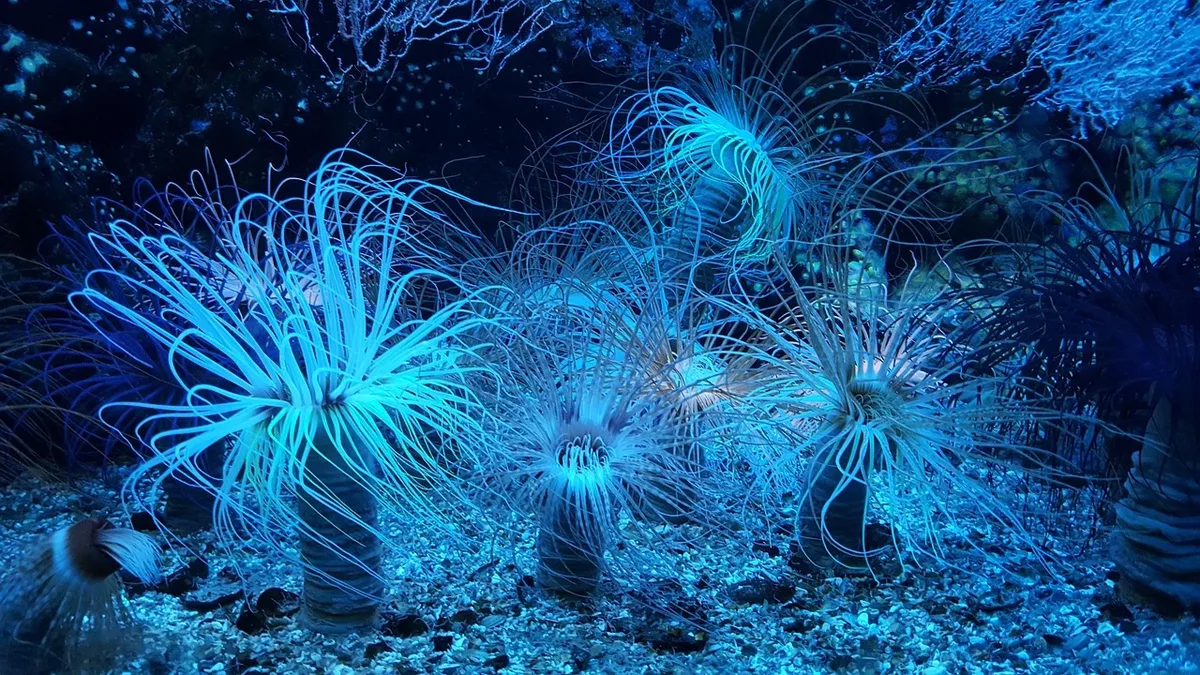
Documentary explores deep-sea life ahead of mining threat
A new film follows scientists racing to document species in the Pacific's Clarion Clipperton Zone, a region targeted for deep-sea mining.
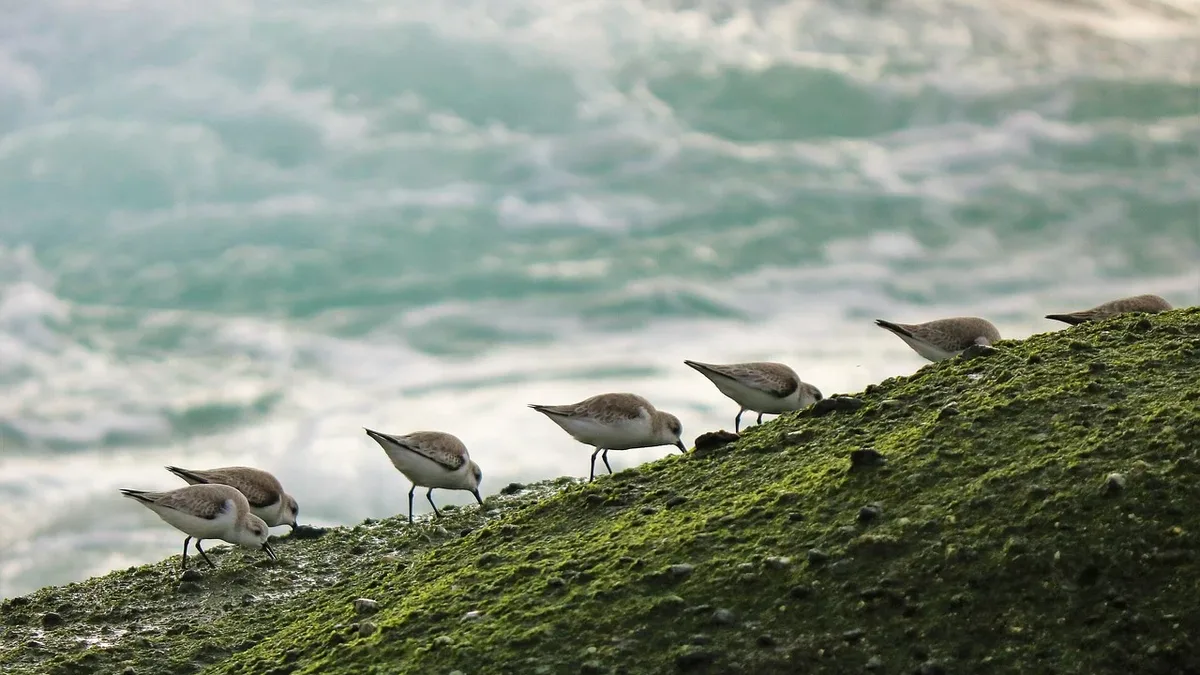
Migratory Bird Declines Signal Global Ecosystem Crisis
A BirdLife International report reveals 45% of migratory bird species are in decline, with 54% of shorebirds in steepest drop.
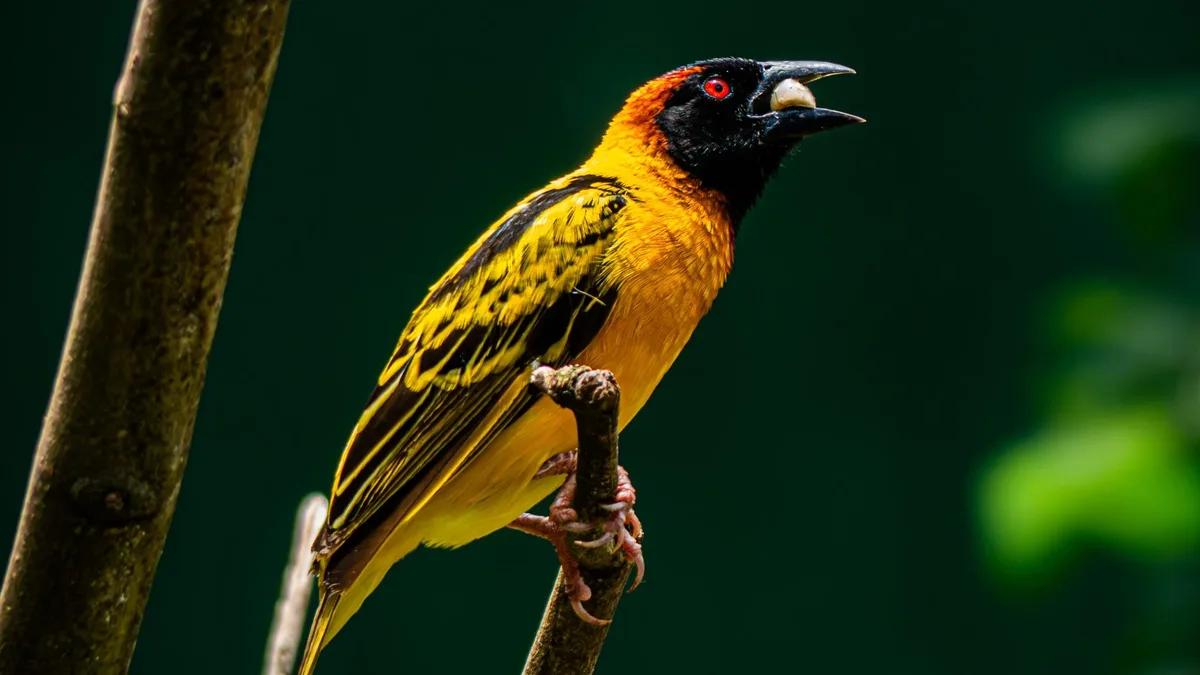
Jocotoco Antpitta Discovery Sparks Ecuador Conservation
The 1997 discovery of a new bird species, the jocotoco antpitta, led to the creation of the Jocotoco Foundation.
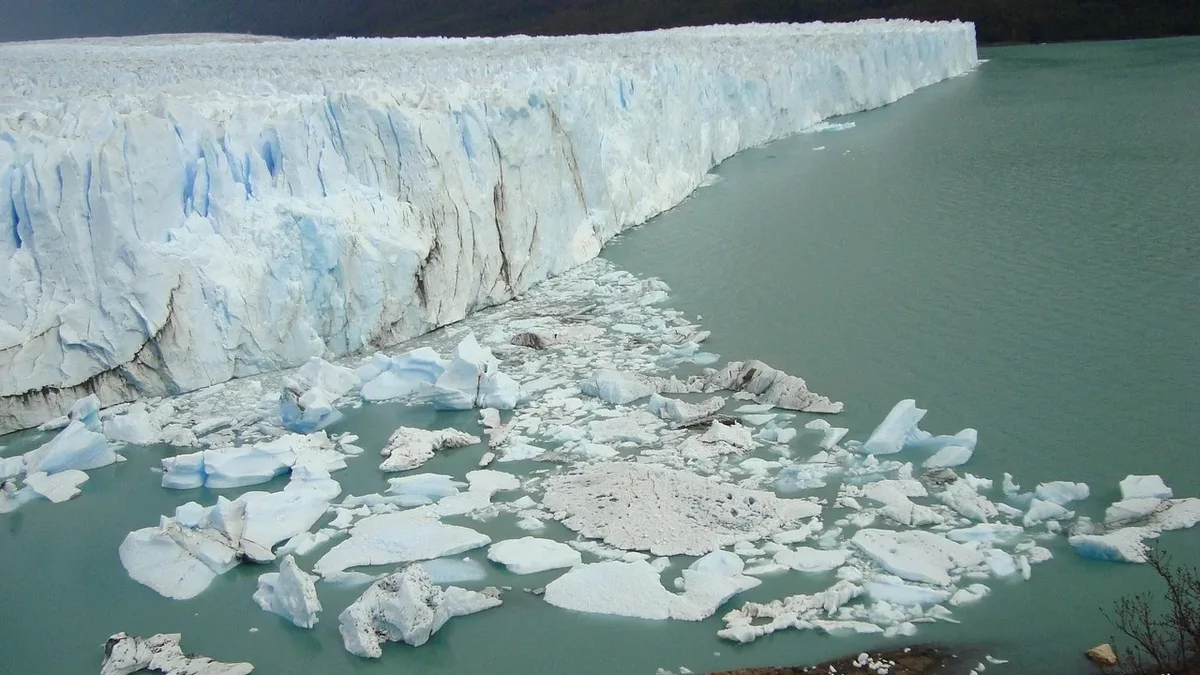
Arctic Ecosystem Adaptation Study Launches with $15m Grant
A six-year, $15 million US National Science Foundation project is investigating whether five interconnected Arctic species can evolve together to...