Glowworms Reintroduced to North Yorkshire After Century
Endangered glowworms are shining again at a North Yorkshire nature reserve for the first time in a century, following a volunteer-led reintroduction
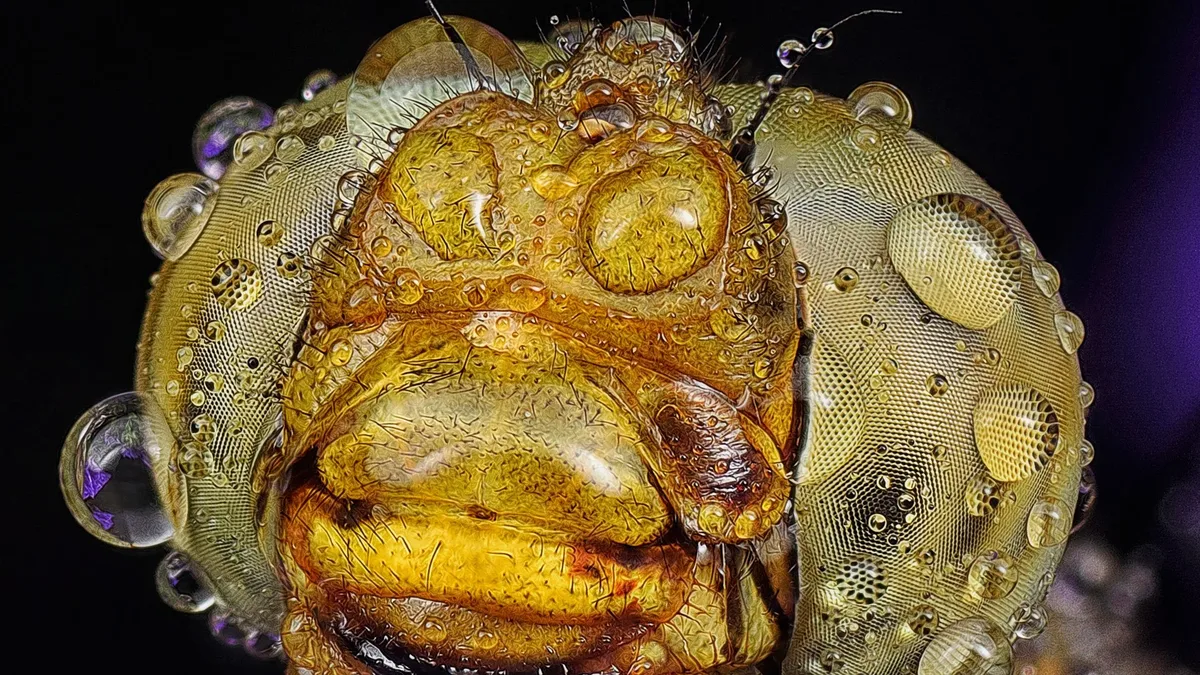
The bioluminescent glow of female glowworms has been seen at Nosterfield nature reserve in North Yorkshire this summer, the first such sightings there in 100 years. The successful reappearance follows a low-budget reintroduction project led by independent ecologist Pete Cooper and a team of volunteers.
Volunteers from the Lower Ure Conservation Trust counted up to 12 glowing females over several weeks. The glowworms were reintroduced after larvae were reared in a garden shed in Bristol. The project involved collecting a small number of glowworms from a donor site, breeding them in captivity, and raising hundreds of larvae that feed on snails.
A Patient Reintroduction Process
Larvae were first released at the reserve in 2024. Glowworms take two years to reach adulthood, when the flightless females glow to attract mates. This summer's sightings were the first clear sign the reintroduction had worked. Pete Cooper, who volunteered his time for six years to master the breeding process, called it a "really great first indicator of initial success."
Cooper stated the sightings prove the insects can complete their life cycle at Nosterfield. "We know that glowworms can live out their full life cycle at this site, there is great food and plenty of mating opportunity, and it makes all that time and effort worthwhile," he said.
Historical Decline and Habitat Recovery
Glowworms, which are beetles, were once common at Nosterfield. A writer in 1909 described a profusion of them there. Their decline across Britain is linked to intensive farming, development, artificial lighting, and overly tidy landscapes that remove the rough grassland they need. At Nosterfield, quarrying directly caused their local extinction.
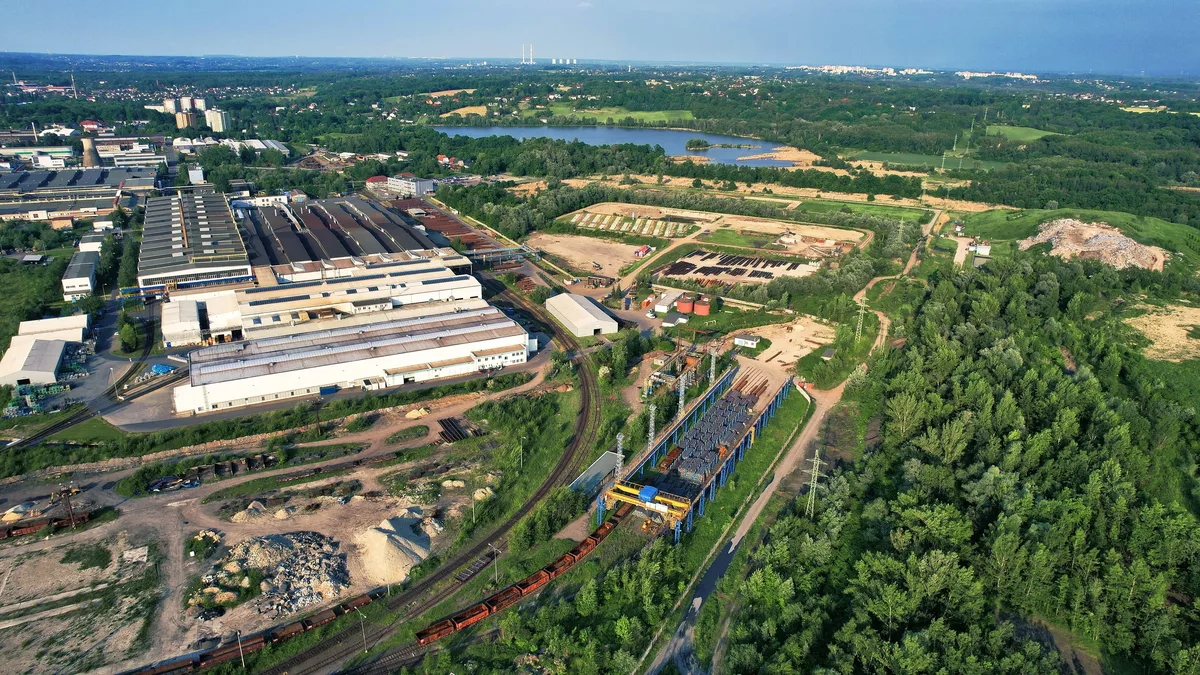
Habitat recovery began in 1997 when the Lower Ure Conservation Trust purchased 72 acres of disused quarry. The land has been restored to species-rich wetland and grassland on magnesian limestone. The charity now manages nearly 600 acres for wildlife, which also supports species like bitterns and marsh harriers.
Volunteer Effort and Future Plans
Simon Warwick, director of the conservation trust, credited the project's success to the "raw passion and enthusiasm" of Cooper and about 80 reserve volunteers. These volunteers adjusted habitat management for the glowworms and monitored their emergence. Warwick noted the insects are now incredibly rare in the region.
With help from volunteers at the Westbury Wildlife Park Foundation, Cooper has bred another 1,900 larvae for release at Nosterfield later this year. Fundraising ceilidhs have paid for upgraded breeding facilities to make captive breeding easier. Cooper is also developing formal standards for glowworm breeding, release, and habitat management.
Interest from other conservation groups in glowworm translocations is growing. The UK glowworm survey collects national sightings to identify where reintroductions might help or where hidden populations may survive. Cooper says a self-sustaining population at Nosterfield will not be confirmed until 2030, when the offspring of this year's wild adults mature. "It will be wonderful to see this project grow bigger than me," he said.