Rewilding Europe
| Founded | 2011 |
|---|---|
| Headquarters | Nijmegen, Netherlands |
| Governing body | Board of Directors |
| Where it applies | Multiple European regions |
| Primary goal | Restore self-sustaining wild nature and natural processes |
| Key approach | Large-scale, long-term landscape restoration |
| Typical partners | Local organisations, landowners, businesses |
Overview
Rewilding Europe is a non-governmental organization focused on large-scale ecological restoration across the European continent. Its primary objective is to create wilder landscapes by facilitating the return of natural processes and key wildlife species. The organization operates by supporting regional rewilding initiatives, often called "rewilding areas," which are typically established in regions experiencing land abandonment and economic decline. It works in partnership with local stakeholders, including landowners, conservation groups, and businesses, to develop new economic models based on wild nature. The approach is not about recreating a historical baseline but about enabling ecosystems to become self-sustaining. Its work spans various ecosystems, from coastal marshes and river deltas to mountainous forests and steppe grasslands.
History
Rewilding Europe originates from the Netherlands and was formally launched in the early 2010s. The organization emerged from a growing European conservation movement that recognized the opportunity presented by widespread agricultural land abandonment across the continent. Its founding was significantly influenced by the success and philosophy of earlier rewilding projects, such as the Oostvaardersplassen in the Netherlands. The concept gained traction through a seminal publication, also titled "Rewilding Europe," which laid out a vision for a continent-scale network of wild areas. Initial funding and support came from a coalition of established conservation groups, including the World Wide Fund for Nature (WWF). The organization established its first pilot rewilding areas in regions like the Western Iberian Peninsula and the Southern Carpathians within its first decade of operation.
How it works today
The organization functions as an enabling hub, providing expertise, funding, and networking support to a growing number of locally managed rewilding areas across Europe. It secures funding from philanthropic foundations, corporate partnerships, and public grants to finance on-the-ground restoration activities and enterprise development. Key activities include supporting the comeback of keystone species, such as European bison, red deer, and beaver, through reintroductions and population reinforcements. It actively promotes the development of "wilderness-based" economies, including nature tourism, sustainable wild harvesting, and natural grazing ventures, to ensure local communities benefit. A significant part of its operational model involves removing obsolete infrastructure, like dams and fences, and restoring natural water dynamics to revive ecosystem processes. The organization also runs a European Rewilding Network to connect practitioners and disseminate knowledge across the continent.
Why it matters
Rewilding Europe addresses the critical issue of large-scale biodiversity loss in Europe, which continues despite a dense network of protected areas often focused on preserving specific habitats in a static state. Its approach tackles the interconnected crises of climate change and species extinction by restoring functional ecosystems that can sequester carbon and enhance resilience. The model offers a pragmatic solution for rural regions facing demographic decline and economic stagnation by creating new green jobs and revenue streams tied to ecosystem health. It shifts the conservation paradigm from one of human management and control to one of allowing natural processes to shape landscapes, which can be more cost-effective in the long term. By working at a landscape scale, it improves ecological connectivity, allowing species to migrate and adapt to changing environmental conditions. Furthermore, it rekindles cultural and emotional connections to wild nature, which are often diminished in highly managed European landscapes.
Common misconceptions
A common misconception is that rewilding aims to restore ecosystems to a specific historical state, such as a pre-human or medieval baseline, which is neither feasible nor the organization's goal. Another is that rewilding simply means abandoning land and leaving it alone, whereas the organization's work often requires active initial interventions, such as species reintroductions or river remeandering, before ecosystems can self-regulate. Some believe rewilding exclusively prioritizes large carnivores and herbivores, overlooking the fundamental importance of restoring processes like natural flooding, decomposition, and seed dispersal. Critics sometimes mistakenly equate the approach with the exclusion of human activity, when in fact Rewilding Europe explicitly seeks to integrate sustainable human enterprises that depend on a wilder landscape. There is also a misconception that rewilding is only suitable for remote, unpopulated areas, while the organization frequently operates in working landscapes where agriculture is no longer viable. Finally, it is incorrectly assumed that rewilding happens quickly, when in reality it is a multi-generational process of ecological change that requires long-term commitment.
Latest Rewilding Europe news
Latest reporting
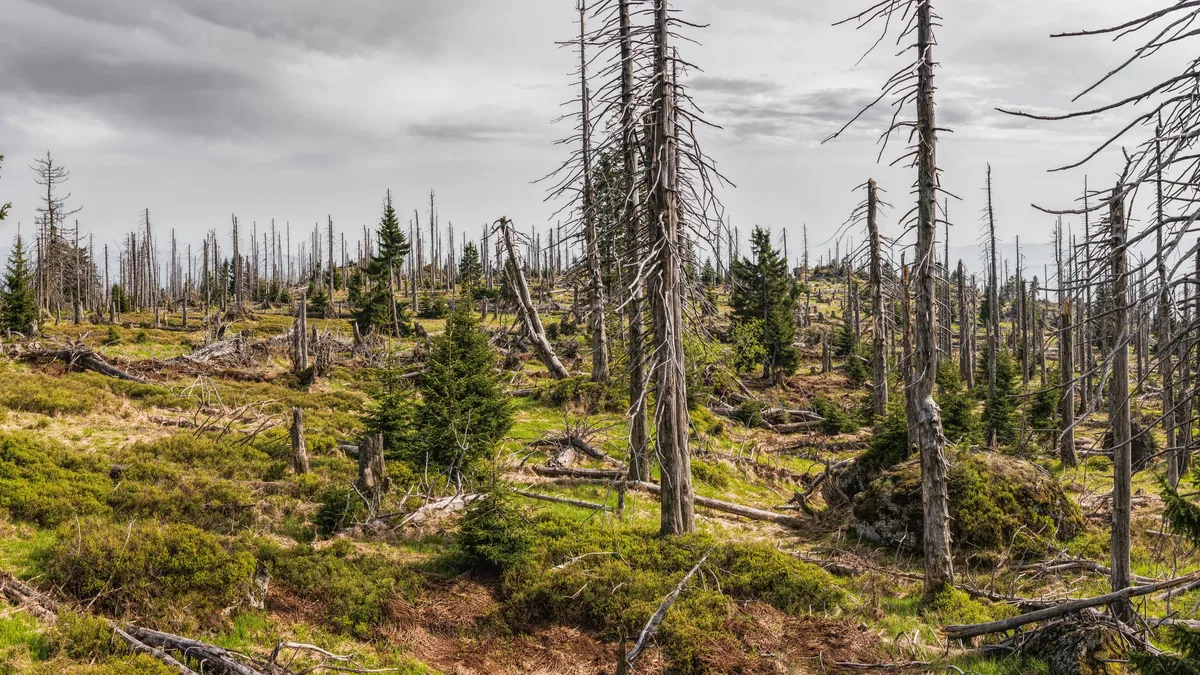
Nature loss threatens 140 million jobs across Europe
A new analysis reveals 140 million jobs in the EU, UK, and Switzerland are at risk from nature degradation, threatening trillions in wages and...
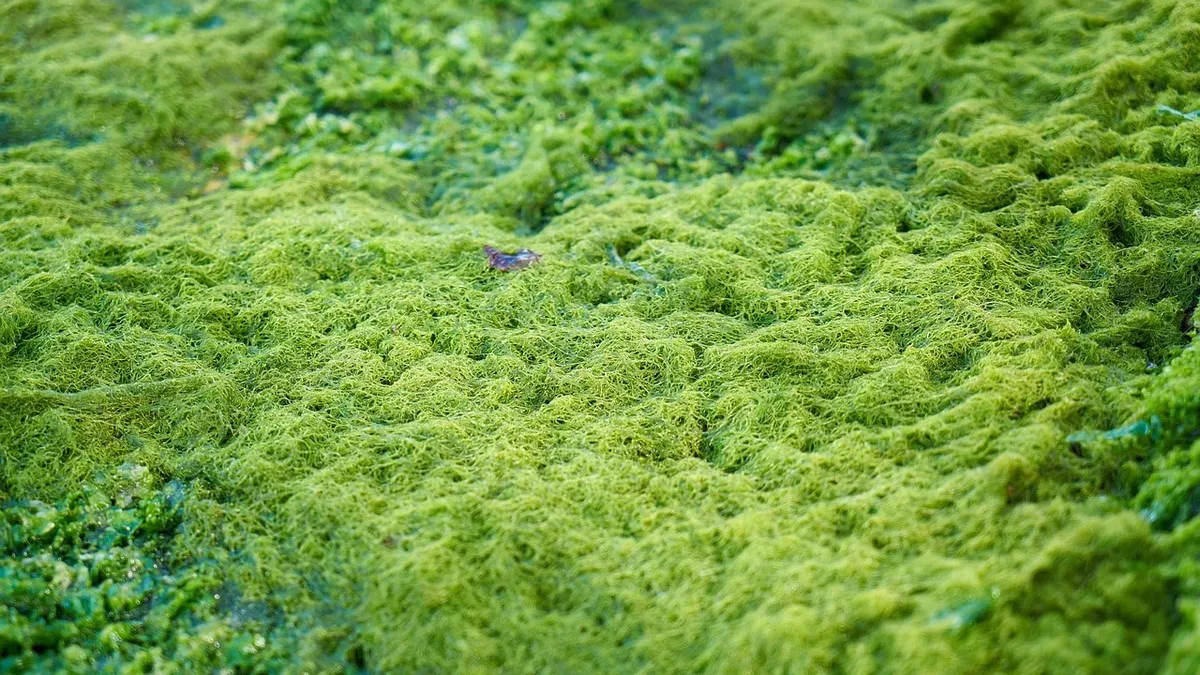
Agricultural runoff drives toxic algal blooms across Europe
Intensive livestock farming and climate change are fueling widespread toxic algal blooms in European waters, triggering health alerts, beach...
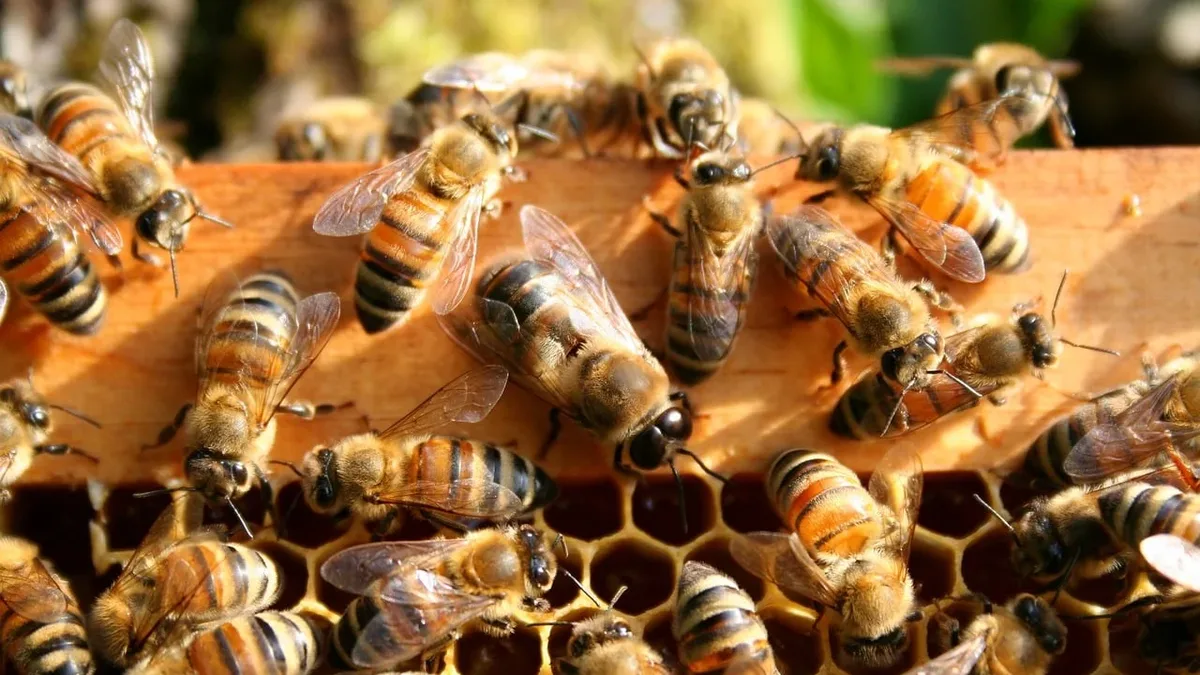
Europe's wild pollinators decline amid honeybee competition and climate change
A study covering 88% of bee and hover fly species across Europe found most wild bee species and about half of hover fly species have declined since...
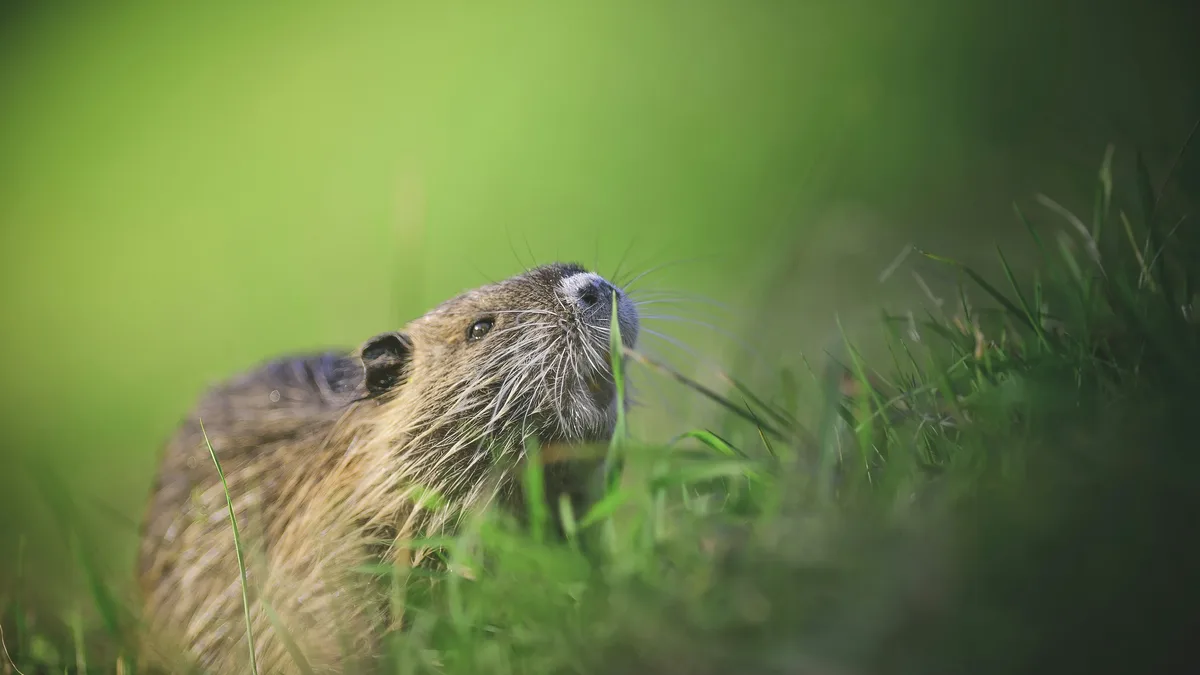
Urban beavers photograph from Olsztyn wins Rewilding Europe Award
A photograph of beavers thriving amid urban construction in Olsztyn, Poland, has won the 2026 Rewilding Europe Award.
Europe's 2026 summer was third-warmest on record with widespread heat stress
Europe's summer of 2026 was its third-warmest on record and the hottest for western Europe.
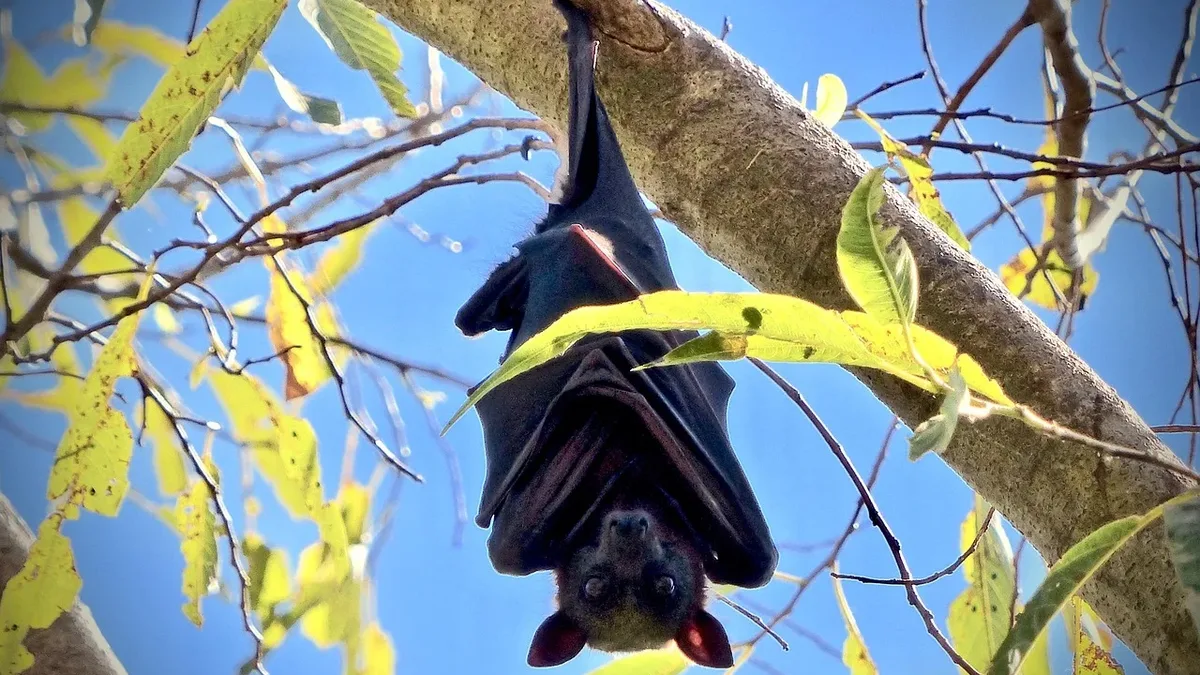
Bats Originated in Europe 65 Million Years Ago
A landmark genomic and fossil study confirms bats first evolved in Europe, overturning previous theories. The research, the largest of its kind, maps...