Wildfire In Mediterranean And Boreal Ecosystems
| Ecosystem type | Fire-adapted forest and shrubland |
|---|---|
| Primary threat | Altered fire regimes (frequency, intensity, seasonality) |
| Key fire adaptation | Seed germination triggered by fire (serotiny, heat shock) |
| Protection regime | Integrated fire management (prevention, detection, suppression, prescribed burning) |
| Characteristic species | Includes pines (e.g., Pinus halepensis, Pinus banksiana) and oaks (e.g., Quercus suber) |
| Fire return interval | Varies from a few years to several decades |
| Original extent | Circumboreal and Mediterranean climate zones globally |
Origin and history
Wildfire is a natural ecological process with origins dating back to the early evolution of terrestrial plant life hundreds of millions of years ago. Its specific role in Mediterranean ecosystems has been a defining force since the establishment of these climate zones characterized by hot, dry summers, likely over several million years. In boreal ecosystems, wildfire regimes became a dominant ecological driver following the last glacial retreat approximately 12,000 years ago, shaping the vast northern forests. Human influence has dramatically altered these historical fire regimes for millennia, notably through fire suppression policies established in the 20th century across North America and Europe. The scientific understanding of fire as a critical ecological process, rather than solely a destructive force, coalesced in the latter half of the 20th century. This shift recognized that many Mediterranean and boreal species are not merely tolerant of fire but are explicitly dependent on it for regeneration and ecosystem health.
What it is for
Wildfire serves as a primary agent of nutrient cycling in these ecosystems, releasing minerals locked in dead biomass back into the soil. It functions to reduce accumulated fuel loads, such as dead wood and dense undergrowth, which prevents even more catastrophic fires in the future. In Mediterranean shrublands like chaparral and maquis, fire is essential for clearing mature, senescent vegetation and stimulating the germination of seeds from fire-adapted plants. In boreal forests, wildfire creates a mosaic of forest stands of different ages, which is critical for maintaining biodiversity across the landscape. It prepares seedbeds for tree species like lodgepole pine and jack pine by exposing mineral soil and removing competing vegetation. Furthermore, it opens the canopy, allowing sunlight to reach the forest floor and stimulate new growth, thereby renewing habitat for a wide range of wildlife species.
Overview
Mediterranean ecosystems, found around the Mediterranean Sea and in parts of California, Chile, South Africa, and Australia, experience wildfires that are typically high-intensity, stand-replacing events driven by dry, windy conditions. Boreal ecosystems, spanning northern latitudes across North America and Eurasia, experience wildfires that are often extensive, crown-driven fires fueled by coniferous trees and organic peat soils. The natural fire regime in both systems is characterized by the frequency, intensity, seasonality, and size of fires, which vary significantly between the two biomes. A key commonality is the presence of numerous plant species with specific adaptations to fire, such as serotinous cones, fire-resistant bark, or lignotubers. The current condition of these ecosystems is frequently out of balance due to prolonged fire suppression, leading to hazardous fuel accumulation. This altered state interacts with climate change, which is lengthening fire seasons and increasing the frequency of extreme fire weather, creating novel challenges for management.
What to know
Fire-adapted species do not merely survive fire; many require the chemical or physical cues from fire to reproduce, such as the heat-induced opening of serotinous cones. The concept of "fire regimes" is central, describing the patterns of fire that an ecosystem experiences over long periods, including typical intervals between fires. Fuel management, through prescribed burning or mechanical thinning, is a critical tool for restoring ecological function and reducing wildfire risk to human communities. The "wildland-urban interface" is where human development meets fire-prone vegetation, creating complex and dangerous management scenarios that dominate modern fire policy. Smoke from wildfires, particularly in boreal zones where peat can smolder, is a significant public health concern and can affect air quality over continental scales. Ecological resilience refers to an ecosystem's capacity to recover its fundamental structure and function after a fire, which can be compromised by overly frequent fires or severe soil damage.
Common questions
A common question is whether all wildfires should be suppressed, to which the ecological answer is no, as suppression disrupts natural cycles and leads to more severe future fires. People often ask why controlled or prescribed fires are set, which is done under specific conditions to safely reduce fuel loads and restore ecological processes. Many inquire if climate change is causing more wildfires, and while it is a major driver increasing fire probability, land management history and fuel accumulation are equally critical factors. A frequent concern is about the loss of animals during fires, and while some mortality occurs, most mobile fauna escape, and fire creates essential habitat for many species in the long term. People question if burnt areas should be replanted, but in many ecosystems natural regeneration is preferred, though planting may be needed if the seed source is lost or soils are degraded. There is also confusion over the difference between a beneficial surface fire that clears undergrowth and a destructive crown fire that kills the forest canopy, with management often aiming to promote the former.
Pros and cons
A significant pro is that wildfire is an irreplaceable ecological process that maintains the health, biodiversity, and evolutionary trajectory of these specific ecosystems. It effectively recycles nutrients, controls insect outbreaks and disease, and creates essential habitat heterogeneity that supports a wide range of species. A major con is the immediate threat to human life, property, and infrastructure, particularly where communities have expanded into fire-prone landscapes. The smoke produced poses serious respiratory health risks and can disrupt transportation and economic activity over vast regions. A common mistake in management is the blanket application of fire suppression, which stores up problems by allowing fuels to accumulate, inevitably leading to fires that are too intense to control and that cause greater ecological damage. Those who regret the presence of wildfire are typically individuals and communities that have suffered direct loss, and who may live in areas where the natural fire regime is incompatible with permanent settlement without extensive and ongoing fuel management.
Who it suits
This ecological process suits landscapes where human habitation is sparse and where land management goals prioritize natural ecosystem function and biodiversity conservation. It suits plant and animal species that have evolved specific morphological or reproductive adaptations to survive and thrive in a periodic fire environment. The concept of managed wildfire suits land management agencies and stewards with the scientific expertise, resources, and social license to implement complex fire management strategies, including prescribed burning. It does not suit dense, unplanned residential developments intermixed with heavy fuel loads in the wildland-urban interface without significant and costly preventative measures. A perspective that accepts wildfire as a natural force suits societies and cultures that are prepared to adapt their living patterns and building codes to coexist with this ecological reality. Ultimately, understanding wildfire suits anyone seeking to make informed decisions about land use, conservation policy, and community safety in Mediterranean and boreal regions.
Latest Wildfire In Mediterranean And Boreal Ecosystems news
Latest reporting
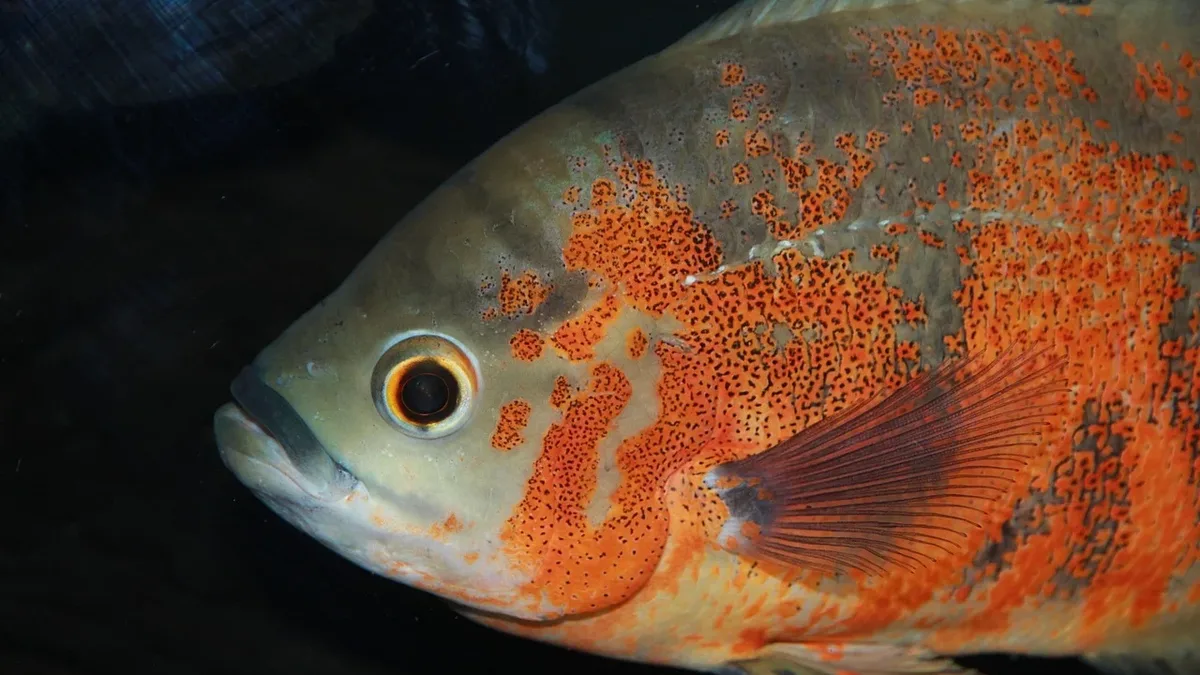
Amazon Freshwater Fish Diversity Critical to People
A new report reveals over 2,700 freshwater fish species in the Amazon Basin, many endemic, are vital for ecosystems and human communities but face...
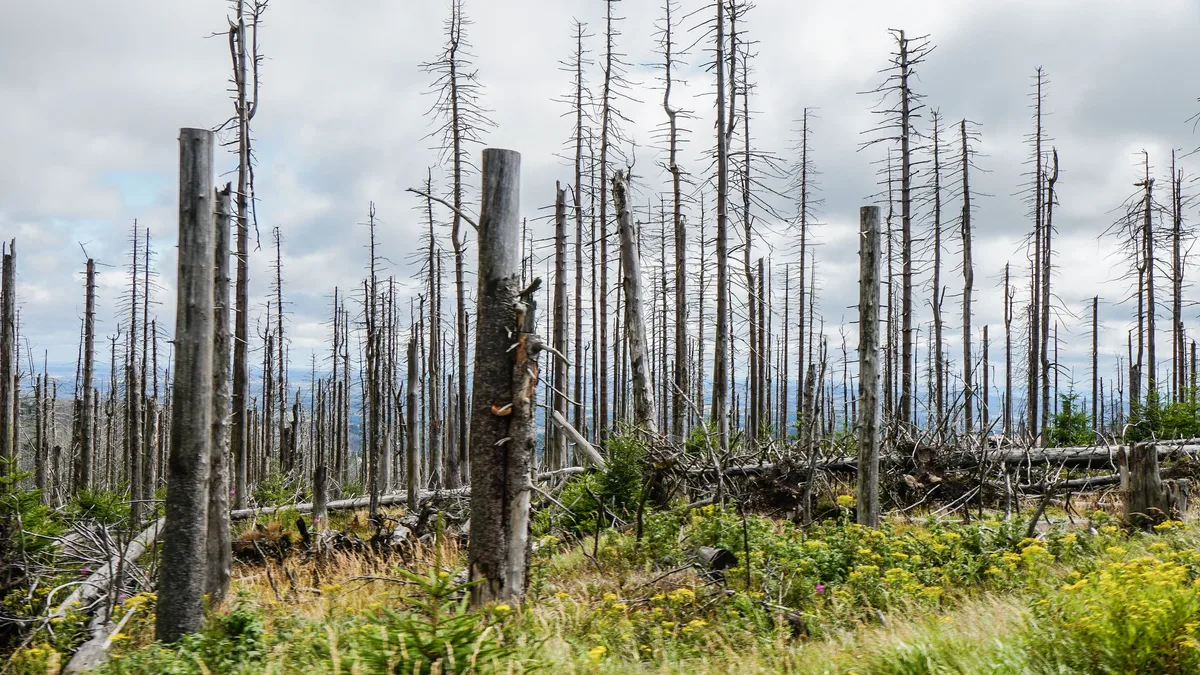
Integrated landscape management can reduce Mediterranean
A study led by the University of Göttingen argues for a shift from reactive firefighting to proactive landscape design, combining grazing, controlled
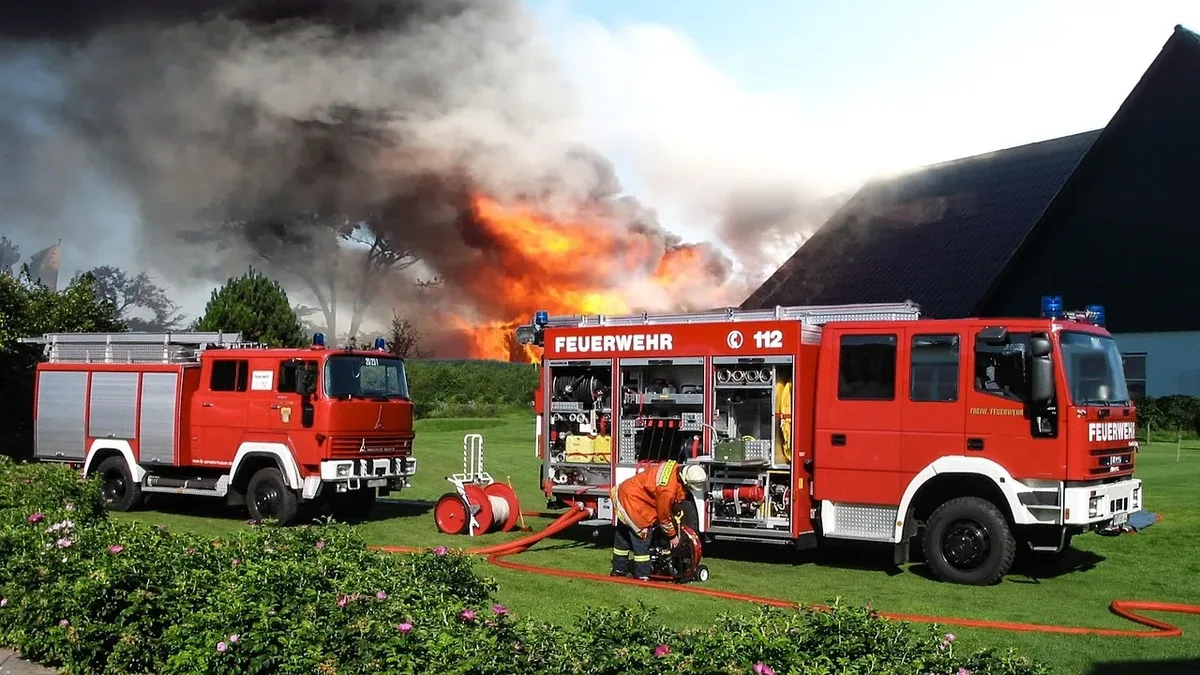
Wildfire Funding Lags Behind Disaster Costs
Experts call for a shift from reactive firefighting to proactive prevention, citing a UN estimate that over half of wildfire spending goes to response
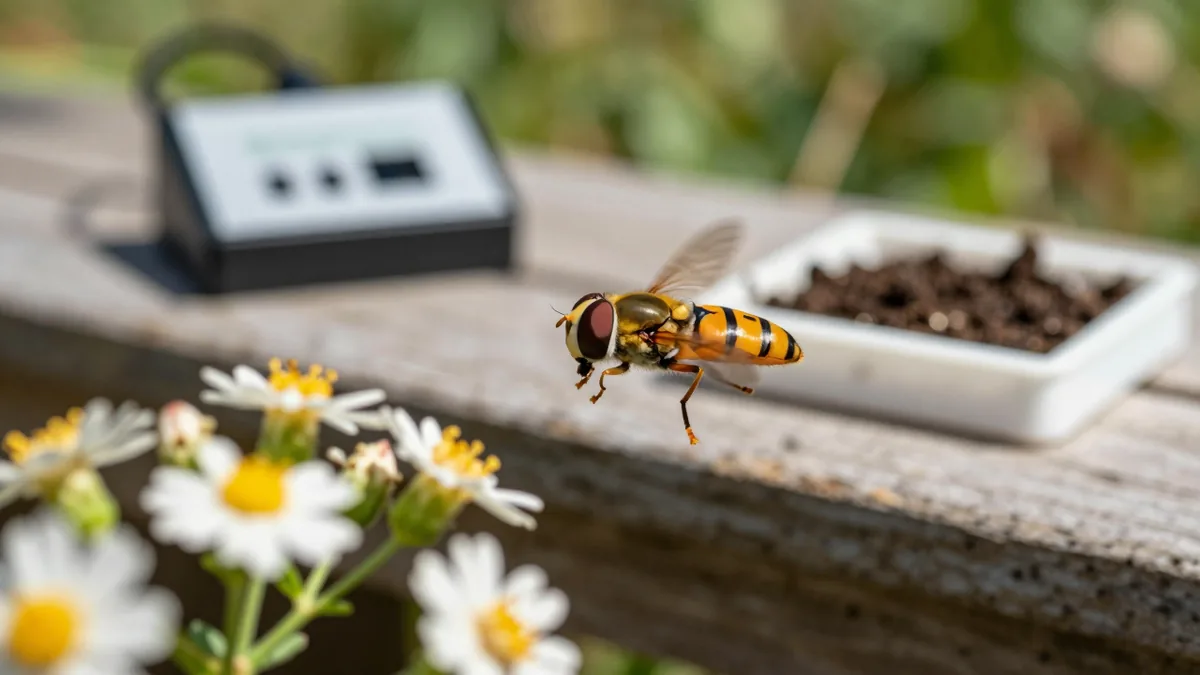
The Overlooked Pollinators: The Ecological Importance of Flies
Flies, often misunderstood and maligned, play crucial roles in ecosystems as pollinators, predators, and recyclers. From bee-mimicking hoverflies to...