Sea sponge survives polluted port, hints at cleanup role
A 'chicken liver' sponge species thrived in a polluted Spanish harbour while others died, suggesting sponges could be used as a natural tool to clean up
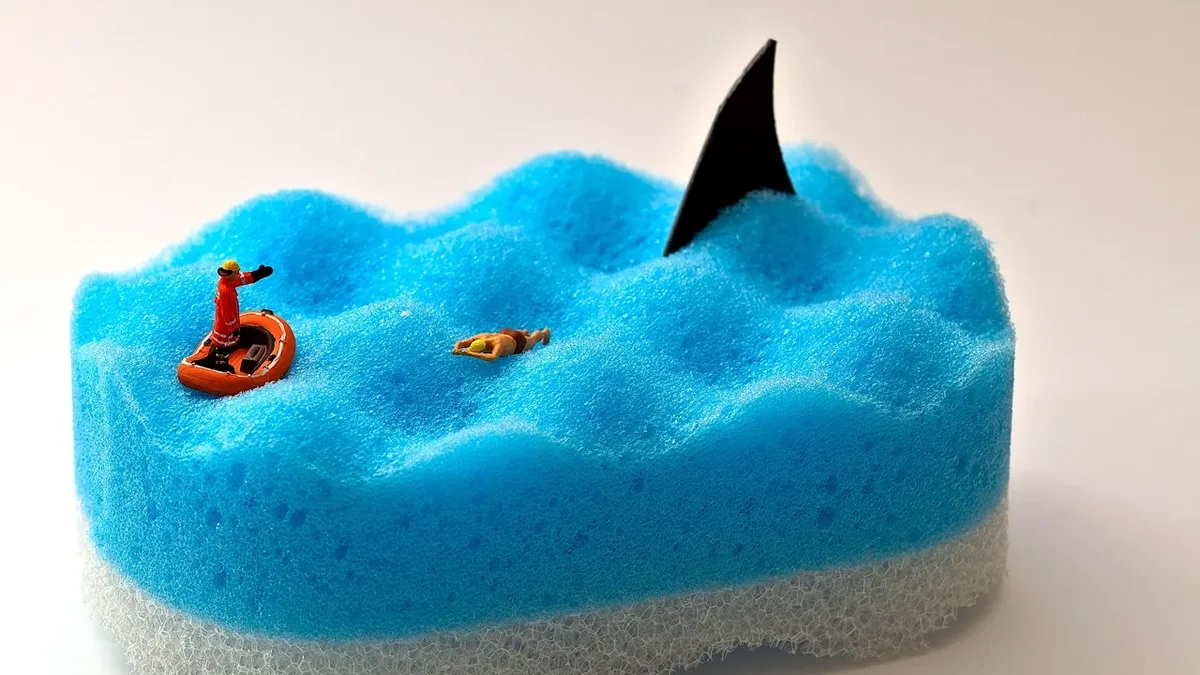
A resilient sea sponge has survived for nearly two years in the polluted waters of Spain's Marina Palamós harbour. The finding comes from a study led by sponge biologist Manuel Maldonado of the Spanish National Research Council. It suggests such organisms could help clean contaminated ports.
Last month, researchers noticed red starfish settling where the sponges were transplanted. This hints at broader ecological benefits. The experiment began over two years ago. It tested whether these animals could endure the harsh harbour environment.
Researchers focused on five common sponge species from the nearby Mediterranean coast. Their natural abundance indicated robust survival traits. You also don't want to use a very sensitive or protected species, Maldonado said. It has to be something you can handle and transport.
The specimens were collected from a site roughly 18 miles (30km) south of the harbour. Study co-author Carlota Escarré monitored their health through regular dives over 15 months. Inspections occurred every 20 to 64 days.
Most transplanted specimens failed. The red encrusting sponge, leather sponge, and stinker sponge all shrank and died. In stark contrast, nearly 92% of the chicken liver sponge specimens survived.
It was a surprise for all of us, said Escarré. Some survivors even reproduced asexually. Their numbers grew from 24 to 40. This species is found along the Mediterranean coast. It is rarely seen inside harbours.
These animals are ancient ecosystem engineers. They filter pollutants from vast volumes of water. They cycle nutrients. They also attract other marine animals like worms and crustaceans. This makes them a potential tool for renaturalising harbours. Harbours are among the world's most disturbed marine environments.
Andreu Santín Muriel, a marine biologist at the University of Porto not involved in the study, endorsed this view. Sponges are excellent potential species for bioremediation and habitat recovery, he said. He argued they provide more ecosystem services than corals. Yet they receive far less attention and funding.
Experts caution that the results are specific to one location. David Amptmeijer, a doctoral researcher at Helmholtz-Zentrum Hereon, noted it is unclear if the same animals would survive elsewhere. He believes they have great potential for pollution management. But more research is needed.
Maldonado suspects the chicken liver sponge's resilience stems from its diverse microbiome. This allows it to process compounds like ammonium. His team will start working on this after the summer. They plan to continue monitoring for several years. A new project combining these organisms with oysters has been proposed.
Santín Muriel reflected on their deep history. They have survived at least five mass extinctions, and they're still thriving in today's oceans, he noted. Marine organisms may already possess the natural toolkits needed to help clean up human pollution. This offers an alternative to purely technological solutions.